
Ryukyuan people: history, language, culture, and contemporary issues
Indigenous inhabitants of the Ryūkyū Islands with distinct languages, history as the Ryukyu Kingdom, rich cultural traditions (music, textiles, religion) and contemporary concerns over language loss and identity.
The Ryukyuan people are the indigenous inhabitants of the Ryūkyū Islands, a chain stretching from Kyushu to Taiwan. They are culturally and linguistically distinct from the main islands of Japan, speaking a group of related Ryukyuan languages and maintaining traditions developed under the independent Ryukyu Kingdom. Different modern names and spellings reflect the variety of local identities: for example, Okinawan and Japanese usages are both seen in descriptions of the population, while the islands themselves are commonly referred to as the Ryukyu Islands and are politically part of Japan.
Image gallery
9 Images




Languages
Ryukyuan languages form a branch of the Japonic family that is separate from mainland Japanese. Major varieties include Amami, Okinawan, Miyako, Yaeyama and Yonaguni; each has multiple local dialects. These languages are classified as endangered by UNESCO and face heavy pressure from standard Japanese due to schooling, migration and media. Community efforts, documentation projects and local schooling initiatives aim to support revitalization.
History
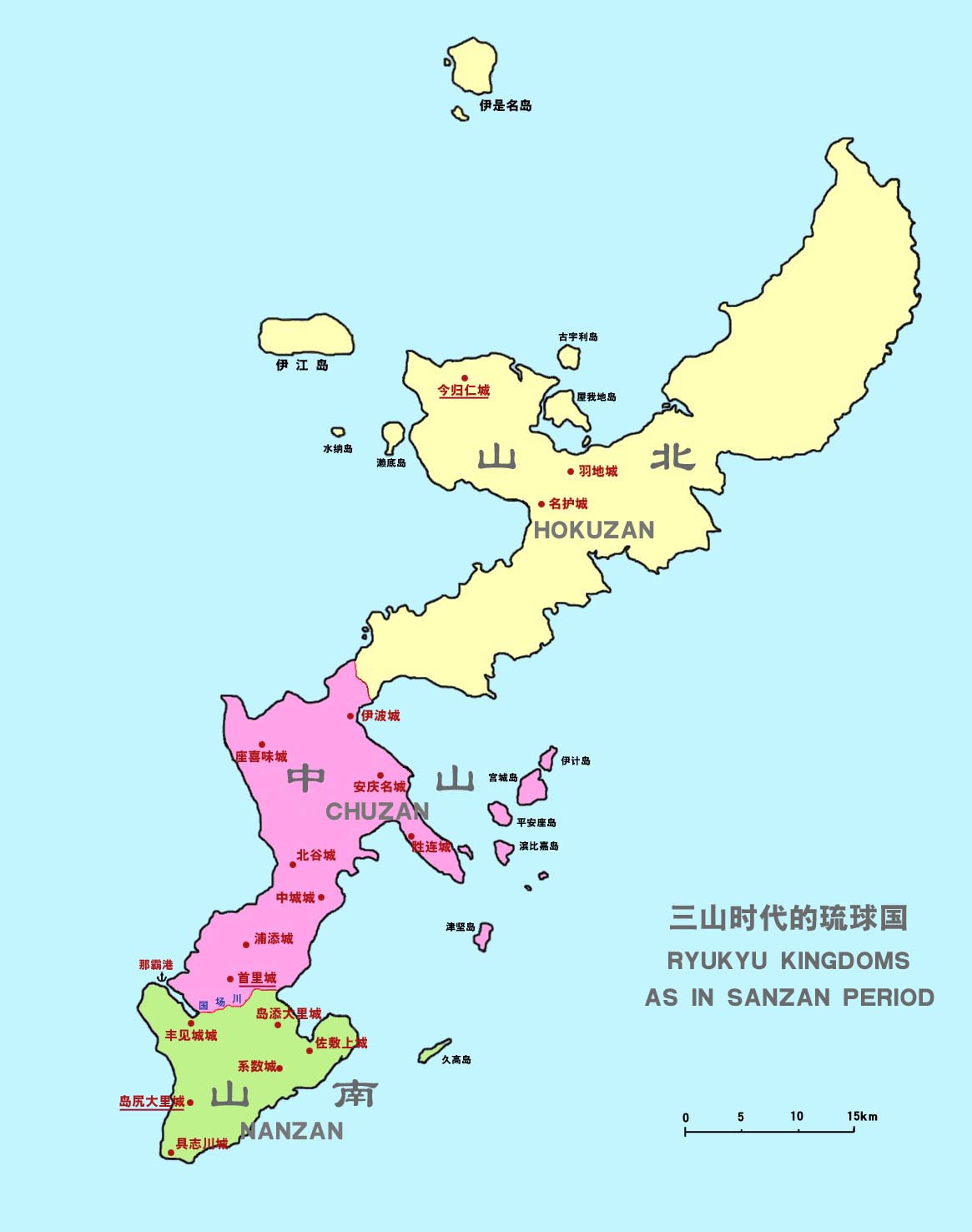
From the 15th to 19th centuries the Ryukyu Kingdom operated as an independent polity engaged in maritime trade across East and Southeast Asia, maintaining tributary relations with Ming and Qing China. In 1609 the Satsuma domain of Japan exerted control, and the kingdom was formally annexed by the Japanese state in 1879. The islands suffered severe damage during the Battle of Okinawa in World War II and were under U.S. administration until their reversion to Japan in 1972. These events shaped modern political and social dynamics.
Culture and society
Ryukyuan culture is expressed in music (notably the three-stringed sanshin), distinct dance forms, textile arts such as bingata, and pottery traditions like Tsuboya ware. Indigenous religion emphasizes ancestor veneration and nature spirits; women historically held prominent religious roles as ritual specialists. Martial arts with roots in the islands, including early forms that evolved into karate, are another notable contribution to wider culture.
Contemporary issues
Today Ryukyuans balance cultural preservation with integration into broader Japanese society. Key concerns include language loss, the environmental and social impacts of military bases especially in Okinawa, and ongoing debates over recognition and minority rights. Diaspora communities in mainland Japan, Hawaii, the Americas and elsewhere maintain cultural associations and festivals that support identity and heritage.
Notable cultural elements
- Music: sanshin and folk songs
- Dance: traditional ceremonial and festival dances
- Textiles: bingata dyeing techniques
- Martial arts: early Ryukyuan practices linked to karate
Scholars, cultural practitioners and community organizations continue to document languages, teach traditional arts and advocate for policies that respect local history and diversity. These efforts aim to ensure Ryukyuan cultural expressions endure alongside modern developments.
Related articles
Author
AlegsaOnline.com Ryukyuan people: history, language, culture, and contemporary issues Leandro Alegsa
URL: https://en.alegsaonline.com/art/85001
Sources
- history.com : "Battle of Okinawa"