
RMS Queen Mary
Retired British ocean liner launched in the 1930s; served as a North Atlantic passenger ship and WWII troop transport. Since 1967 permanently moored at Long Beach as a museum, hotel and event venue.
RMS Queen Mary is a retired British ocean liner permanently berthed in Long Beach, California. Commissioned in the mid-1930s for North Atlantic service, she carried passengers between Europe and North America before and after World War II. The initials "RMS" signify Royal Mail Ship, reflecting the vessel's contract to carry postal mail.
Image gallery
10 Images




Design and characteristics
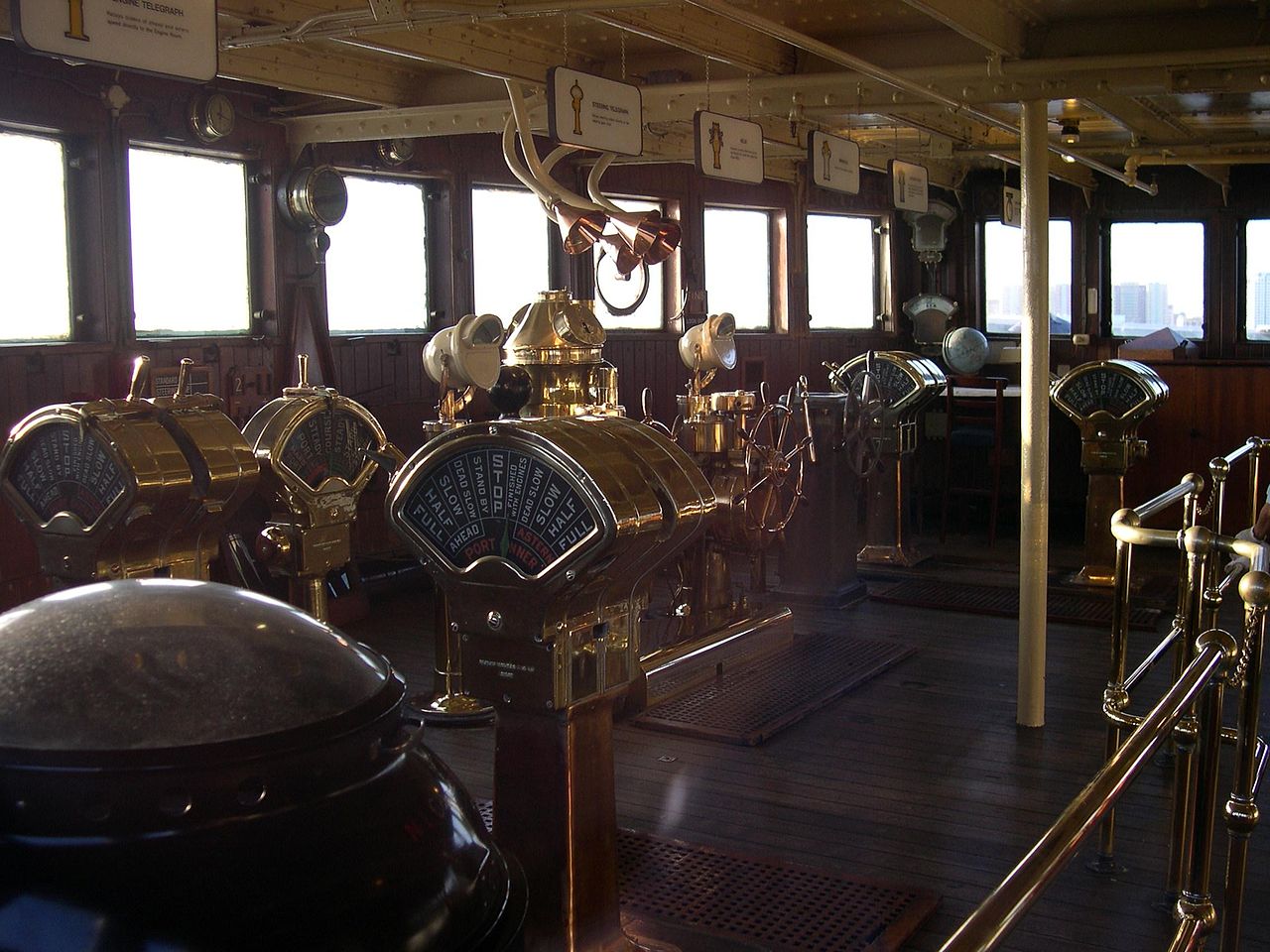
Built for speed, capacity and comfort, Queen Mary was among the largest and fastest passenger liners of her era. Her design emphasized long-range cruising and transatlantic performance, with multiple passenger decks, public rooms finished in Art Deco style, and extensive engineering spaces that housed powerful steam turbines. Typical features included grand salons, promenade decks, dining rooms, cabins of various classes, and substantial cargo and mail capacity.
Service history
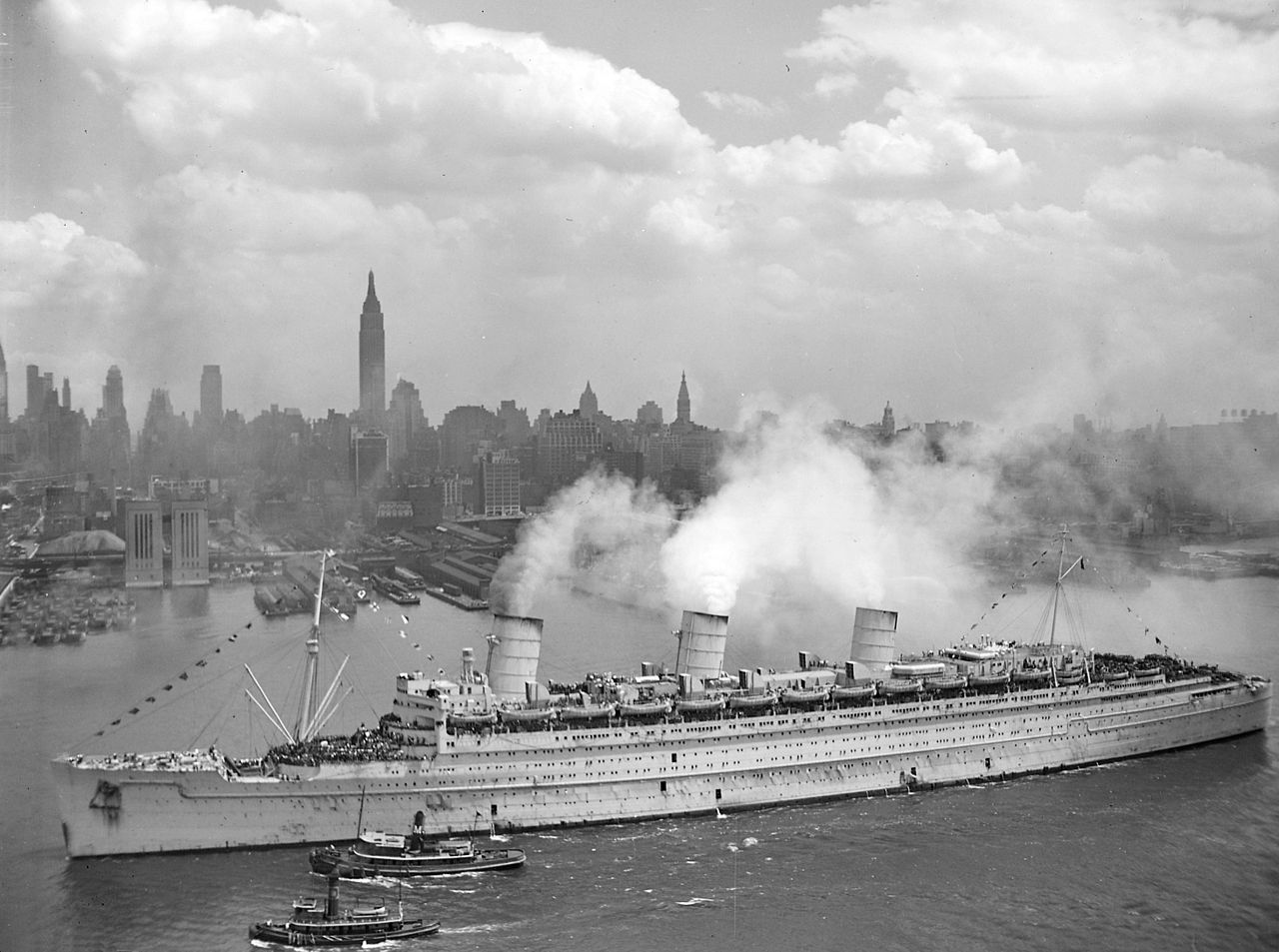
Queen Mary began transatlantic crossings in the 1930s and was part of a prominent pair of sister ships. With the outbreak of World War II, she was converted into a troopship and carried hundreds of thousands of service personnel for the Allied war effort; contemporary accounts refer to these movements as supporting Allied operations. After the war she was refitted to restore and update passenger accommodations, resuming civilian service through the 1950s and 1960s.
Notable events and distinctions
- Queen Mary was celebrated for her speed and reliability during the heyday of ocean travel and competed for prestige on the North Atlantic route.
- During wartime service she was involved in high-risk convoy and transport missions; one notable wartime collision with a convoy escort resulted in loss of life and remains a recorded incident in her history.
- By the mid-1960s, competition from long-range commercial air travel made regular transatlantic liner service increasingly uneconomic, leading to her withdrawal from active passenger service in 1967.
Preservation and contemporary use
In 1967 Queen Mary was sold and towed to Long Beach where she was permanently moored as a waterfront attraction. Today the ship functions as a hotel, museum and event venue, hosting exhibits about maritime history, guided tours of engine rooms and cabins, restaurants, and special events. The ship is listed on the National Register of Historic Places and remains an object of both preservation effort and public interest.
Cultural significance and visitor experience
Queen Mary has become an icon of 20th-century ocean travel and is frequently used as a setting for film shoots, educational programs and commemorations. Visitors can explore reconstructed public rooms, learn about the vessel's wartime role, and encounter interpretive displays about shipbuilding, navigation and passenger life. Popular culture has also attached folklore to the ship, including stories of hauntings that feature in themed tours and local lore.
For more information about docking, tours and events, see visitor resources for Long Beach harbor and maritime attractions: harbor information, general ship history at an ocean liner reference, and archival materials related to the ship's construction and career available through local and national repositories. Additional historical context and documentation can be found through specialized maritime collections and preservation organizations.
Related articles
Author
AlegsaOnline.com RMS Queen Mary Leandro Alegsa
URL: https://en.alegsaonline.com/art/83198
Sources
- nrhp.focus.nps.gov : "NPS Focus"