
National Register of Historic Places
The United States' official list of buildings, sites, structures, objects, and districts deemed significant for preservation under the National Historic Preservation Act of 1966.
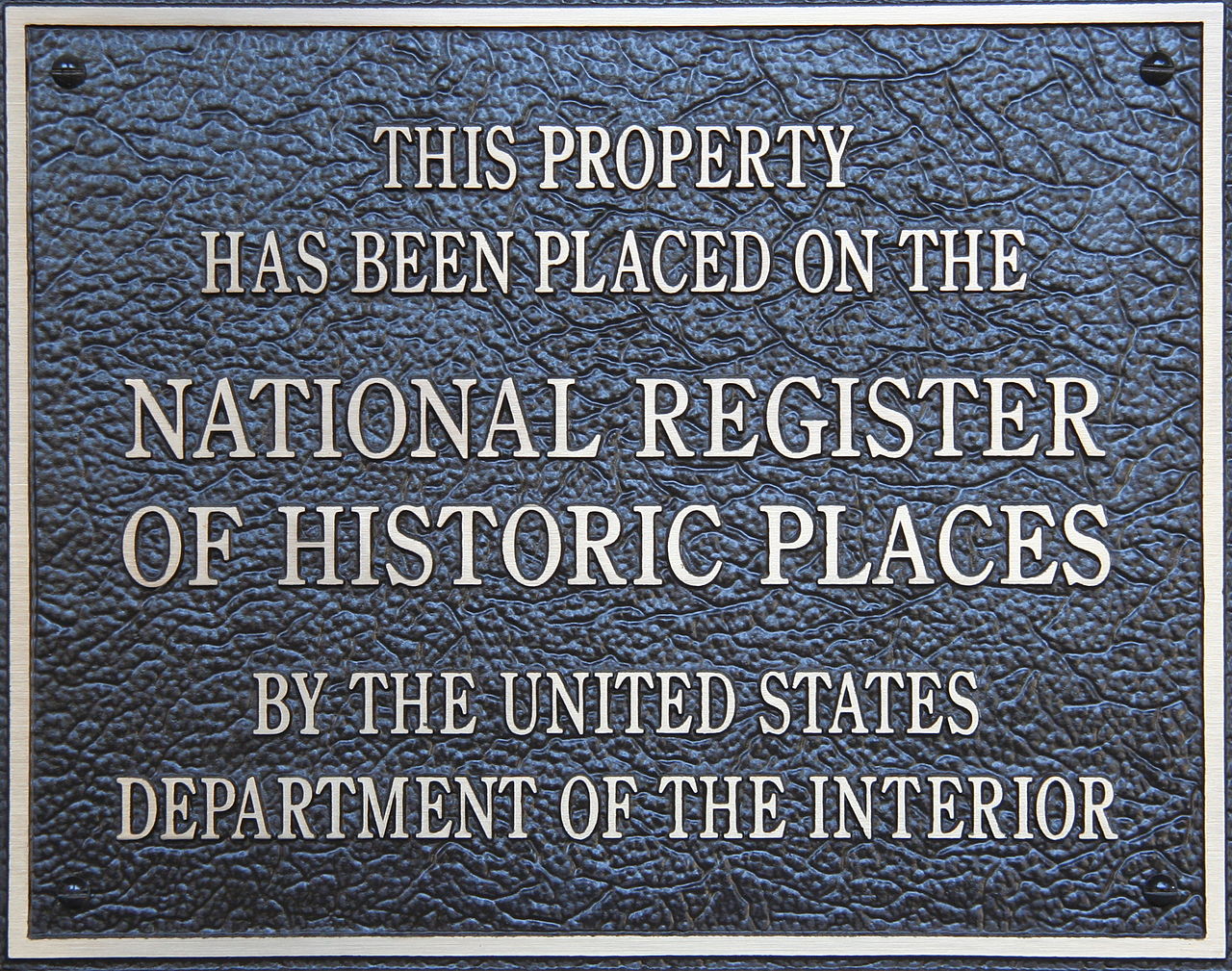
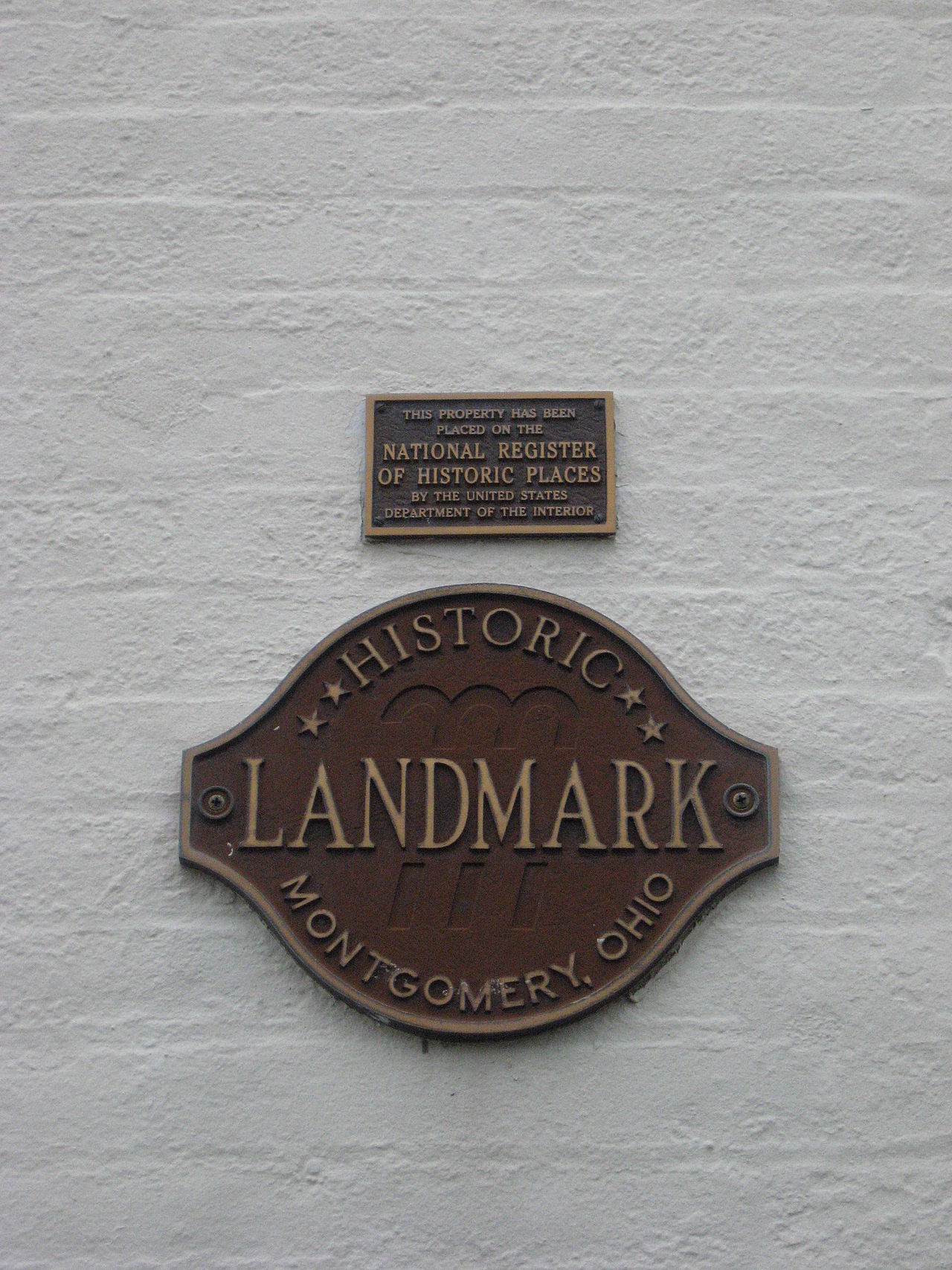
The National Register of Historic Places is the federal government's inventory of properties considered important to the cultural, architectural, archaeological, or historic heritage of the United States. Administered by the National Park Service, the register records a wide range of resources — from individual buildings and monuments to entire historic neighborhoods, landscapes, and engineered works. Inclusion on the register signals recognized significance and can open access to preservation incentives, review processes, and educational attention.
Image gallery
10 Images


Characteristics and eligibility
The register organizes entries into five broad categories often called "property types": buildings, structures, sites, objects, and historic districts. Typical eligibility rests on three general factors: age, integrity, and significance. Age is commonly understood as being at least several decades old (a flexible benchmark often cited as fifty years), integrity refers to the preservation of physical features that convey historic character, and significance means an association with important events, persons, design, or information potential in history or prehistory.
How properties are nominated
Most nominations are prepared at the state level through State Historic Preservation Offices (SHPOs) or by Tribal Historic Preservation Offices, local governments, property owners, or other advocates. Documentation includes descriptions, statements of significance, maps, and photographs. Nominations are reviewed by state or tribal review boards before being forwarded to the National Park Service for a final determination. The register includes both individually listed properties and contributing resources that form part of larger historic districts.
History and legal foundation
The National Register was established by the National Historic Preservation Act of 1966, which created a systematic framework for identifying and honoring places of historic importance across the nation. That law also set up advisory and review mechanisms and encouraged preservation planning at federal, state, and local levels. Over time the program has grown to document a large and varied body of sites — a figure that includes many contributing properties within districts as well as tens of thousands of individually listed resources.
Benefits, protections, and limits
Listing on the register can make owners eligible for federal preservation tax credits, grant programs, and technical assistance, and it triggers review of federally funded or permitted projects under Section 106 of the historic preservation law. However, listing does not automatically restrict a private owner's ability to alter or demolish property unless local preservation laws apply or federal involvement is present. Practical protections therefore vary by jurisdiction and project circumstances.
Distinctions and notable designations
Not all significant places are listed at the same level. A small subset of properties recognized for national-level significance receive a higher designation as National Historic Landmarks; these sites reflect exceptional national importance and are also overseen by the National Park Service. The register remains the broadest national inventory used by historians, planners, and communities to document and promote the preservation of America's historic places.
- Common examples: historic downtowns, industrial complexes, rural landscapes, archaeological sites, bridges, and places associated with cultural movements.
- Practical use: research, planning, economic revitalization, tourism, and education.
Related articles
Author
AlegsaOnline.com National Register of Historic Places Leandro Alegsa
URL: https://en.alegsaonline.com/art/68688