
Road traffic safety
Road traffic safety covers policies, infrastructure, vehicle standards and behaviour aimed at preventing collisions, injuries and deaths among motorists, cyclists and pedestrians.
Overview
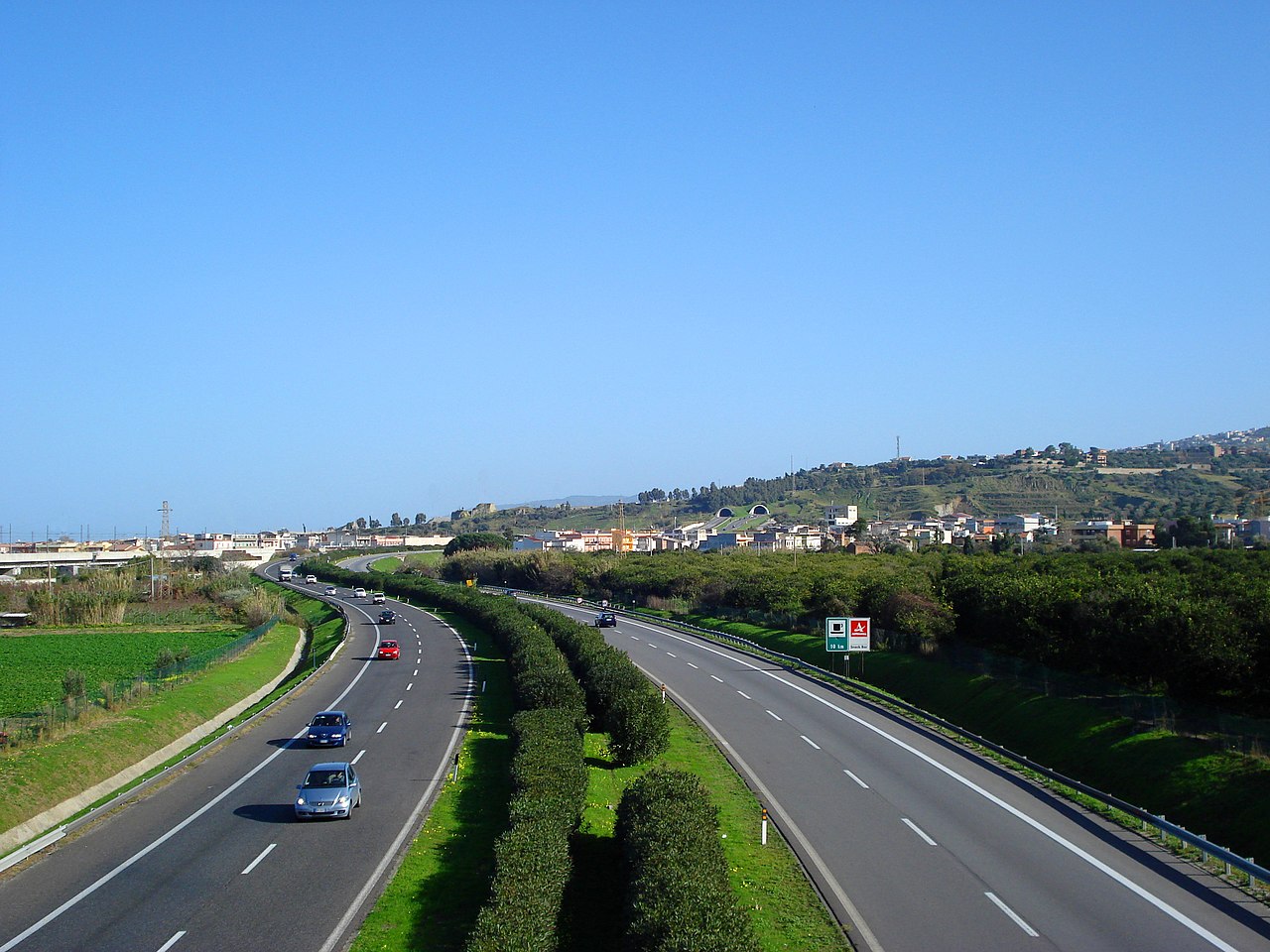
Road traffic safety is the multidisciplinary practice of preventing collisions and reducing their severity when they occur. Globally, roughly one million people are killed in traffic collisions each year and many more are injured. The field brings together engineering, law enforcement, public health and education to keep motor vehicles, bicycles and pedestrians safer on streets and highways.
Image gallery
10 Images



Key components
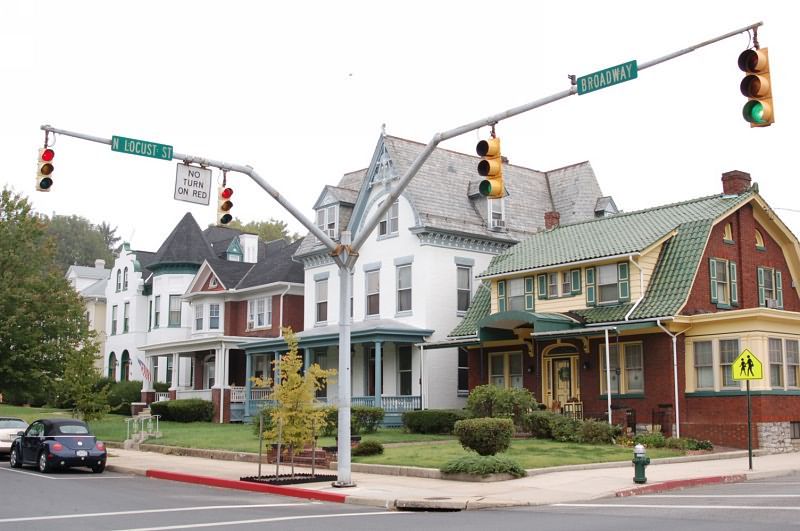
Effective road safety depends on several interlocking elements: vehicle design, highway engineering, traffic laws and emergency response. Prominent examples of legal controls include speed limits and laws restricting drinking and driving. Infrastructure measures such as traffic signal systems and marked pedestrian crossings help manage interactions between road users.
Common interventions
- Engineering: safer road layouts, barriers, clear signage and lighting.
- Vehicle standards: seat belts, airbags, electronic stability control and crashworthiness testing.
- Enforcement: speed cameras, sobriety checkpoints and licensing rules.
- Education: public campaigns, school travel safety and professional driver training.
- Post-crash care: rapid emergency response and trauma services to reduce fatalities after accidents.
History and development
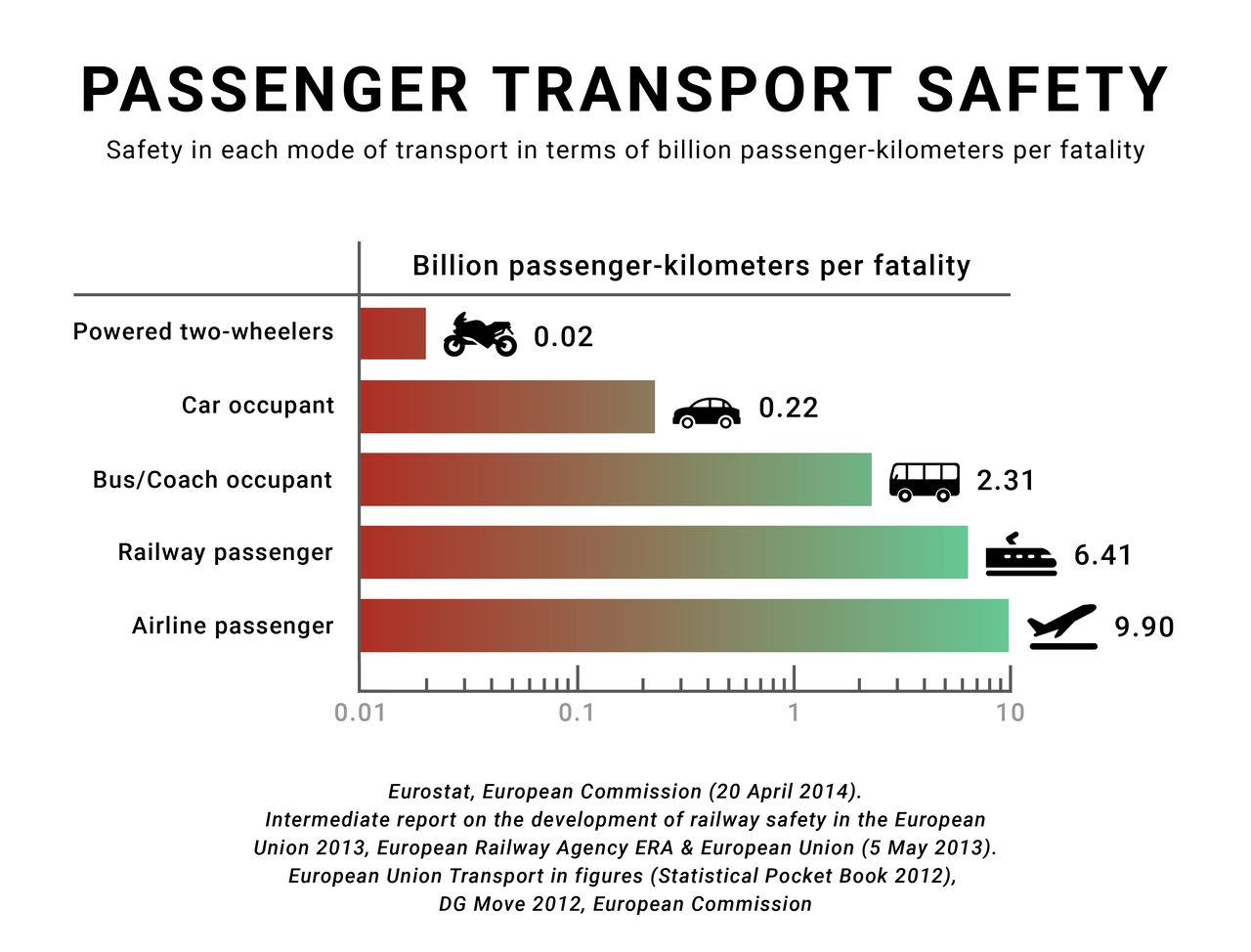
Road safety emerged as a public concern with the mass adoption of motor vehicles in the early 20th century. Over decades, advances such as standardized traffic signs, mandatory seat-belt laws and crash testing have lowered risk per kilometre travelled. Modern strategies increasingly use data-driven analysis and systems thinking to address the full chain of causes that lead to collisions.
Importance and ongoing challenges
Beyond human suffering, road crashes impose large economic costs and disproportionately affect young people and vulnerable road users such as pedestrians and cyclists. Low- and middle-income regions bear a higher share of fatalities despite having fewer vehicles. Current challenges include rapid urbanization, rising motorization, distracted driving, and ensuring equity in safety investments.
Trends and future directions
Road safety policy is moving toward integrated approaches such as Vision Zero and Safe System principles, which accept human error but aim to prevent fatalities. Emerging technologies—advanced driver assistance, connected vehicles and autonomous systems—offer potential safety gains but require careful regulation, infrastructure adaptation and continued focus on proven measures.
Further reading and resources: see policy reports, engineering manuals and public health guidance for detailed methods and evidence. For technical standards and local rules consult national transport authorities or regional guidelines (collision data, speed policy, DUI laws, signal control, crossing design, post-crash care).
Related articles
Author
AlegsaOnline.com Road traffic safety Leandro Alegsa
URL: https://en.alegsaonline.com/art/83210