
Riyadh, capital city of Saudi Arabia
Riyadh is the capital and largest city of Saudi Arabia, a political and economic center on the central Arabian plateau with a growing skyline, administrative role, and cultural institutions.
Riyadh (Arabic: ar-Riyāḍ) is the capital and most populous city of Saudi Arabia. Located near the center of the Arabian Peninsula on a broad desert plateau, Riyadh serves as the country's principal political, administrative, and commercial hub. The modern metropolitan area contains several million residents; population estimates vary by source but commonly cite figures in the multi‑millions.
Image gallery
10 Images
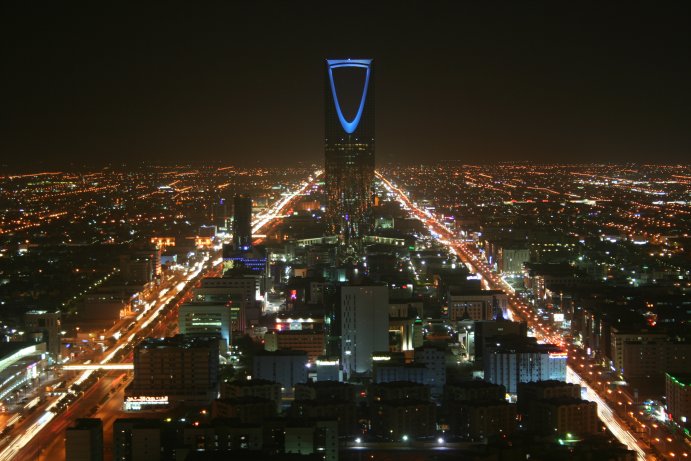
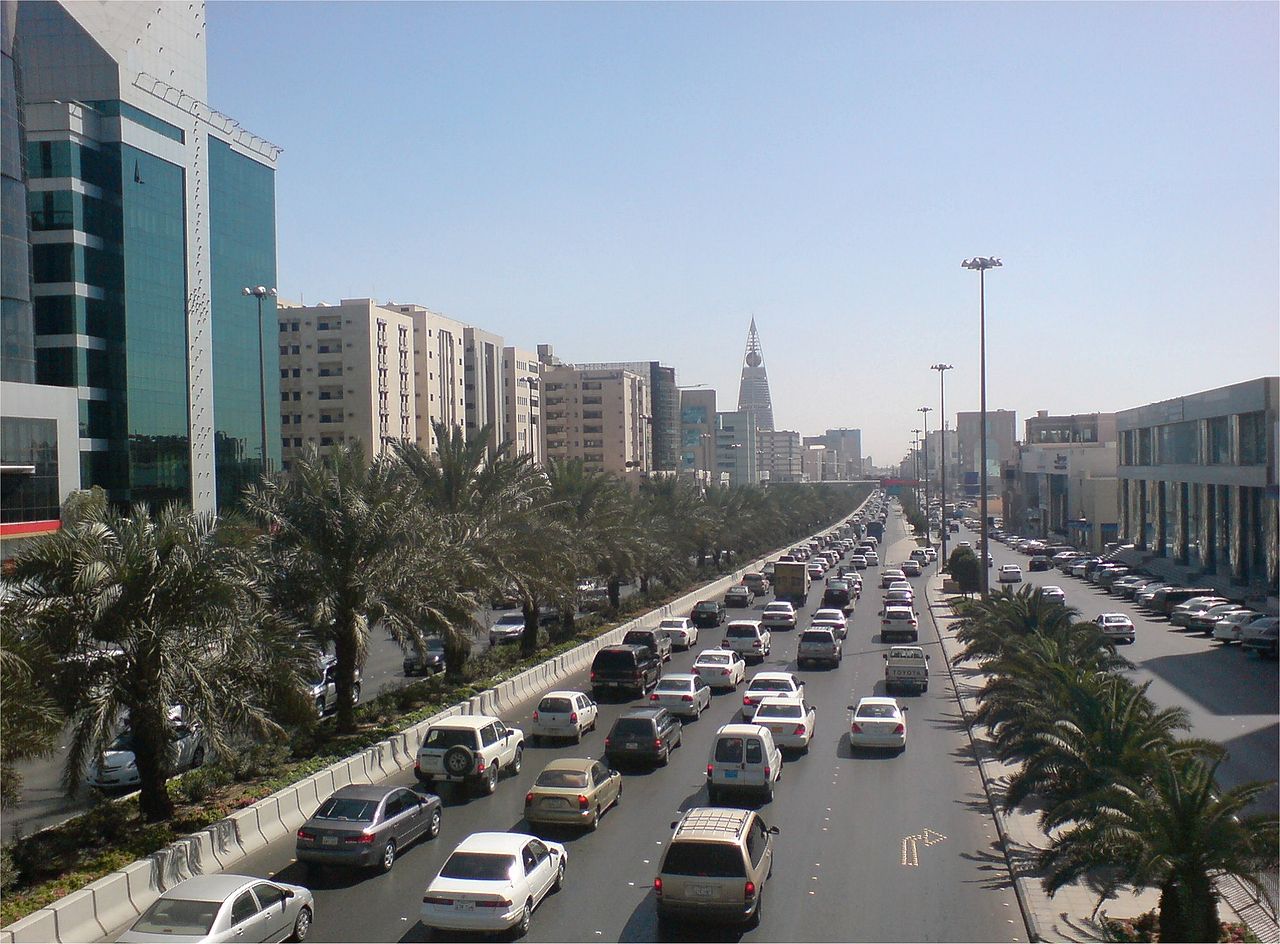


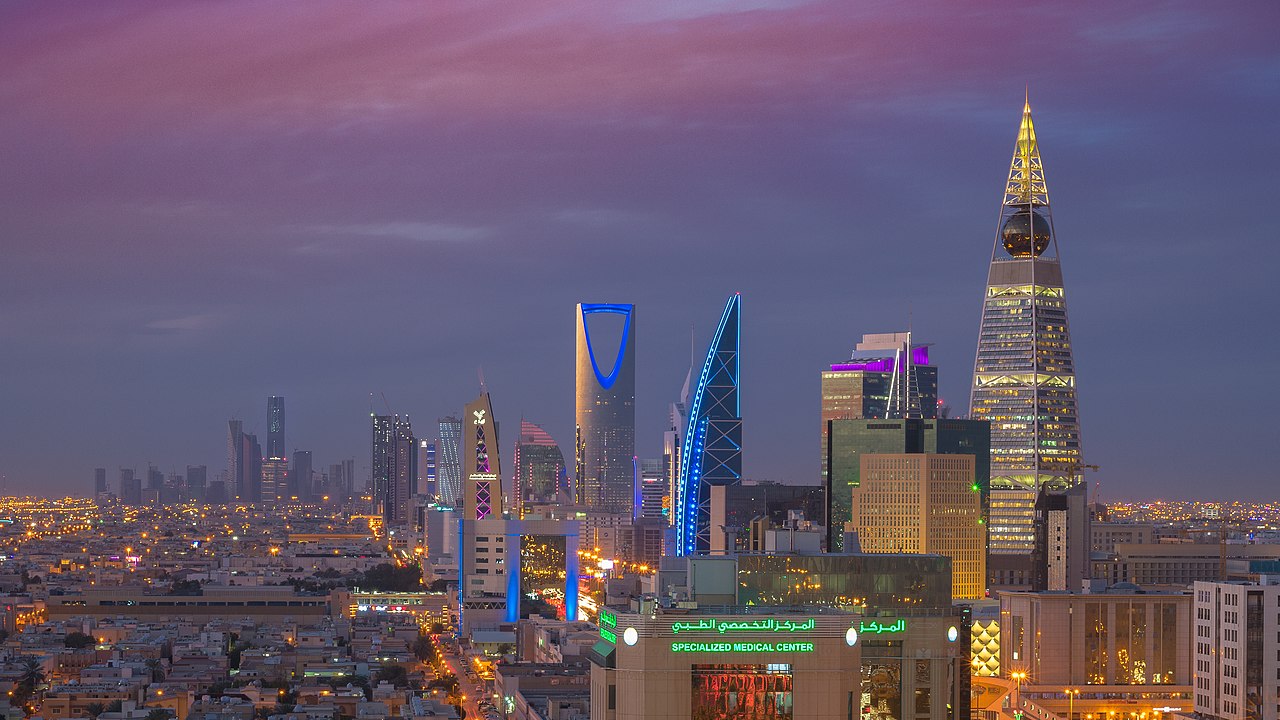


Geography and environment
Riyadh lies in the historic region of Najd and within the traditional territory known as Al‑Yamama. The city's setting on a high, arid plateau gives it a continental desert climate: very hot summers, cooler but mild winters, and low, sporadic rainfall. Urban expansion has transformed former agricultural and oasis lands into dense neighborhoods and business districts. Major thoroughfares and ring roads connect residential districts with new commercial developments and industrial zones.
Government, administration, and districts
The municipality divides Riyadh into multiple municipal districts—fifteen are commonly referenced—each administered as part of the wider Riyadh Municipality. Local governance is coordinated with the Riyadh Development Authority, which reports to the provincial leadership; the governor of Riyadh Province plays a prominent role in planning and development. Municipal authorities oversee services such as transportation networks, utilities, parks and urban projects that shape the city's rapid growth.
History and development
The site of Riyadh has long been inhabited; its name, which can be translated as "the gardens" or "meadows," references former pockets of cultivation. In the late 19th and early 20th centuries the settlement grew in importance under successive local rulers. A pivotal moment in modern Saudi history was the early 20th century reconquest and consolidation of control by the House of Saud, after which Riyadh was established as the political center of the emerging Saudi state and later the capital of the unified kingdom. Since mid‑20th century oil wealth and state investment have driven rapid urbanization, the construction of modern infrastructure, and the emergence of a recognizable skyline.
Economy, landmarks and institutions
As the national capital, Riyadh hosts government ministries, diplomatic missions, national corporations and major financial and commercial institutions. Well‑known landmarks include distinctive high‑rise towers and contemporary commercial complexes that define the city's skyline. Several major universities, research centers and cultural institutions are based in the city, contributing to education and public life. Large development initiatives and mixed‑use projects have been promoted to diversify the economy beyond hydrocarbons and to improve urban amenities.
Culture, transport and significance
Riyadh is a focal point for national festivals, exhibitions and cultural events, and acts as a transport hub with arterial roads, bus networks and regional connections. It has been recognized in various international classifications as an influential global city for its administrative and economic role; such designations reflect its central place in the political and economic structure of the kingdom and its growing international engagement (global city). The city's position near the center of the peninsula links it geographically to broader regional dynamics across the Arabian Peninsula.
- Administrative center of the kingdom and Riyadh Province
- Major educational and cultural institutions
- Rapid urban growth and large‑scale development projects
- Desert climate with limited annual rainfall
As Riyadh continues to expand and modernize, planners and policymakers balance rapid growth with efforts to improve transportation, public services and urban livability while preserving elements of the city's historical identity.
Related articles
Author
AlegsaOnline.com Riyadh, capital city of Saudi Arabia Leandro Alegsa
URL: https://en.alegsaonline.com/art/83183
Sources
- commons.wikimedia.org : Riyadh
- cdsi.gov.sa : "Population"
- arriyadh.com : "About arriyadh"
- alriyadh.gov.sa : "Interactive Map of Riyadh's branch municipalities"
- books.google.com : MEED
- jrcc.sa : "Surface annual climatological report"