
Roanoke Island (North Carolina)
Barrier island in the Outer Banks of North Carolina, known for the 16th-century Lost Colony, maritime ecology, and cultural sites such as Fort Raleigh and Manteo.
Roanoke Island lies within Dare County and the state of North Carolina. Situated between the mainland and the Outer Banks barrier islands, it connects sounds and inlets and supports salt marshes, estuarine habitats and coastal communities.
Image gallery
8 Images


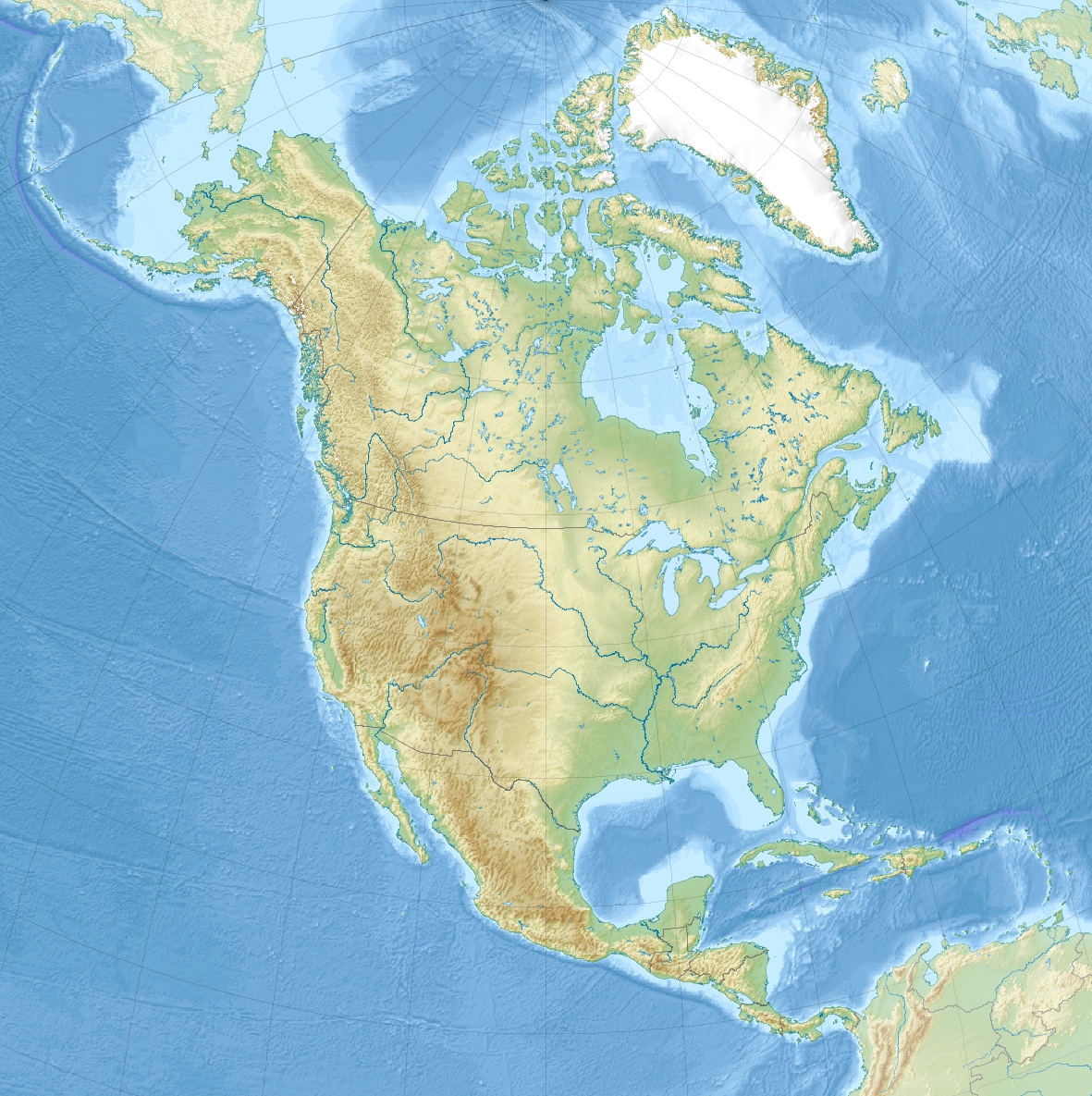


Geography and natural features
The island is low-lying and elongated, bordered by Pamlico and Albemarle sounds. Its wetlands, tidal creeks and maritime forests provide habitat for shorebirds, fish and marsh plants. The landscape has been shaped by storms, tides and human development, with bridges and causeways linking it to neighboring islands and the mainland.
Early history and the Lost Colony
Roanoke is best known for the English attempts to establish a settlement in the late 16th century. The 1587 colony, often called the "Lost Colony," vanished between supply visits, leaving behind the carved word "CROATOAN." Virginia Dare, born there in 1587, is traditionally cited as the first English child born in the Americas. The events remain a major subject of archaeological and historical investigation.
Cultural sites and tourism
Fort Raleigh National Historic Site preserves the documented location associated with the early English presence and interprets the Lost Colony story. The long-running outdoor drama "The Lost Colony" has been performed on Roanoke since 1937. Other attractions include a maritime museum, waterfront exhibits and aquaria that highlight local ecology and fisheries.
Economy and contemporary life
Today Roanoke Island balances year-round residents, seasonal tourism and fishing. Towns such as Manteo act as commercial and cultural centers with shops, galleries and events. Conservation groups and agencies work to protect the island's wetlands, cultural resources and water quality while accommodating visitors.
Notable facts
- The island's name derives from an Algonquian term associated with shells or beads.
- Archaeology and oral traditions continue to inform the island's history.
- Roanoke is a focal point for studies of early colonial contact, maritime ecology and coastal resilience.
Related articles
Author
AlegsaOnline.com Roanoke Island (North Carolina) Leandro Alegsa
URL: https://en.alegsaonline.com/art/83225