
Global city: definition, characteristics, history, and significance
A global city is a major urban center that plays a decisive role in the global economy through finance, corporate headquarters, culture, transport and information networks.
A global city (also called a world city) is an urban center whose economic, cultural and political influence extends far beyond its national borders. Such cities command disproportionate shares of international finance, corporate decision-making, advanced services and media production. They act as hubs for flows of capital, goods, people and information that shape regional and global outcomes.
Image gallery
5 Images


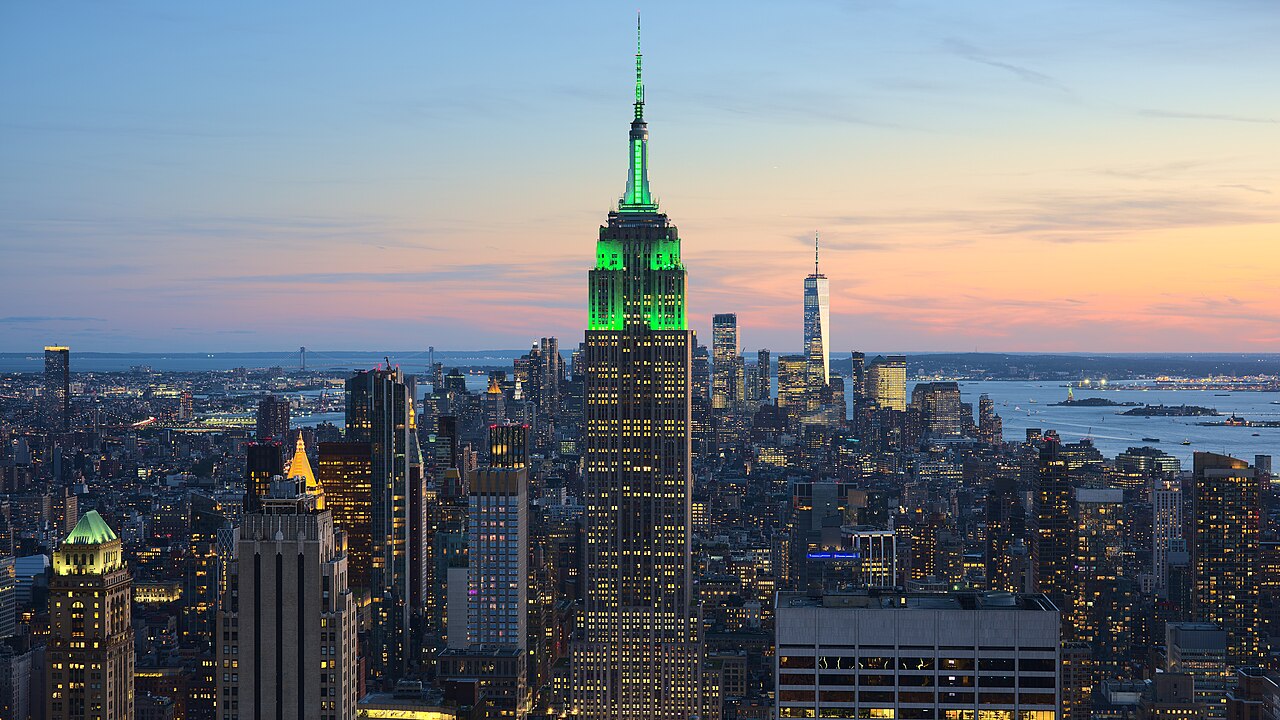

Key characteristics
- Economic and financial power: prominent stock exchanges, major banks and investment firms concentrate capital and set market trends.
- Corporate headquarters and services: dense clusters of multinational company headquarters, law firms, consultancies and accounting firms that coordinate global operations.
- Connectivity: major airports, ports and digital infrastructure that link the city to international circuits.
- Cultural and media reach: global cultural institutions, media companies, universities and creative industries that influence tastes and ideas.
- Political and institutional influence: presence of international organizations, diplomacy and policy networks.
The concept gained scholarly attention in the late 20th century as researchers sought to explain uneven globalization. Studies and ranking indexes—most notably those by academic networks such as the Globalization and World Cities Research Network (GaWC)—identify tiers of global influence and commonly list cities like London, New York City and Paris among the most influential.
Beyond economics, global cities serve practical roles: they attract international talent and migrants, host major cultural events, and shape technology and innovation ecosystems. At the same time they often concentrate visible inequalities—high incomes and expensive real estate alongside poverty and service-sector precarity—making urban governance and social policy central concerns.
Distinctions and debates
Global cities are not identical to megacities (which are defined by population size) or national capitals (which are administrative centers). The defining feature is relational: a city’s importance is measured by its embeddedness in transnational networks rather than by size alone. Scholars debate measurement methods, the relative weight of cultural versus economic criteria, and how shifts in technology or geopolitics will alter city hierarchies.
Researchers, policymakers and investors monitor global cities because they both reflect and drive global change. Understanding their strengths and vulnerabilities helps explain patterns of trade, migration, innovation and urban inequality, and informs planning for resilience, infrastructure and inclusive growth.
Related articles
Author
AlegsaOnline.com Global city: definition, characteristics, history, and significance Leandro Alegsa
URL: https://en.alegsaonline.com/art/39221
Sources
- lboro.ac.uk : The World According to GaWC
- atkearney.com : "2012 Global Cities Index and Emerging Cities Outlook"
- theatlantic.com : "What Is the World's Most Economically Powerful City?"
- mori-m-foundation.or.jp : "Global Power City Index 2012"
- knightfrankblog.com : "The Wealth Report 2013"
- managementthinking.eiu.com : "The Global City Competitiveness Index"