
Roanoke Colony — the Lost Colony of Roanoke Island
Roanoke Colony was an early English settlement on Roanoke Island (present-day Dare County, North Carolina) founded in the 1580s. Its 1587 group vanished and remains one of North America’s enduring mysteries.
Overview: Roanoke Colony was an English attempt to establish a permanent foothold in what was then called the New World. Organized under the patronage of Sir Walter Raleigh, the venture established settlements on Roanoke Island off the present-day coast of North Carolina. The site is best known for the disappearance of the second, 1587 colony, often called the "Lost Colony." Many basic facts are known, but the fate of the colonists remains uncertain.
Image gallery
10 Images


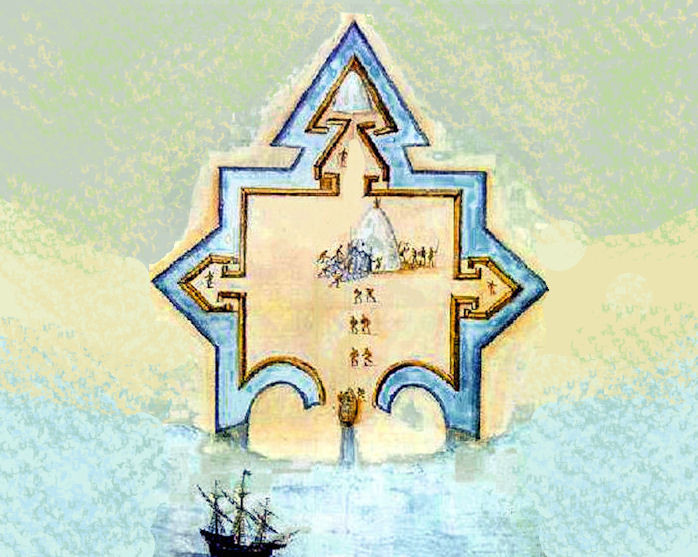


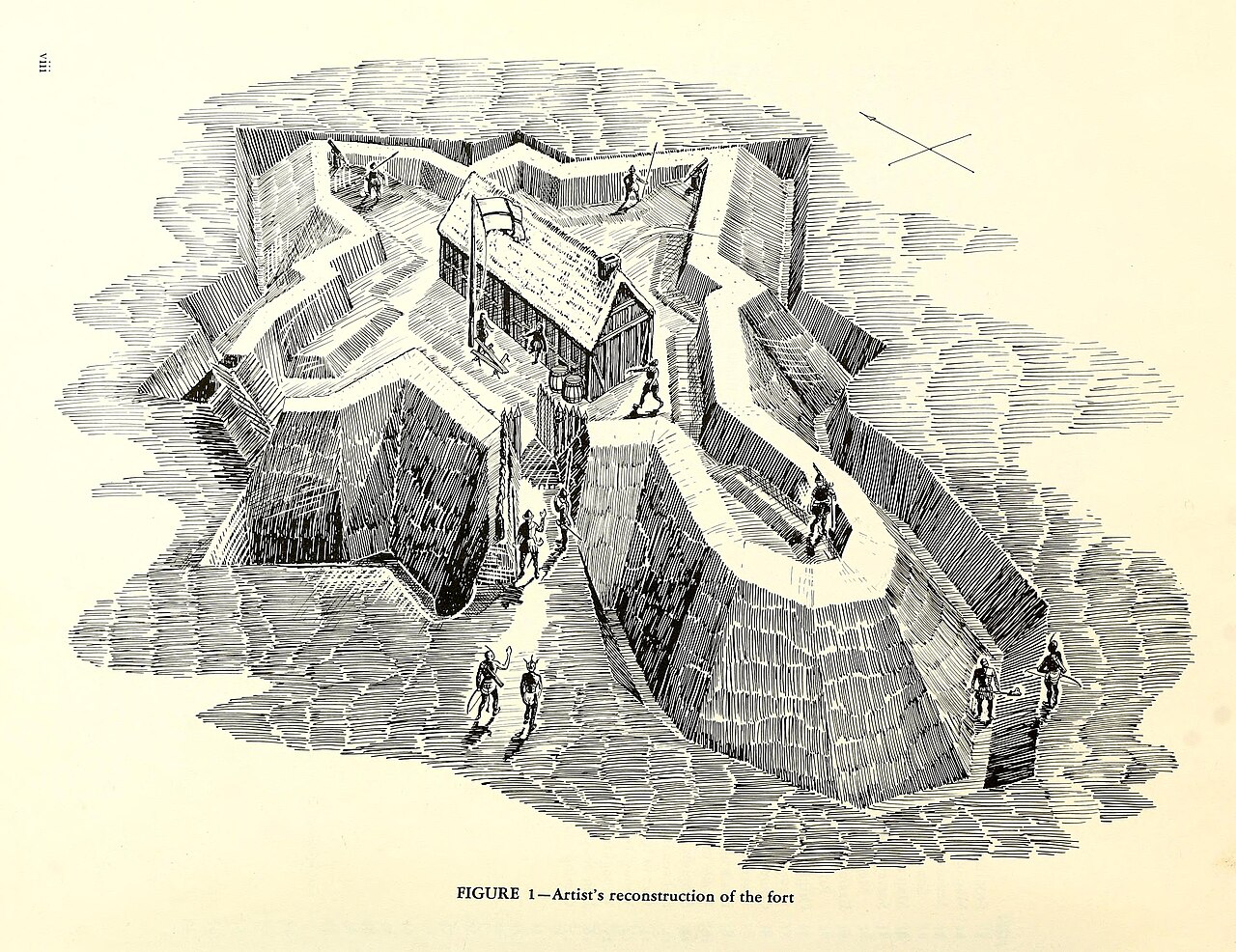


Founding and early attempts
Initial English activity on the island began in the mid-1580s with exploratory and military missions. A temporary settlement was established in 1585 but was abandoned and resupplied in subsequent years. A larger group of settlers arrived in 1587 under the leadership of Governor John White; that group included families and children, among them the infant Virginia Dare, the first English child born in an English-held North American colony.
Disappearance and contemporaneous records
When Governor White returned to England for supplies he was delayed by war with Spain and could not return until 1590. On his return the settlement was empty; buildings had been dismantled and the only clue left behind was the carved word "CROATOAN" on a post and the letters "CRO" on a tree. No direct record explains whether the colonists moved, assimilated with Native American groups, died, or were killed.
Principal theories
- Relocation to a nearby island or inland site, possibly to live with or near Native American groups such as the Croatoan (also called Hatteras).
- Absorption into local tribes through marriage or adoption, a theory supported by some later reports of European-looking individuals living among Native communities.
- Failure due to famine, disease, or weather, possibly combined with attacks by hostile groups or Spanish raiders.
- Relocation southward toward Chesapeake Bay or other English resettlement attempts.
Archaeology, searches and legacy
Archaeological work on Roanoke Island and nearby sites has produced artifacts from the late 16th century but no conclusive evidence identifying the colonists’ fate. The "Lost Colony" has become an important subject in American history, folklore, and historical tourism, and it is commemorated with research projects, interpretive centers, and annual performances. Interpretations remain cautious: scholars piece together fragmentary documentary records, Native oral histories, and material remains but avoid definitive claims.
Context and significance
The Roanoke story illustrates the hazards of early colonization, the limits of contemporary record-keeping, and the complex interactions between European settlers and Indigenous peoples. It preceded more persistent English settlements such as Jamestown and occupies a prominent place in discussions about early colonial ambition and cross-cultural encounters.
Further reading and resources: English colonial history, colonial ventures, North American exploration, Roanoke Island, Dare County, North Carolina, United States colonial sites, Sir Walter Raleigh.
Questions and answers
Q: Where was the Roanoke Colony located?
A: The Roanoke Colony was located on Roanoke Island in what is today Dare County, North Carolina, in the United States.
Q: Who founded the Roanoke Colony?
A: The Roanoke Colony was founded by Sir Walter Raleigh in 1585.
Q: When did the colony disappear?
A: The colony disappeared sometime between 1587 and 1590.
Q: What is the Roanoke Colony known as?
A: The Roanoke Colony is known as the "Lost Colony."
Q: Why did it disappear?
A: It is unclear why the colony disappeared; today nobody knows what happened to the people who were living there.
Q: Was it part of a larger country or region at that time?
A: At that time, the Roanoke Colony was part of Britain's colonies in North America.
Q: How long did it exist before disappearing?
A: The colony existed for approximately two to three years before disappearing.
Related articles
Author
AlegsaOnline.com Roanoke Colony — the Lost Colony of Roanoke Island Leandro Alegsa
URL: https://en.alegsaonline.com/art/83224
Sources
- books.google.com : Set fair for Roanoke: voyages and colonies, 1584–1606
- books.google.com : Roanoke, The Abandoned Colony
- nps.gov : "Teacher Handbook to Roanoke Revisited"
- books.google.com : Big Chief Elizabeth: the adventures and fate of the first English colonists in America
- docsouth.unc.edu : "The Account by Ralph Lane. An account of the particularities of the imployments of the English men left in Virginia by Richard Greenevill under the charge of Master Ralph Lane Generall of the same, from 17 August 1585 until the 18 June 1586, at which time they departed the Countrey; sent and directed to Sir Walter Ralegh"
- books.google.com : The South in the Building of the Nation: History of the States
- books.google.com : Jamestown Colony: a political, social, and cultural history
- books.google.com : Roanoke: solving the mystery of the lost colony
- nps.gov : "The John White Colony"
- books.google.com : Bertie County: An Eastern Carolina History
- books.google.com : Half Moon: Henry Hudson and the Voyage That Redrew the Map of the New World
- books.google.com : Roanoke Island, The beginnings of English America
- skarorehkatenuakanation.org : "The Croatan Indians of Robeson"
- books.google.com : Norfolk: the first four centuries
- books.google.com : The Historie of Travaile into Virginia Britannia: Expressing the cosmographie and comodities of the country, togither with the manners and customes of the people