
Rjukan — Norwegian valley town known for industry, winter darkness and history
Rjukan is a small industrial town in Norway, set in a deep valley of Vestfold og Telemark. Noted for its hydroelectric heritage, WWII history at Vemork, and winter shadow solved by mountain mirrors.
Rjukan is a small town in southern Norway situated in a steep valley in what was historically Telemark and is now part of Vestfold og Telemark county. The settlement grew up around large hydroelectric projects and chemical industry; it has housed a few thousand residents (about 3,400 in 2007). Rjukan is often described as an industrial company town founded to exploit waterfalls and electricity from nearby rivers. See general information about the town at Rjukan and the region at Telemark.
Image gallery
9 Images


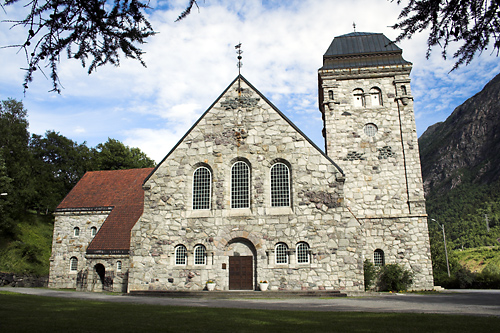
Geography and climate
The town lies deep in a narrow valley surrounded by steep mountains such as Gaustatoppen. Because of the valley geometry, parts of Rjukan fall into permanent shadow during the darker months. From late autumn to early spring the sun does not reach the valley floor for several months, a striking local feature that has influenced daily life and attracted attention beyond Norway.
History and industrial development
Rjukan’s modern growth dates from the early 20th century when energy-rich waterfalls were harnessed to produce electricity for chemical manufacturing. A prominent hydroelectric plant in the area supplied power for fertilizer and other industrial processes. Large industrial facilities and worker housing were built, shaping a distinctive townscape tied to the energy industry. Much of this industrial heritage is recognized for its role in Norway’s modernization.
World War II and Vemork
Near Rjukan is the Vemork power station, which became famous during World War II because it produced heavy water used in nuclear research. Allied and Norwegian efforts targeted the facility to hinder German programs, and the events there remain a significant part of local and international history. The story is interpreted in museums and visitor sites in the area.
Modern life, tourism and adaptations
Rjukan today combines elements of its industrial past with tourism and outdoor recreation. Visitors come for mountain hiking, skiing and to learn about the industrial and wartime history. To address the winter darkness, in the 2010s the community installed large, movable mirrors (heliostats) on the mountainside that reflect sunlight down into parts of the town square—an unusual engineering and cultural response to local geography.
Attractions and notable features
- Industrial heritage sites and museums documenting hydroelectric development and wartime events.
- Access to mountains such as Gaustatoppen, with trails and viewpoints.
- Innovations in public life, including the mirrored sunlight installation and historic transport systems that link the valley to higher ground.
Rjukan is often cited as an example of how geography, industry and history combine to shape a community. Its industrial landscape and wartime stories are preserved for study and tourism, while the town continues to adapt to seasonal challenges and to promote its natural surroundings.
Related articles
Author
AlegsaOnline.com Rjukan — Norwegian valley town known for industry, winter darkness and history Leandro Alegsa
URL: https://en.alegsaonline.com/art/83190
Sources
- kommunal-rapport.no : kommunal-rapport.no
- nyteknik.se : Inklämda byn som får solljuset från speglar
- telegraph.co.uk : Norwegian town places mirrors on hillsides to shine light into valley