
Rizal Park (Luneta) — Manila's historic national urban park
Rizal Park (Luneta) is a large historic urban park beside Manila Bay in the Philippines, centered on the monument to José Rizal and serving as a venue for ceremonies, recreation, and public memory.
Overview
Rizal Park, commonly called Luneta, is a prominent public park located along Manila Bay in the capital of the Philippines. It is one of the country's most visited open spaces and ranks among the larger urban parks in Asia. The park is a mix of open plazas, landscaped gardens and commemorative monuments that mark its role in national history and everyday urban life.
Image gallery
10 Images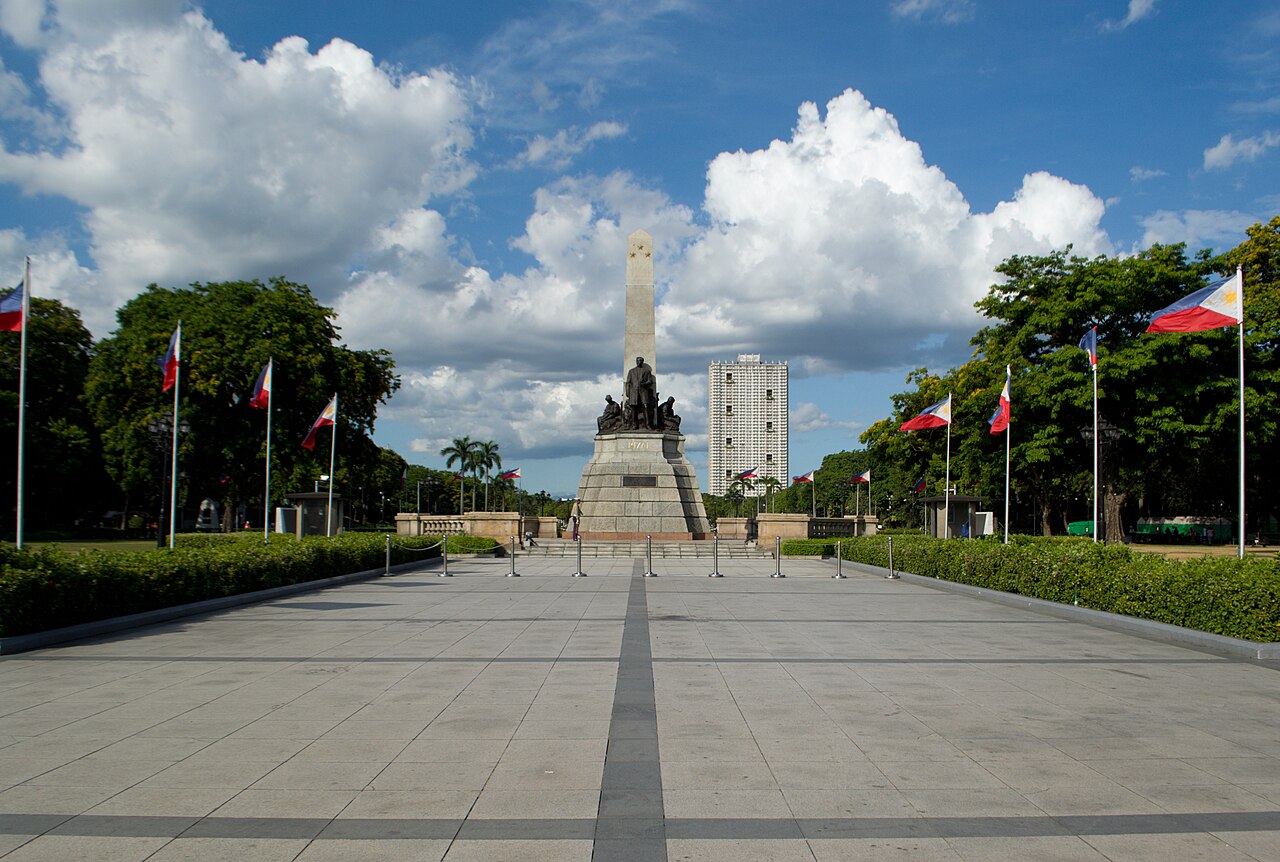


Features and layout
The park centers on a memorial that honors the national hero José Rizal and the spot traditionally associated with his execution. Surrounding this focal point are broad lawns, paved promenades, shaded walkways and ornamental fountains. Smaller features include bandstands, formal garden plots and areas designated for cultural displays or temporary exhibitions. The site connects to adjacent cultural institutions and the waterfront promenade, forming a civic and recreational precinct.
History and development
The site that became Rizal Park has long been important to Manila's urban fabric. During the late 19th and early 20th centuries it was transformed into a public promenade and parkland under successive administrations, evolving into a landscaped national park. The park's association with José Rizal gave it special political and symbolic significance, and it gradually assumed the role of a place for national ceremonies and remembrance.
Uses and cultural importance
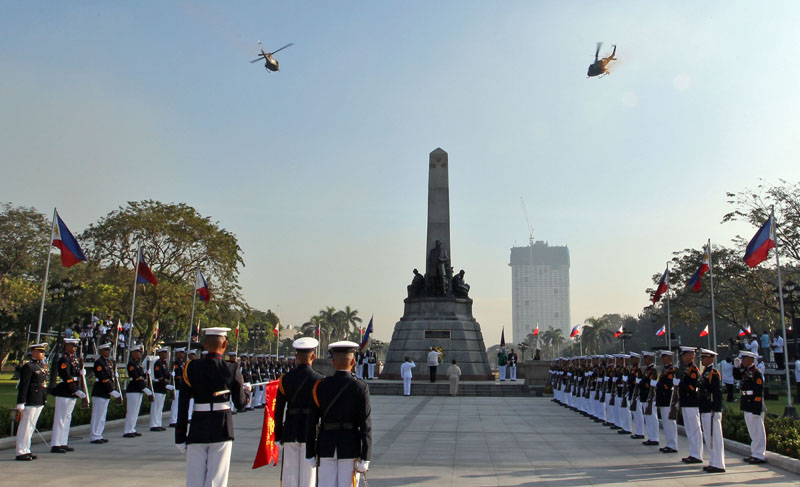
Rizal Park functions as a setting for a wide range of activities: formal ceremonies, commemorative events, concerts, family recreation and large public gatherings. It is frequently chosen for state observances and for civic events that bring together diverse communities. Its combination of open space and monuments makes it both a tourist destination and a living urban square for residents.
Visiting and notable facts
- Visitors find a mix of quiet garden areas and busy plazas suited to strolling or organized events.
- The central memorial is a common meeting point and a focal site for wreath-laying and remembrance.
- Its location beside Manila Bay makes it a popular place to watch sunsets and to access nearby cultural attractions.
As an urban landmark, Rizal Park illustrates how public green space can carry deep historical meaning while remaining an active part of daily city life.
Related articles
Author
AlegsaOnline.com Rizal Park (Luneta) — Manila's historic national urban park Leandro Alegsa
URL: https://en.alegsaonline.com/art/83184