
Rize (city in northeastern Turkey)
Port city on Turkey’s eastern Black Sea coast and capital of Rize Province, noted for its tea production, steep coastal landscape, humid climate, and regional culture and cuisine.
Overview
Rize is a coastal city on the eastern shore of the Black Sea and the administrative center of Rize Province. It sits in the Karadeniz (Black Sea) Region of northern Turkey. The city is best known as the heart of Turkey's tea-growing area and serves as a local hub for commerce, transport and regional services. In 2013 the population of the municipality was recorded at about 139,150.
Image gallery
10 Images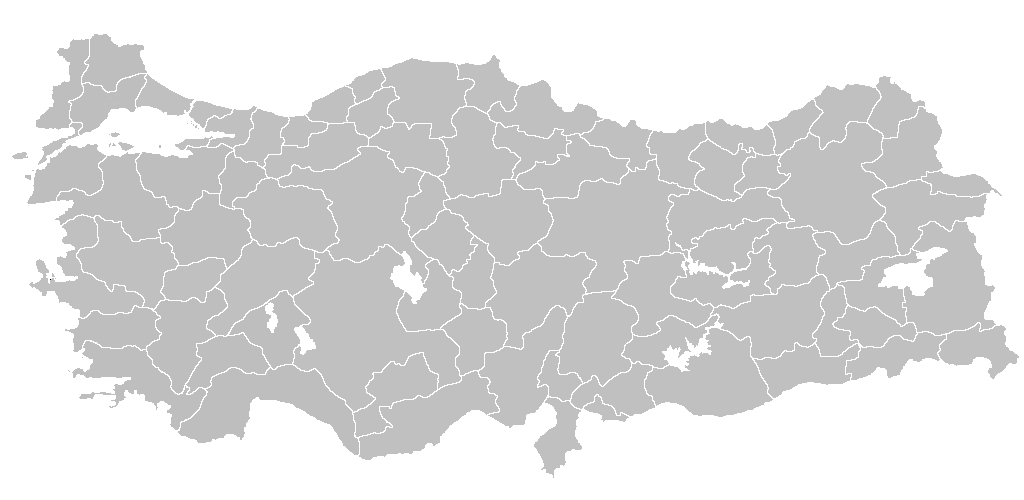




Geography and climate
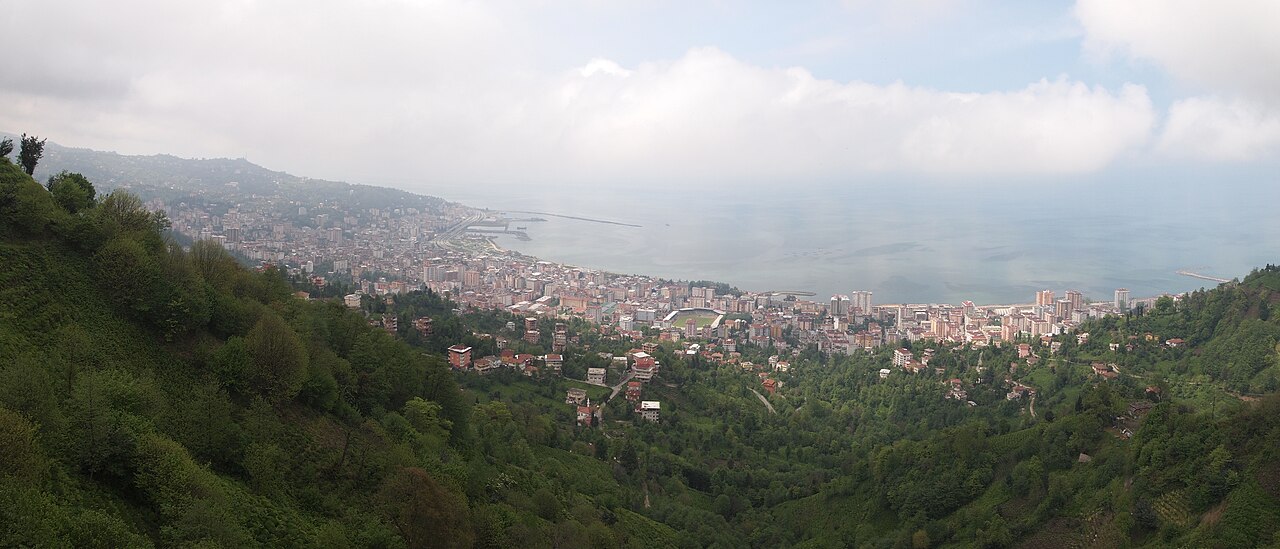
Rize occupies a narrow coastal strip backed by steep, forested hills that rise quickly toward the Kaçkar Mountains. This terrain produces dramatic scenery, with rivers and terraces carved into slopes above the sea. The climate is maritime and humid, with high rainfall spread through much of the year—conditions that favor lush vegetation and intensive agriculture on terraced plots.
History and development
The area around Rize has been inhabited for millennia and has seen influences from Byzantine, Pontic and Ottoman periods. The modern town grew as communication and coastal transport improved in the late Ottoman and early Republican eras. Historic features in and near the city include remnants of former fortifications and traditional wooden houses adapted to the wet, mountainous setting.
Economy, culture and daily life
Tea cultivation dominates the local economy: Rize Province supplies most of Turkey’s black tea. Small-scale fishing, forestry and horticulture also contribute livelihoods. Local culture reflects Black Sea traditions—music, dance and cuisine shaped by a maritime and mountain environment. Anchovy dishes, corn-based breads and tea drinking are prominent aspects of daily life.
Sights and significance
- Tea gardens and processing facilities, visible on terraced slopes above the city.
- Coastal promenades, local markets and a small port handling regional traffic.
- Access to nearby highland routes and the Kaçkar range, valued by hikers and nature tourists.
Rize is important both as a geographic gateway between sea and mountains and as the symbolic center of Turkey’s tea industry. Its combination of maritime climate, steep landscape and living rural traditions makes it distinctive within the Black Sea region.
Related articles
Author
AlegsaOnline.com Rize (city in northeastern Turkey) Leandro Alegsa
URL: https://en.alegsaonline.com/art/83186