
River Shannon
Major river of Ireland, rising at Shannon Pot and flowing south to the Shannon Estuary at Limerick; important for navigation, ecology, history and as a geographic divide between east and west.
Overview
The River Shannon is the longest river in Ireland and forms a prominent north–south corridor through the island, physically separating much of the eastern lowlands from the western uplands. It has been a key axis for travel, settlement and commerce for centuries and remains a defining feature of the Irish landscape. The river’s length, wide lakes and expansive estuary give it a variety of riverine environments from upland source to tidal sea.
Image gallery
10 Images


Course and principal features
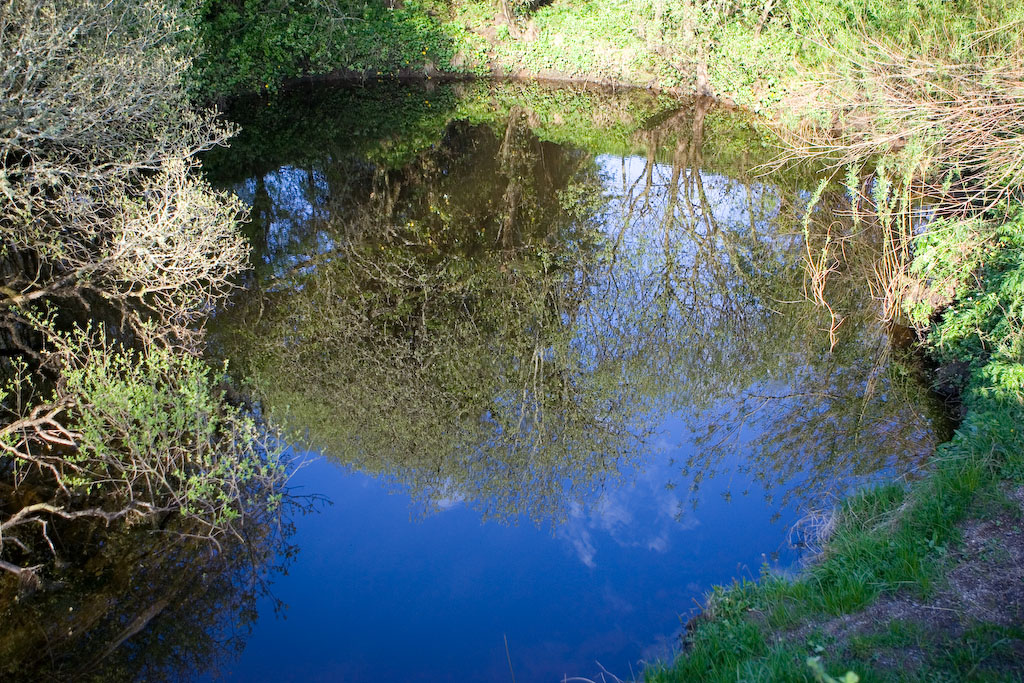
The Shannon is traditionally regarded as arising at the spring known as the Shannon Pot in County Cavan, then flows broadly south-west through a chain of large lakes and river reaches before discharging to the sea via the Shannon Estuary at Limerick. Along its route the river passes towns such as Carrick-on-Shannon and Athlone and is connected to inland waterways that extend access across the island. Its estuary opens into the Atlantic and is one of the most significant tidal inlets on Ireland’s west coast.
Components and tributaries
The Shannon’s system includes a series of lakes and many tributary rivers; notable lake basins on its course include Lough Allen, Lough Ree and Lough Derg. Significant tributaries feed the main channel and contribute to its catchment and flow. The river also links to human-made canals and waterways, which historically enhanced inland navigation and still support leisure boating today.
- Major lakes: Lough Allen, Lough Ree, Lough Derg
- Some tributaries: River Boyle, River Suck, River Brosna
- Waterway links: Shannon–Erne Waterway and connections to canal networks
History, infrastructure and navigation
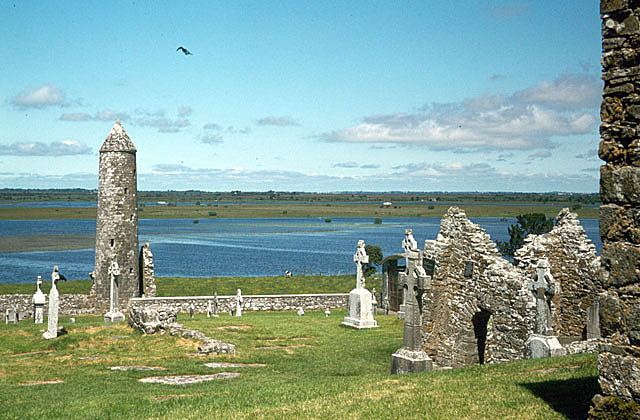
For centuries the Shannon has shaped human settlement and movement: riverside sites were used by early communities, later by Viking and medieval traders, and by modern towns that grew as ports. In the early 20th century the river’s flow was harnessed for hydroelectric power at major schemes that helped industrial development. Navigation along the Shannon supported commercial traffic historically and today underpins a substantial recreational boating and cruising industry.
Ecology, uses and conservation
The Shannon and its estuary support a wide range of habitats, from freshwater wetlands and reedbeds to tidal mudflats, and are important for fish, waterfowl and wetland plants. Angling, wildlife watching and river cruising are popular uses. Conservation efforts focus on improving water quality, protecting important bird and fish species, and managing invasive species that can alter habitats.
Notable facts and significance
As Ireland’s longest river and one of its most navigable, the Shannon is both a practical resource and a cultural symbol. It functions as a physical divider between east and west, a corridor for recreation and commerce, and a focus for ecological protection. For further geographic and historical details see sources that document its course from longest river status to its estuarine terminus at Limerick.
Related articles
Author
AlegsaOnline.com River Shannon Leandro Alegsa
URL: https://en.alegsaonline.com/art/83124