
River Teifi — river of west Wales
The River Teifi rises above Tregaron and flows west through a largely rural landscape to Cardigan Bay. Noted for good water quality, diverse wildlife and a long coracle-fishing tradition.
Overview
The River Teifi is a prominent river in west Wales that begins in upland moorland above the town of Tregaron and flows westward to the sea at Cardigan. It traverses a mix of peat bogs, pasture and wooded valleys, and its lower reaches form a tidal estuary before entering Cardigan Bay. The Teifi has long been recognised for relatively high water quality and supports a rich assemblage of freshwater and estuarine habitats.
Image gallery
6 Images

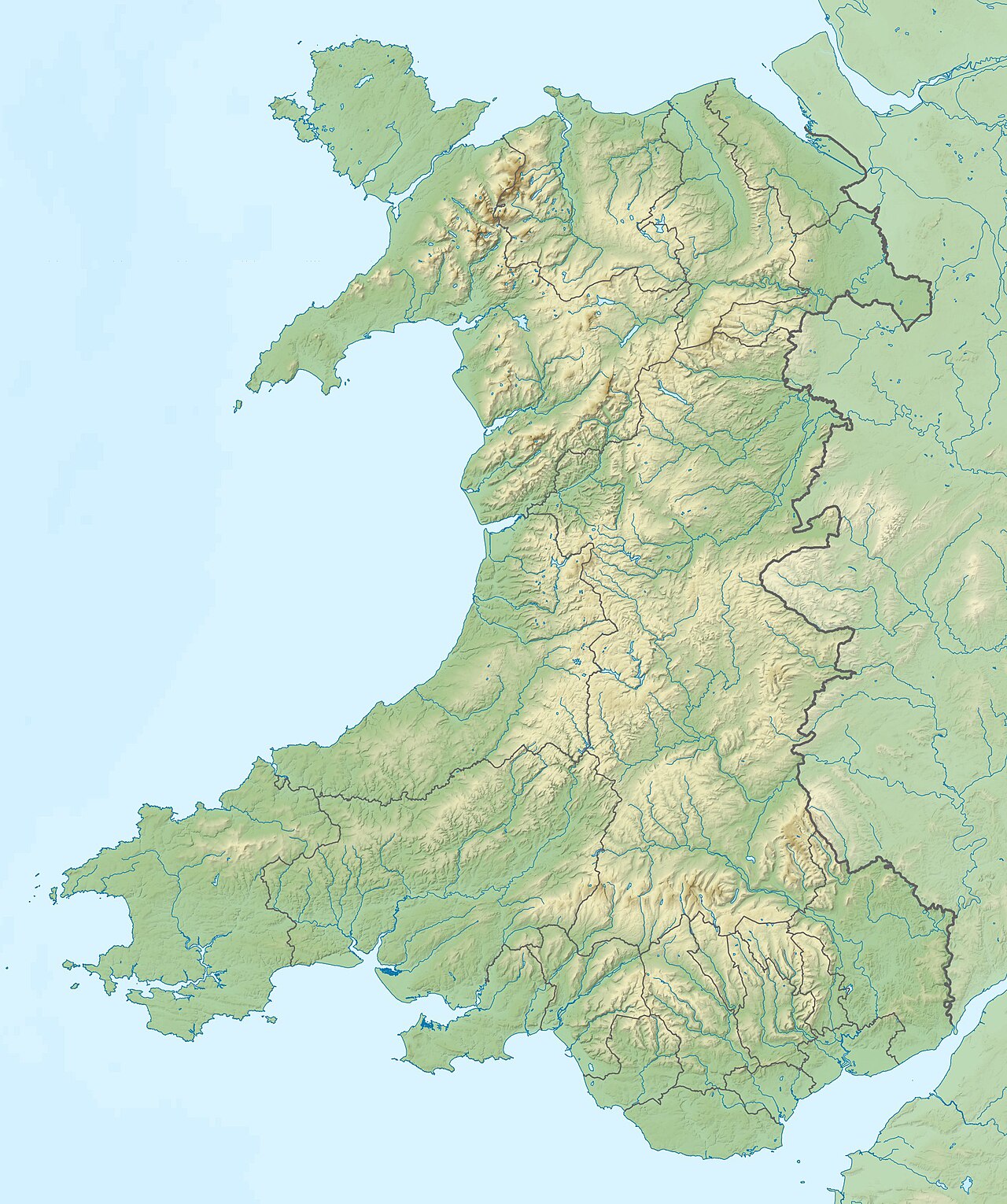


Course and landscape
The source area lies in the uplands near Tregaron, where rainfall collects into small streams and wetlands. Early in its course the river passes through the expansive wetland known locally as Tregaron bog, a peatland that moderates flow and helps prevent sudden flooding downstream. From there the Teifi flows past small towns and villages, including Lampeter and Newcastle Emlyn, before cutting through a steep-sided gorge near Cilgerran and finally broadening into the tidal estuary at Cardigan.
Hydrology and the role of wetlands
Peat bogs and floodplain marshes in the upper catchment act as natural sponges. During heavy rain they store water and release it slowly, reducing the likelihood of extreme high flows; in dry periods they act as a reserve that maintains baseflow. These natural flood management functions are increasingly appreciated for both biodiversity and downstream flood risk reduction.
Ecology and conservation
The Teifi supports a variety of fish and other aquatic life. Populations of Atlantic salmon and brown trout are among the notable species found in the river, and the riverine corridor supports otters, water birds and diverse invertebrate communities. Many sections of the river and its associated habitats have formal conservation recognition and management because of their ecological importance; these measures aim to protect water quality, wildlife and riverine habitats from damaging activities. Typical species often highlighted include:
- Salmon — important for migration and spawning.
- Trout — resident brown trout and sea trout use different parts of the system.
- Otters, aquatic invertebrates and wetland plants that rely on clean, well-oxygenated water.
Because of its wildlife and habitat values the river has been afforded special protection through conservation designations and local management initiatives to limit damage and encourage recovery where needed. See further information on conservation designation and measures in place.
People, uses and cultural importance
The Teifi has long been important to people who live along its banks. Traditional activities include angling for salmon and trout, small-scale milling in historic times, and navigation of the lower estuary. A distinctive cultural feature is the continued use of the coracle, a small, rounded lightweight boat used for centuries on Welsh rivers; coracle fishing for salmon is still practised and celebrated as part of local heritage (coracles). Recreational pursuits such as walking, birdwatching and canoeing also draw visitors to the valley.
Visiting and notable facts
The river corridor offers a range of landscapes in a compact area: upland bog and moor, pastoral lowlands, wooded valleys, a dramatic gorge at Cilgerran and a tidal estuary. Visitors should follow local guidance to protect sensitive habitats, particularly peatlands and spawning reaches. For practical plans and local information, many resources produced by communities and conservation groups describe access points, seasonal considerations and volunteering opportunities.
Summary
The River Teifi is valued for its natural character, good water quality and the wildlife it supports. Natural flood mitigation provided by wetlands, a long cultural association including coracle fishing, and ongoing conservation efforts make it an important river in west Wales both ecologically and culturally.
Further reading and local resources: Tregaron bog, salmon ecology, trout and sea trout, conservation designation, Lampeter, coracle tradition.
Questions and answers
Q: Where does the River Teifi start?
A: The River Teifi starts in the hills above the town of Tregaron in west Wales.
Q: What is the large marsh called that the River Teifi flows into?
A: The large marsh that the River Teifi flows into is called Tregaron bog.
Q: What is the purpose of Tregaron bog?
A: Tregaron bog helps to stop flow in the river being too extreme. It stores up flood water when it is raining hard and it lets water go during dry weather.
Q: What kind of wildlife does the River Teifi support?
A: The River Teifi supports lots of wild-life including Salmon and Trout.
Q: Has the whole River Teifi been given special protection?
A: Yes, the whole river has been given special protection by scientists to stop it being damaged due to the special wildlife that it supports.
Q: Which towns does the River Teifi pass through before it reaches the sea?
A: The River Teifi passes through small towns such as Lampeter and Newcastle Emlyn before it reaches the sea at Cardigan.
Q: What is the name of the deep gorge that the River Teifi runs through before it reaches Cardigan?
A: The deep gorge that the River Teifi runs through before it reaches Cardigan is called Cigerran Gorge. Some people still fish for Salmon here using a very ancient boat called a Coracle.
Related articles
Author
AlegsaOnline.com River Teifi — river of west Wales Leandro Alegsa
URL: https://en.alegsaonline.com/art/83132