
Limerick — city on the River Shannon in Ireland
Limerick is a midwestern Irish city on the River Shannon, county seat of County Limerick in Munster. It has medieval roots, modern universities and cultural landmarks, and a distinctive urban identity.
Limerick is a city in the west of Ireland situated on the River Shannon. It functions as the administrative centre of County Limerick and lies within the historical province of Munster. The settlement occupies a strategic crossing of the Shannon and has long acted as a regional hub for commerce, education and transport in Ireland. Modern demographic counts put its urban population around the tens of thousands, with earlier censuses in the early 21st century reporting figures near 90,000 for the wider urban area (2006 data).
Name and origins: The city's Irish name is Luimneach, traditionally linked to the phrase Lom na nEach meaning "the bare place of the horses". Archaeological and documentary evidence indicate successive settlements in the area from early medieval times, and the location on the Shannon made it attractive to river trade, fishing and later urban development.
Geography and transport: Limerick occupies both banks of the River Shannon with several main crossing points close to the central business district. The river and its estuary shaped the city's port functions and influenced industrial and residential growth. The local landscape blends riverside quays, urban streets and suburban suburbs that connect to national road and rail networks, linking Limerick to other parts of Ireland and to the Shannon estuary.
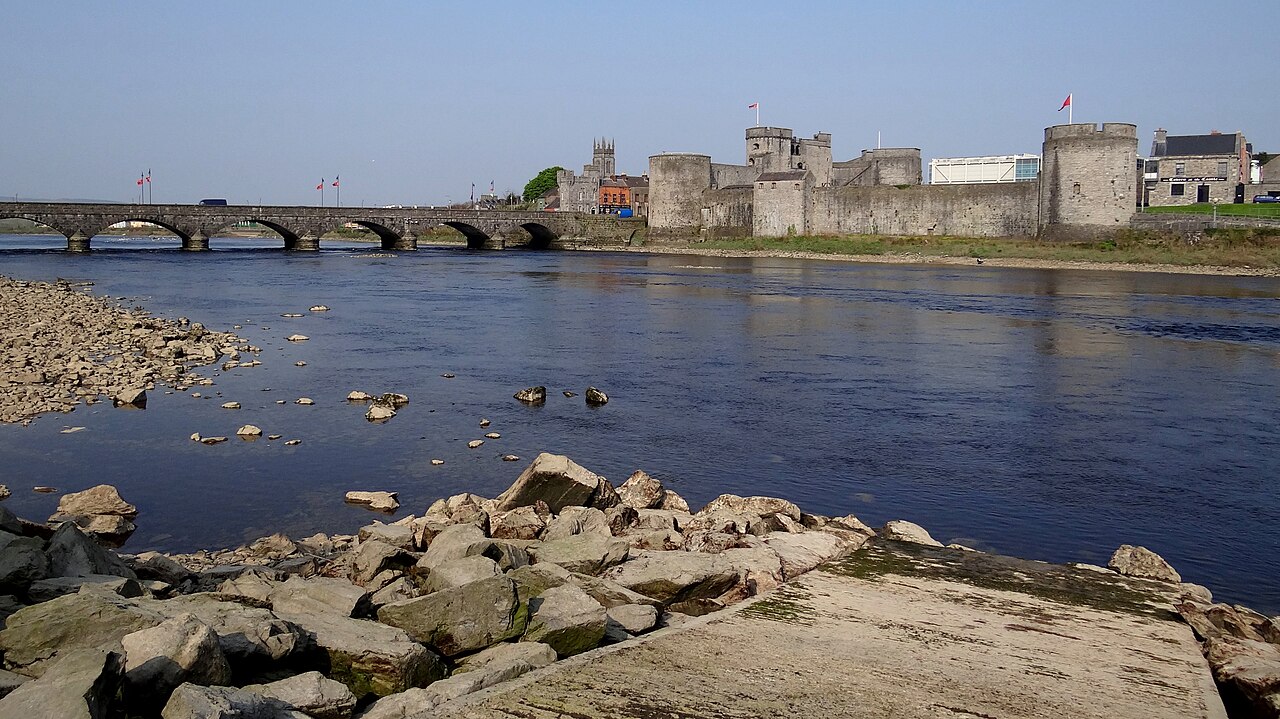
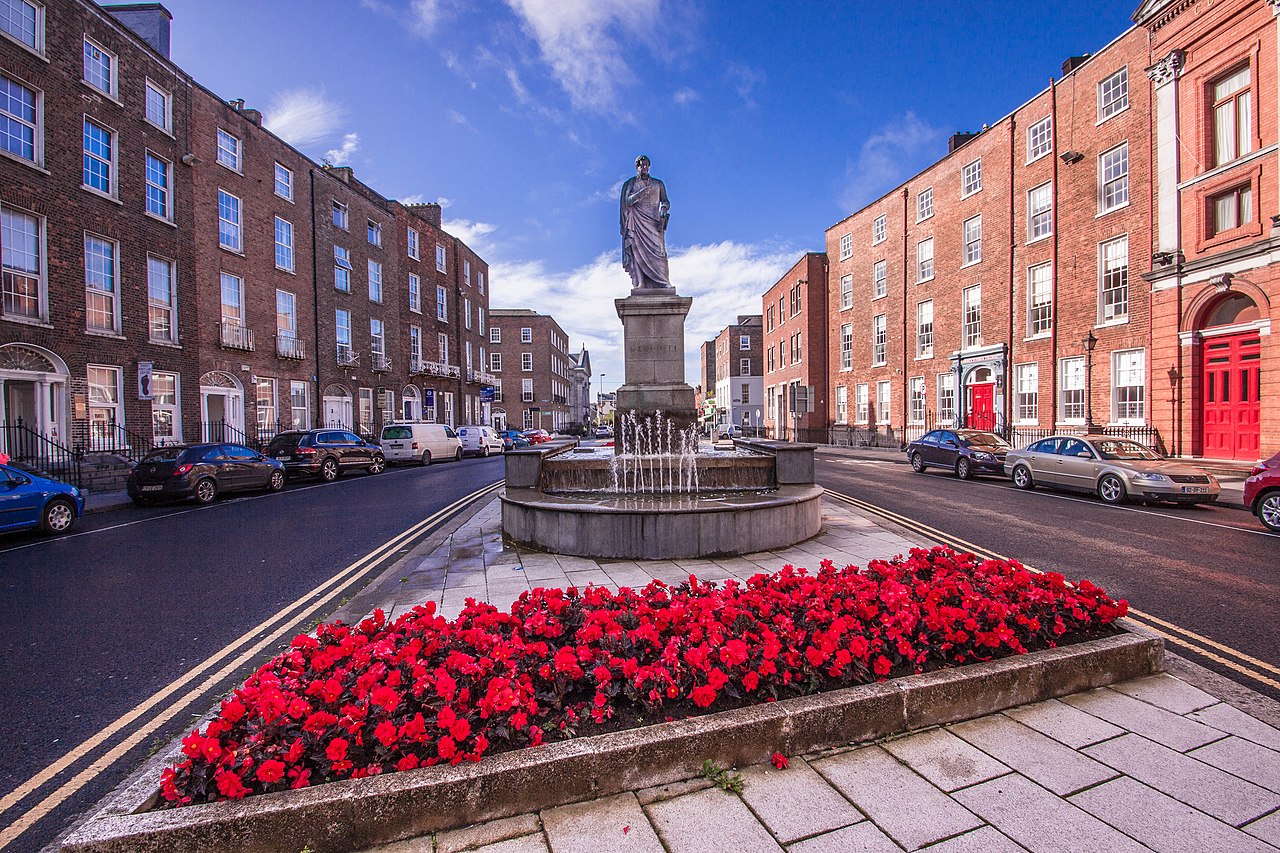
History and architecture: Limerick has a long recorded history as a fortified town. Remains of medieval fortifications, including the well-known King John's Castle, recall Norman and later periods of urban defence and trade. The city also preserves Georgian terraces, ecclesiastical buildings and sites that reflect phases of expansion in the 18th and 19th centuries. Its past includes episodes of military siege, civic reform and commercial reinvention.
Culture, education and economy: Today Limerick hosts cultural institutions, museums and higher education establishments that shape its contemporary identity. The University of Limerick and other institutes contribute to research, sports and arts. The city is associated with rugby and Thomond Park, as well as galleries and festivals that support tourism and local enterprise. Visitor attractions and civic projects play a role in urban regeneration and in attracting investment.
Image gallery
10 Images




Notable features
- River Shannon crossings and quayside areas
- Historic site: King John's Castle and medieval walls
- Higher education and cultural venues including the university and museums
- Sports and events, notably rugby at Thomond Park
- Georgian architecture and riverside redevelopment
Distinctive facts: The five-line comic poem called the "limerick" in English is commonly associated with the city's name, though the exact origin of the verse-form's name is uncertain. Limerick continues to balance historic character with modern urban needs, and its riverside setting remains central to local life and identity (urban summary, regional context).
Related articles
Author
AlegsaOnline.com Limerick — city on the River Shannon in Ireland Leandro Alegsa
URL: https://en.alegsaonline.com/art/58080
Sources
- limerick.com : "Limerick City Motto"
- limerick.ie : "The Mayor of Limerick City, Limerick City Council"
- cso.ie : "cso.ie"