
River Leam
River in central England rising at Hellidon Hill, flowing through Warwickshire (including Leamington Spa) and joining the Warwickshire Avon, a tributary of the River Severn.
Overview
The River Leam (also spelled Leame) is a small river in central England that rises near Hellidon Hill in Northamptonshire and flows westwards into Warwickshire. It is best known for passing through the town of Royal Leamington Spa and for its contribution to the Avon–Severn river system. Although not a major navigation route, the Leam has played a local role in settlement, industry and landscape character for centuries.
Image gallery
2 Images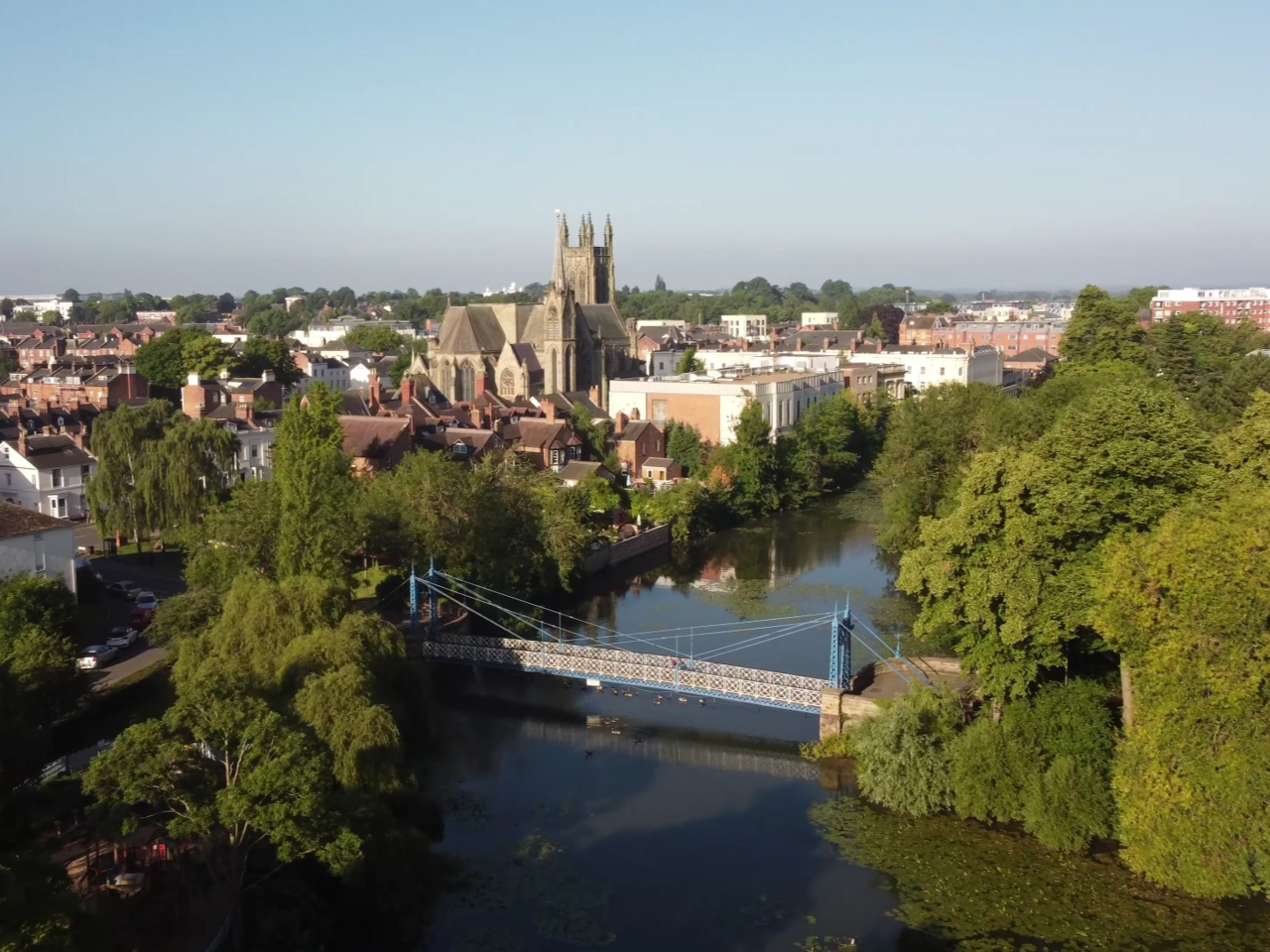

Course and principal features
The river's headwaters begin on the higher ground around Hellidon Hill and it descends through pastoral countryside into the Avon basin. On its course it traverses both rural and urban environments in Warwickshire, passing through smaller villages and the larger spa town. The Leam joins the Warwickshire Avon, itself a left‑bank tributary of the River Severn. General characteristics include a modest flow, gravel and silty beds in places, and a series of small weirs and millponds that reflect historic human use.
Towns, tributaries and uses
Key settlements and connections along the river include:
- River Leam through Royal Leamington Spa — the town grew up beside the river and nearby springs;
- several smaller villages that historically used the water for mills and agriculture;
- tributary streams and drainage channels that feed the Leam and help manage local runoff.
History and human impact
Historically the Leam powered watermills and influenced road and settlement patterns. In the 18th and 19th centuries the presence of spa springs near the river encouraged the growth of Leamington Spa as a health resort. Over time agriculture, urban expansion and small-scale industry affected water quality and channel form, prompting modern interest in river restoration and flood management.
Ecology and conservation
The Leam supports typical lowland river wildlife — aquatic plants, invertebrates and fish species common to English rivers — and its riparian zones provide habitat for birds and mammals. Conservation efforts focus on improving water quality, reconnecting floodplain habitats and managing invasive species. Local authorities and community groups cooperate on monitoring and practical restoration measures to preserve the river's ecological value and reduce flood risk.
Related articles
Author
AlegsaOnline.com River Leam Leandro Alegsa
URL: https://en.alegsaonline.com/art/83112