
River Liffey (An Life) — the river through Dublin
The River Liffey rises in the Wicklow uplands and flows east through Dublin into Dublin Bay. Central to the city's history, water supply, bridges, ecology, recreation and flood management.
Overview
The River Liffey (Irish: An Life) is the principal river crossing the city of Dublin and entering the Irish Sea at Dublin Bay. It rises in the uplands to the south of the capital and flows generally eastward. The lower Liffey forms a tidal estuary while upper reaches are freshwater. The river and its quays have shaped the geography, economy and identity of the city and its suburbs.
Image gallery
10 Images

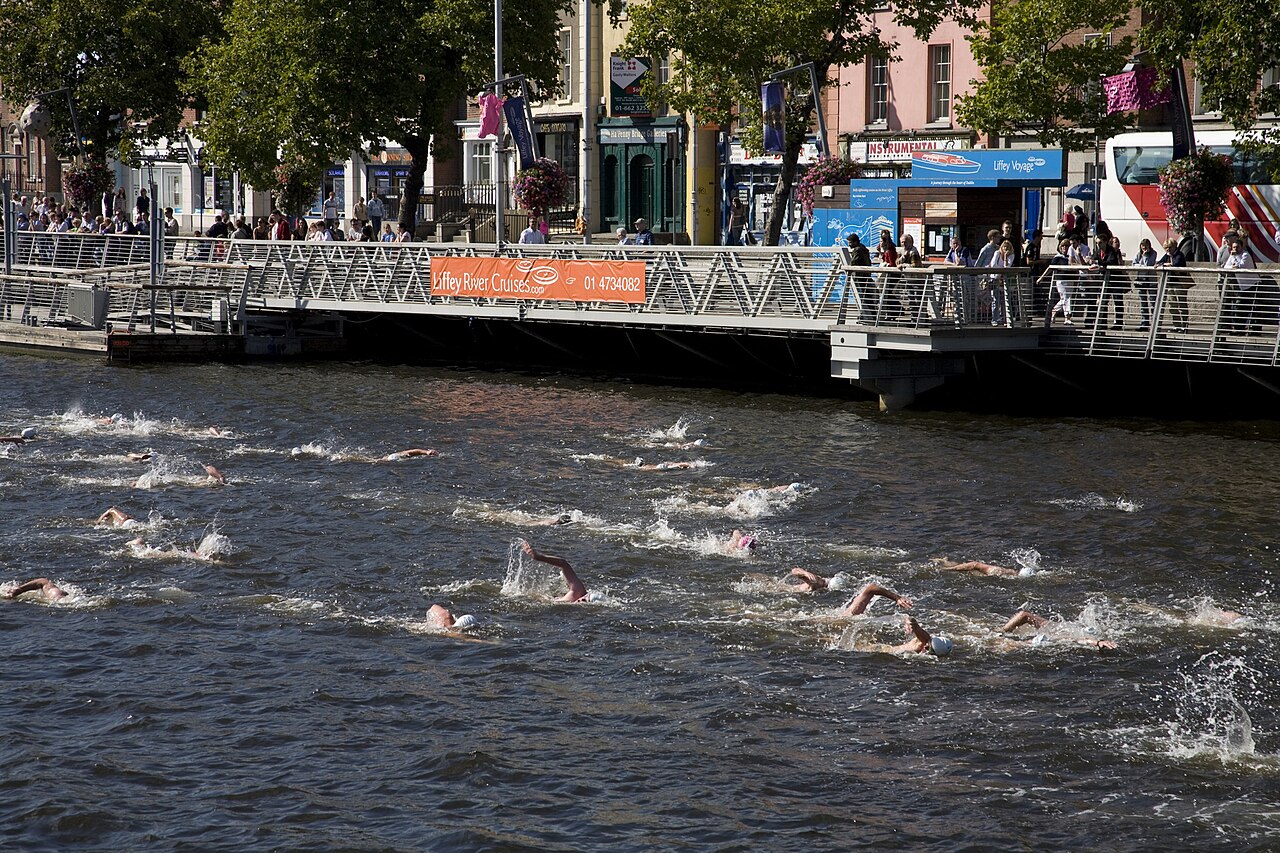

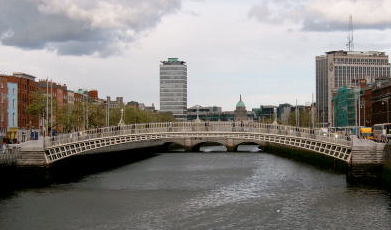


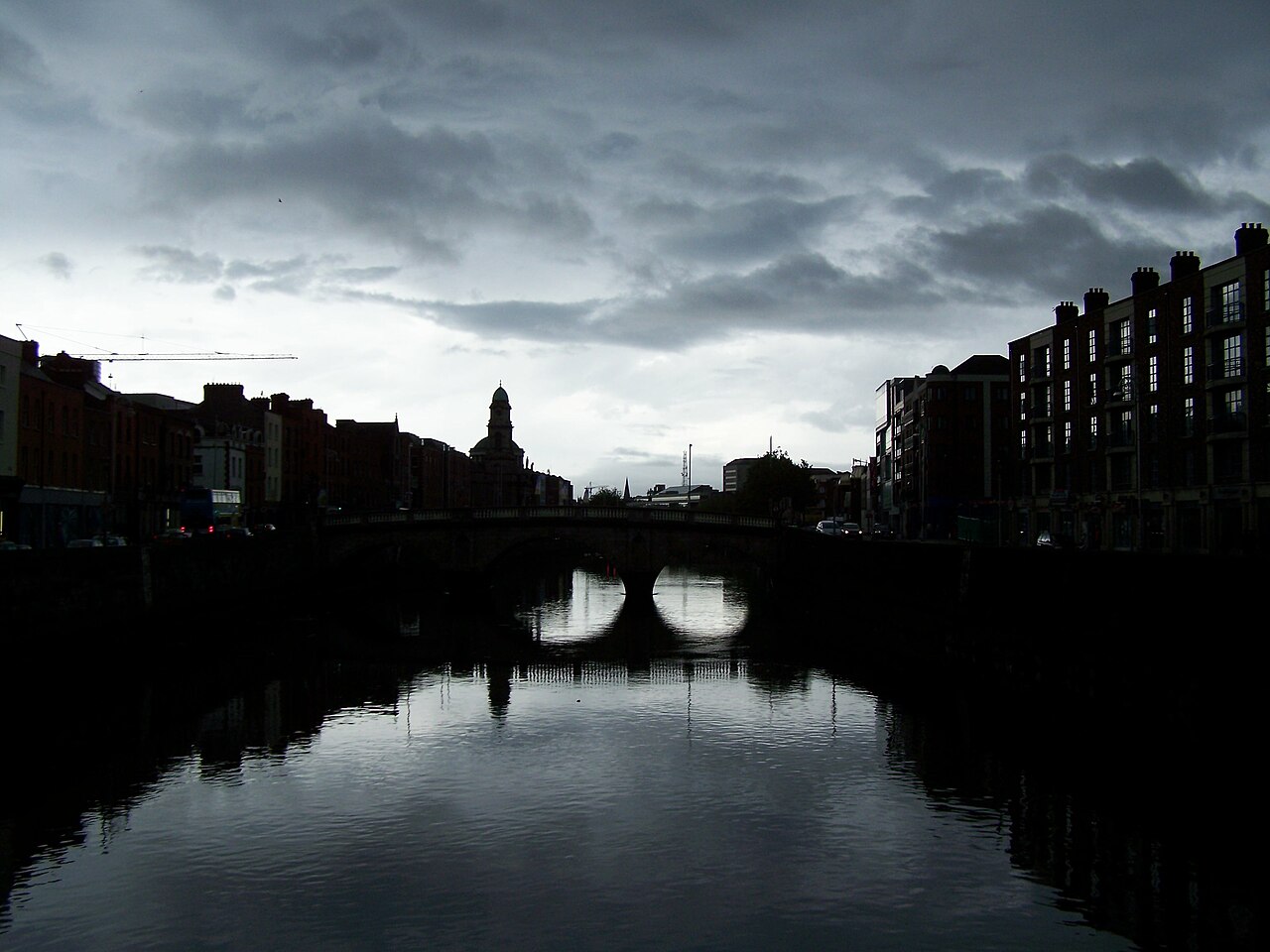

Course and main features
The Liffey runs from rural headwaters through reservoirs and impoundments that contribute to the region's water supply, then through suburban and urban reaches into a broad estuary. Reservoirs such as those associated with the Poulaphouca/Blessington system help regulate flow and supply water to the greater Dublin area. The lower river is used by leisure craft and sightseeing vessels, while upstream sections have historically powered mills.
Tributaries and structures
Several smaller rivers and streams join the Liffey and influence its flow regime. Notable tributaries include the River Dodder, the River Poddle and the River Camac. The river is lined by many bridges of differing ages and styles: historic pedestrian bridges, 19th-century road bridges and modern vehicular and rail crossings. Landmarks often mentioned by residents and visitors include the Ha'penny Bridge and O'Connell Bridge.
History, culture and management
The Liffey has been central to Dublin's history from early settlement and Viking trade through later industrial growth. It acts as a social and symbolic divide between north and south sides of the city, and has long inspired writers, artists and public events. Contemporary management focuses on improving water quality, protecting migratory fish such as salmon and trout where present, managing flood risk and enhancing riverfront access. Conservation and urban riverbank projects aim to restore habitats and provide recreational space for local communities.
For national and local context, consult resources on Ireland and the city of Dublin.
Questions and answers
Q: What is the River Liffey?
A: The River Liffey is a river in Ireland that flows through the centre of Dublin.
Q: What is the Irish name for the River Liffey?
A: The Irish name for the River Liffey is An Life.
Q: What is the significance of the River Liffey for Dublin?
A: The River Liffey supplies much of Dublin's water.
Q: Which are the major rivers that flow into the River Liffey?
A: The major rivers that flow into the River Liffey are the River Dodder, the River Poddle, and the River Camac.
Q: What is the importance of the River Dodder, the River Poddle, and the River Camac for the River Liffey?
A: The River Dodder, the River Poddle, and the River Camac are major rivers that flow into the River Liffey.
Q: Where does the River Liffey flow through?
A: The River Liffey flows through the centre of Dublin.
Q: What is the meaning of the name Liffey?
A: The meaning of the name Liffey is not provided in the given text.
Related articles
Author
AlegsaOnline.com River Liffey (An Life) — the river through Dublin Leandro Alegsa
URL: https://en.alegsaonline.com/art/83115
Sources
- commons.wikimedia.org : Liffey
- dublincastle.ie : Dublin Castle - Prehistoric Dublin - Chapter 1
- historical-debates.oireachtas.ie : Seanad Éireann - Vol 159, May, 1999 - Motion on National Archives - David Norris (senator and Trinity lecturer) referencing Georgian Society records
- irishships.com : IrishShips.com - Background on the Guinness boats on the Liffey
- irishtimes.com : Irish Times - Samuel Beckett Bridge opens - 11 December 2009
- dublincity.ie : Dublin City Council - Samuel Beckett Bridge