
River mouth: where a river meets another body of water
A river mouth is the downstream end of a river or stream where it empties into another water body. This article explains forms, processes, ecological importance, human uses, and distinctions like estuaries and deltas.
Overview
A river mouth is the place where flowing freshwater from a stream or river enters another body of water, such as a larger river, a lake, a sea or the ocean. It marks the downstream limit of a drainage system and is shaped by the interaction of river flow, tides, waves and the receiving basin. The specific appearance and behavior of a river mouth vary widely with climate, geology and human modification.
Image gallery
4 Images

Characteristics and parts
Typical features associated with river mouths include channels or distributaries, sediment deposits (such as mouth bars), and transitional zones of salinity. Gradients in flow velocity, suspended sediment and nutrients produce distinct microenvironments. Tidal influence can push saltwater upriver, creating brackish zones, while outflowing freshwater forms plumes at the surface of the receiving water.
Types and formation processes
River mouths commonly develop into recognizable forms depending on sediment load and energy conditions. Two well-known types are:
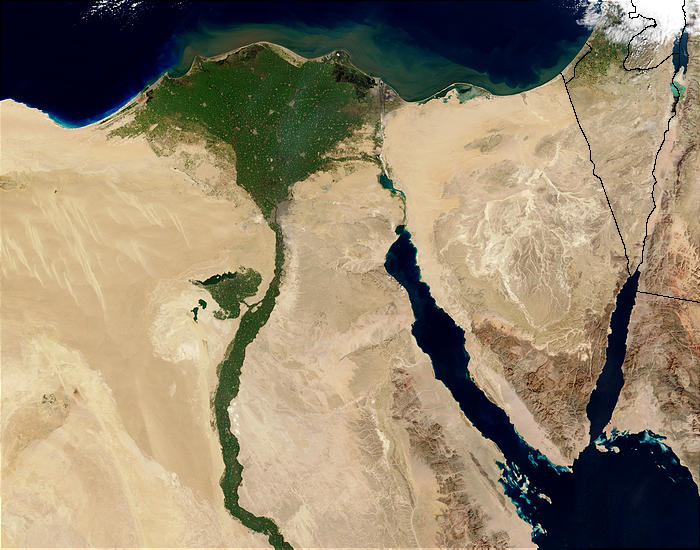
- Deltas – built where river-borne sediment accumulates faster than tides and waves can remove it, producing fan- or bird-foot-shaped landforms and multiple distributary channels.
- Estuaries – drowned river valleys where tidal mixing dominates, producing long, often deep channels with strong salinity gradients.
Other forms include tidal inlets, lagoonal mouths and fjorded outlets. Processes such as sediment deposition, erosion, tidal currents and sea-level change continually remodel the mouth over years to centuries.
Ecological and human importance
River mouths are biologically productive areas that support fish nurseries, bird habitat and rich benthic communities because of nutrient inputs and habitat diversity. They are also economically important: many ports and cities sit at mouths for access to inland navigation and marine trade. Conversely, mouths are sensitive to pollution, altered sediment supply from upstream dams, and coastal engineering.
Distinctions, examples and management
It is useful to distinguish a river mouth from a confluence (where two rivers meet) and from upstream features such as waterfalls. Famous examples illustrate variety: large deltas at major rivers supply wide coastal plains, while narrow estuarine mouths host important harbors. Management issues include balancing navigation, flood protection, habitat conservation and adapting to sea-level rise, often requiring integrated approaches across watershed and coastal jurisdictions.
For further general information see resources on streams, rivers and oceans via reputable sources linked above.
Related articles
Author
AlegsaOnline.com River mouth: where a river meets another body of water Leandro Alegsa
URL: https://en.alegsaonline.com/art/83118
Sources
- education.nationalgeographic.com : "Mouth"