
Clergy
Members of religious leadership who hold offices within faith communities; their roles, training, historical development, and variations across traditions.
The term clergy refers to people who hold official positions of religious leadership within a faith community, such as parish priests, rabbis, imams, monks, or ordained ministers. In many traditions clergy are charged with leading worship, performing rituals, and providing spiritual guidance to a congregation or institution.
Image gallery
10 Images


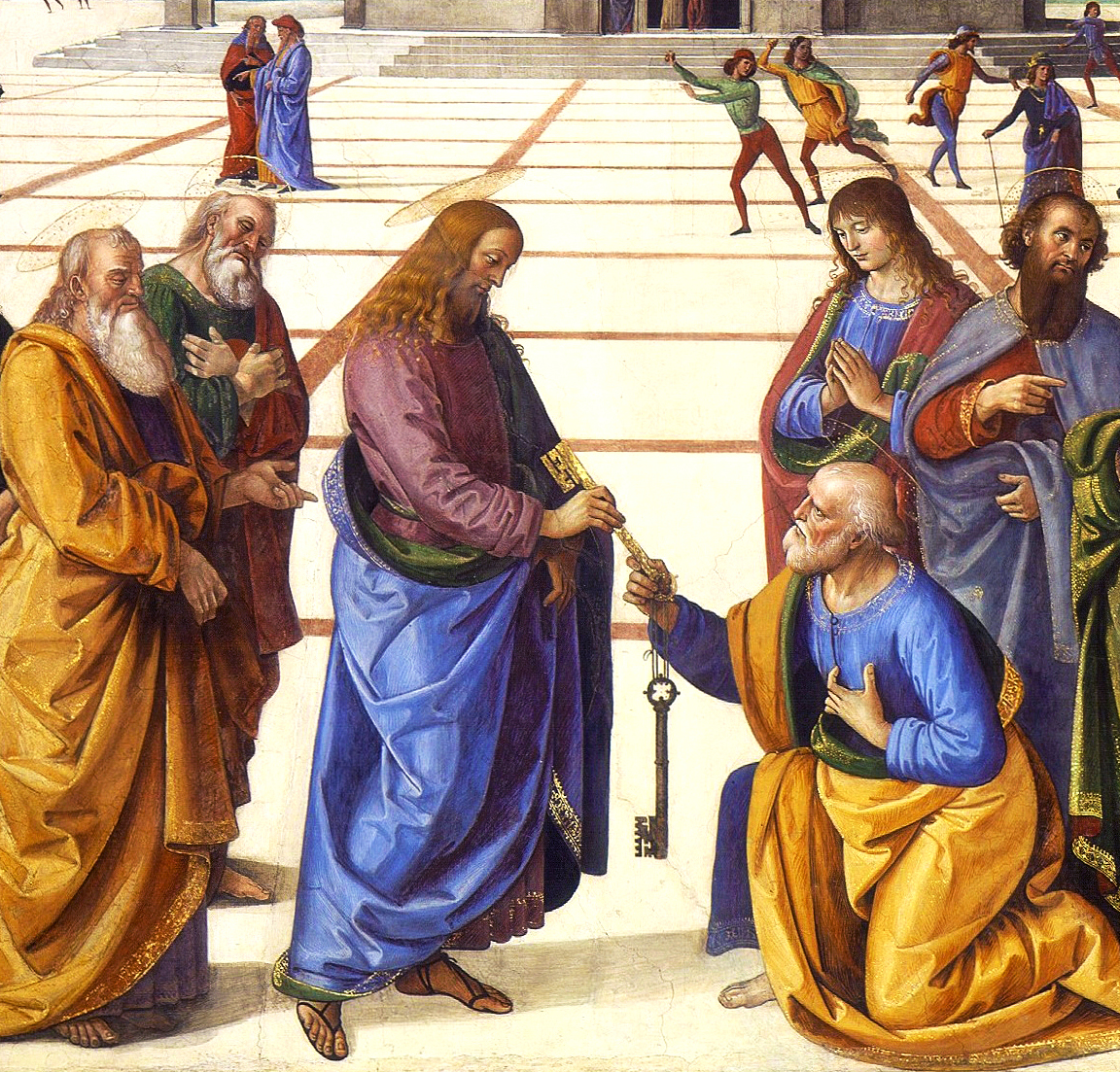


Roles and functions
Clerical duties typically include presiding over services, administering rites and sacraments, teaching doctrine, offering pastoral care and counseling, and managing religious institutions. Some clergy also act as chaplains in hospitals, prisons, the military, or schools, and may engage in public advocacy or community organizing.
- Worship leadership: conducting liturgies, prayers, and ceremonies.
- Rituals: performing marriages, funerals, baptisms, or equivalent rites.
- Pastoral care: counseling, visitation, and spiritual direction.
- Teaching & administration: education, record keeping, and governance.
Paths into the clergy vary. Some traditions require formal theological education at seminaries or comparable schools, while others emphasize apprenticeship, ordination examinations, or recognition by community elders. Many Christian denominations mark entry by a formal ordination ceremony; Jewish leaders may be invested after study in a yeshiva or rabbinical program; Muslim communities appoint imams based on learning and community trust.
Historically, clerical roles have evolved from temple and shrine specialists to organized hierarchies with distinctive legal and social status. In Christianity, distinctions developed between parish clergy who serve local congregations and monastic or regular clergy bound by vows. Across cultures, the boundaries between lay and clerical functions have shifted with social change.
Different religions and denominations organize clerical offices in diverse ways: bishops, priests, deacons, and pastors in many Christian churches; rabbis and cantors in Judaism; imams and scholars in Islam; priests and pujaris in Hindu contexts; granthis in Sikh practice. Debates over clergy eligibility, including the ordination of women, married clergy, and lay participation, remain important in contemporary religious life. For further institutional information see a general resource on religious structures at faith communities.
Related articles
Author
AlegsaOnline.com Clergy Leandro Alegsa
URL: https://en.alegsaonline.com/art/20923