
Ribonuclease (RNase) — enzymes that degrade RNA
Ribonucleases (RNases) are diverse enzymes that cleave RNA molecules. They participate in RNA processing, turnover, defense, and are essential across all domains of life and in laboratory practice.
Ribonuclease, commonly abbreviated RNase, denotes any enzyme that cleaves RNA molecules into smaller fragments. RNases range from single-purpose digestive enzymes to highly regulated components of gene expression pathways. As a class they are ubiquitous in bacteria, archaea and eukaryotes, reflecting the fundamental need to shape, recycle and control RNA populations within cells.
Image gallery
3 Images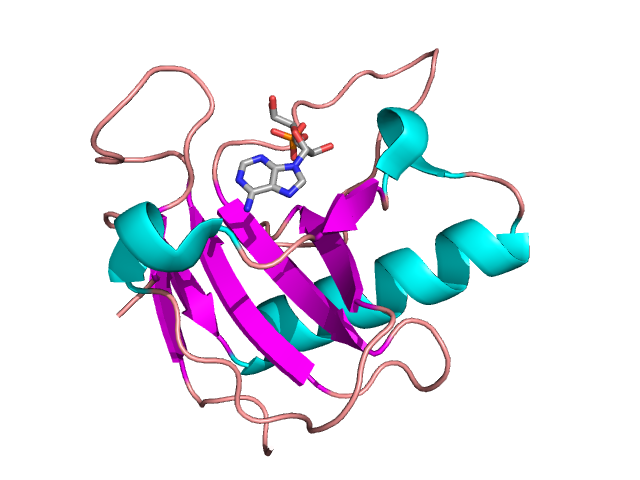

Structure and catalytic mechanisms
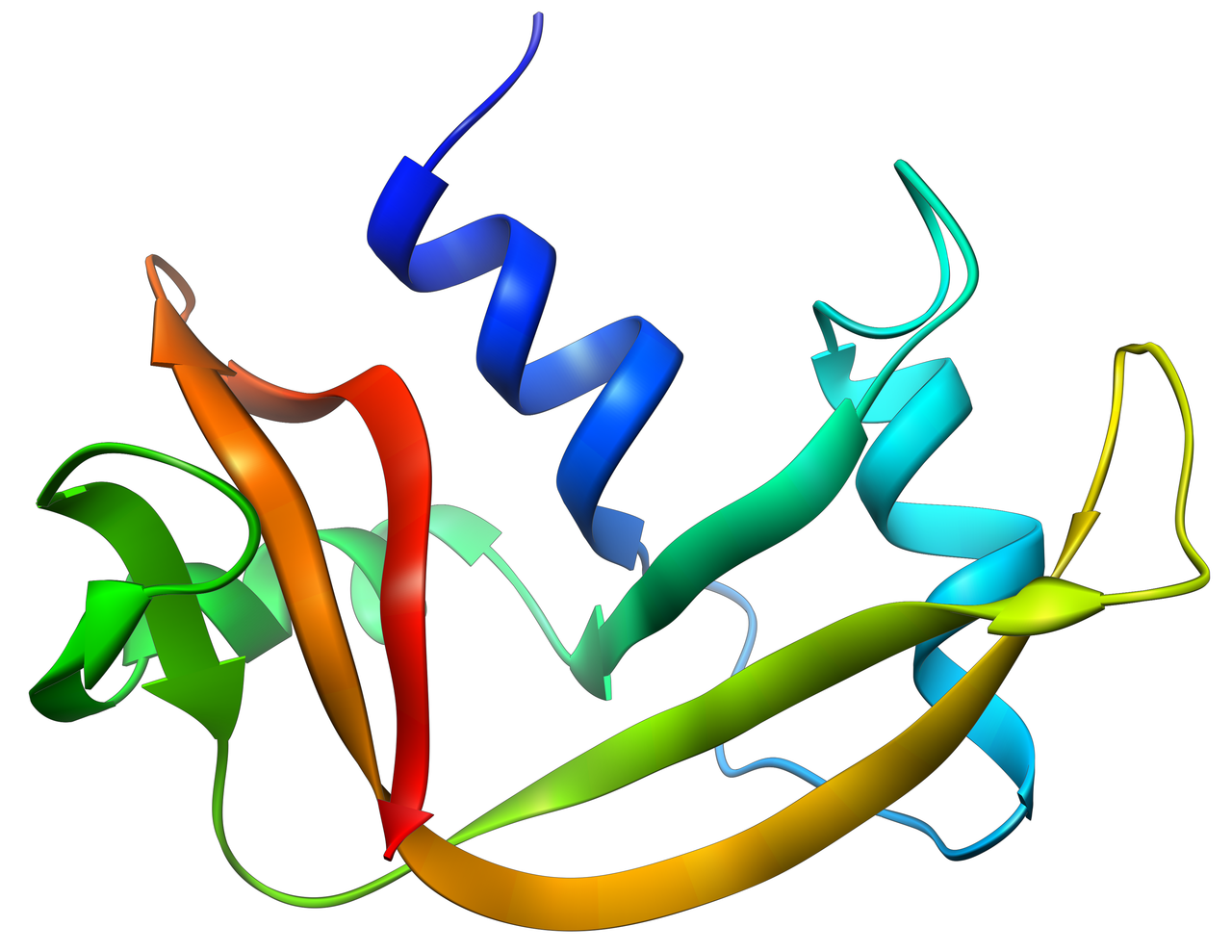
RNases vary in size and fold but share active-site features that promote phosphodiester bond hydrolysis. Some employ general acid–base catalysis (for example pancreatic RNase A family members), while others use metal ions (as in RNase H) to stabilize transition states. Substrate recognition can be sequence-specific or structure-dependent: certain RNases target single-stranded regions, double-stranded RNA, or specific precursor RNAs during maturation.
Biological roles and examples
RNases perform multiple cellular tasks, including degradation of faulty or excess transcripts, processing of tRNA and rRNA precursors, and participation in RNA interference and antiviral responses. Representative types include:
- Endoribonucleases (e.g., RNase III, Dicer) that cut within an RNA chain.
- Exoribonucleases (e.g., Xrn1, RNAse II) that trim from an end.
- Specialized enzymes like RNase P (tRNA maturation) and RNase H (removes RNA in RNA–DNA hybrids).
Historical and evolutionary context
RNase activity was among the early discoveries in enzymology and has been conserved and diversified throughout evolution. The presence of multiple, often redundant RNases in a single organism illustrates the importance of controlled RNA turnover for adaptability and regulation of gene expression.
Practical uses and significance
In research and medicine, RNases are both tools and targets: they are used experimentally to remove RNA from samples, to study RNA structure and function, and as models for enzymatic catalysis. Conversely, RNase inhibitors are essential in molecular biology to protect RNA during extraction. Therapeutically, engineered RNases have been explored for antiviral and anticancer applications.
Key distinctions and notable facts
Important distinctions include endonuclease versus exonuclease activity, sequence-specific versus non-specific cleavage, and intracellular versus secreted enzymes. RNases can be beneficial (RNA quality control) or deleterious (pathogen-derived RNases) depending on context. For general reference on enzymes see enzyme resources.
Related articles
Author
AlegsaOnline.com Ribonuclease (RNase) — enzymes that degrade RNA Leandro Alegsa
URL: https://en.alegsaonline.com/art/82591