
Riboflavin (Vitamin B2): function, sources, stability and uses
Riboflavin (vitamin B2) is a water‑soluble vitamin essential for energy metabolism, forming cofactors FMN/FAD. This article covers its roles, food sources, stability, production, deficiency and practical uses.
Overview
Riboflavin, commonly known as vitamin B2, is a water‑soluble nutrient that plays a central role in cellular energy production and redox chemistry. It belongs to the group of water-soluble vitamins and is required to form the biologically active cofactors flavin mononucleotide (FMN) and flavin adenine dinucleotide (FAD). These flavin cofactors participate in many oxidation–reduction reactions that help extract usable energy from food and support processes such as fatty acid oxidation and the electron transport chain. Without adequate riboflavin, the body’s ability to metabolize fats, carbohydrates and proteins is impaired, which can affect energy balance and other metabolic functions (energy metabolism).
Image gallery
3 Images

Physical and biological characteristics
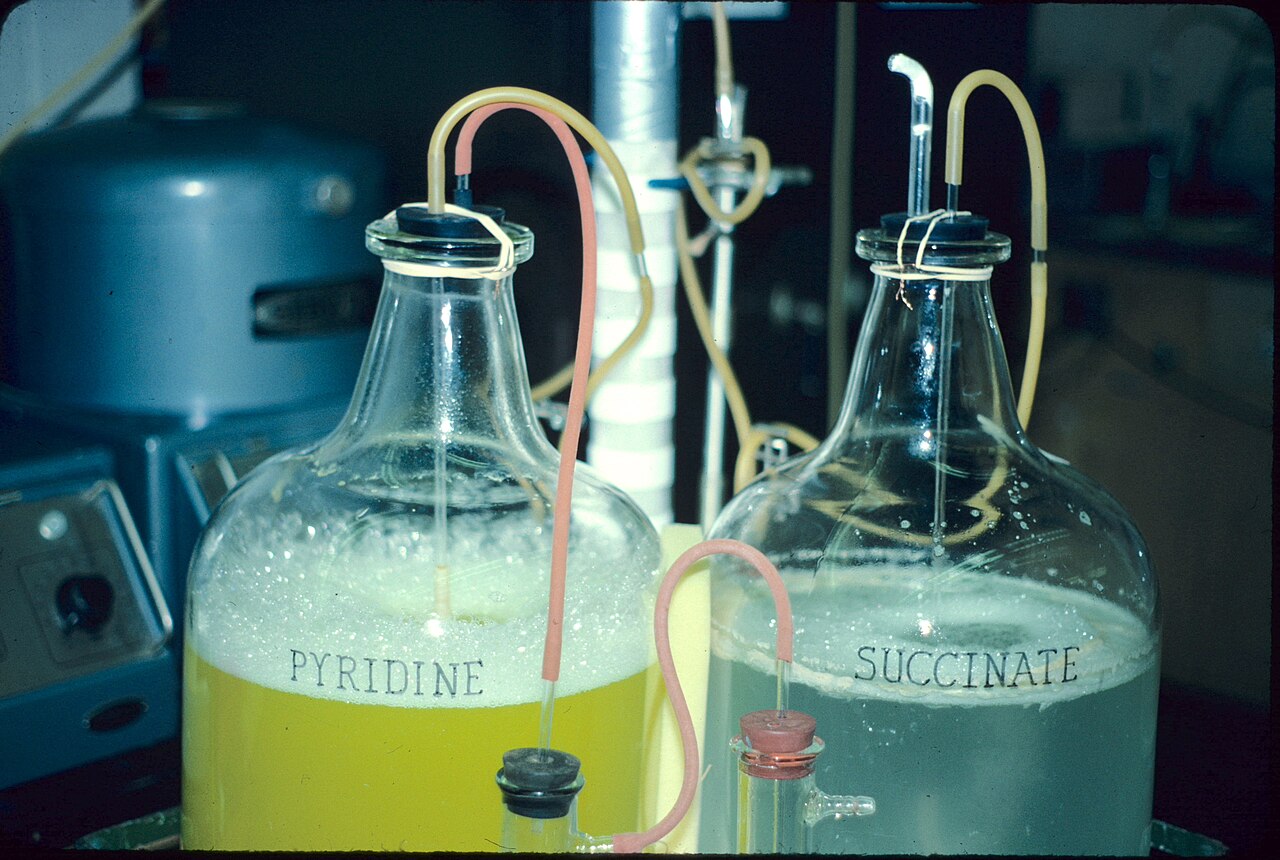
Riboflavin is a yellow to orange‑yellow compound; its color has practical implications because it can tint solutions and foods. In the body it is converted enzymatically into FMN and FAD, which bind to numerous dehydrogenases and oxidases. As a water‑soluble vitamin, riboflavin is absorbed in the small intestine and transported in the bloodstream, but it is not stored in large amounts; excess amounts are filtered by the kidneys and excreted in the urine, often producing a bright fluorescent yellow color. Riboflavin is sensitive to light: exposure to strong light can break down the molecule into derivatives that are biologically inactive, so storage and packaging that limit light exposure help preserve its activity (light can degrade the molecule, producing altered molecules).
Dietary sources
Riboflavin occurs widely in both animal and plant foods. A balanced diet normally provides sufficient amounts, but some populations rely on fortified products. Typical good sources include:
- Milk and many dairy products such as cottage cheese and yogurt.
- Cheese of various kinds.
- Green vegetables, e.g. leafy greens and chard.
- Organ meats such as liver, and other meats.
- Legumes and pulse crops: beans, peas and soybeans.
- Yeast and products derived from fermentation.
- Nuts and vegetables including almonds, asparagus, okra and eggs.
- Fish and certain fruits such as bananas are additional contributors.
Absorption, excess and interactions
After intestinal uptake, riboflavin is phosphorylated to FMN and further to FAD in tissues where it is needed. Because absorption is regulated, large oral doses are unlikely to cause toxicity: surplus riboflavin is generally excreted in urine. However, very high levels introduced directly into the bloodstream by injection can cause adverse effects in some circumstances. Light exposure during storage or food preparation can reduce riboflavin content, so opaque packaging or refrigerated, light‑protected storage helps retain vitamin activity.
Manufacture, fortification and uses
Riboflavin used in supplements and for industrial fortification is commonly produced by microbial fermentation. Manufacturers grow specialized strains of yeast, other fungi or bacteria that accumulate the vitamin, then purify it for use. Because of its natural color it can also serve as a food colorant (yellow-orange pigment). Fortification of staple foods—such as breakfast cereals, pasta, sauces and dairy‑based products—helps prevent deficiency in populations that might otherwise lack diverse diets. Much of the industrially produced riboflavin is used in dietary supplements and multivitamin formulations.
Deficiency, symptoms and public health
Riboflavin deficiency is uncommon where diets include dairy, meat, eggs and fortified grains, but it can occur in regions with limited food variety or in people with malabsorption. Clinical signs include mouth and lip inflammation (cheilosis), soreness of the tongue (glossitis), cracks at the corners of the mouth, seborrheic dermatitis and, in severe cases, anemia or eye sensitivity to light. Such conditions are treatable by restoring adequate dietary riboflavin and addressing underlying causes. Public health programs that add riboflavin to infant foods, cereals and common staples are effective ways to reduce deficiency‑related illness (deficiency diseases).
Notable facts and distinctions
Riboflavin is distinct among the B vitamins because of its prominent role as a flavin‑containing cofactor and its visible yellow color. While it is water soluble and not stored extensively, it is essential for a wide range of metabolic enzymes. Light sensitivity, ease of urinary excretion and microbial production for supplements are practical characteristics that influence how the vitamin is supplied and preserved in foods and medicines.
Questions and answers
Q: What is riboflavin?
A: Riboflavin is a B vitamin (vitamin B2) that dissolves in water.
Q: How does the body use riboflavin?
A: The body needs riboflavin and other B vitamins to get energy from food, as it helps the body use fats, carbohydrates, and proteins.
Q: What foods are rich in riboflavin?
A: Foods that are rich in riboflavin include milk, cheese, leafy green vegetables, liver, beans peas and soybeans, yeast, almonds, asparagus bananas okra chard cottage cheese yogurt meat eggs fish.
Q: What happens if someone has too much riboflavin?
A: If someone has too much riboflavin their urine will become bright fluorescent yellow. Injections with too much riboflavin can make one sick.
Q: How do industrial companies produce Vitamin B2 for vitamin pills or to add to foods?
A: Industrial companies grow special yeasts, other fungi or bacteria that make a lot of riboflavin which they then use for Vitamin B2 for vitamin pills or to add to foods.
Q: Why do people fortify food with extra riboflvain?
A: People fortify food with extra ribbonflavin to prevent deficiency diseases caused by not having enough of it in their diet. It is also used as a food coloring agent due its yellow or orange-yellow hue.
Related articles
Author
AlegsaOnline.com Riboflavin (Vitamin B2): function, sources, stability and uses Leandro Alegsa
URL: https://en.alegsaonline.com/art/82590
Sources
- ncbi.nlm.nih.gov : PMID 8604671