
Ribose: structure, biological roles, and uses of the five‑carbon sugar
Ribose is a five‑carbon monosaccharide central to RNA, nucleotides, and cellular energy metabolism. D‑ribose is used as a dietary supplement; biological, structural, and clinical roles differ from deoxyribose.
Overview
Ribose is a naturally occurring five‑carbon monosaccharide that forms the backbone of ribonucleic acid. Often described generically as a five‑carbon sugar, the biologically active form is D‑ribose. It appears in multiple cellular molecules beyond RNA, where it links phosphate groups and nitrogenous bases to create nucleotides.
Image gallery
9 Images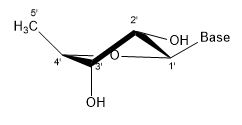


Structure and chemical properties
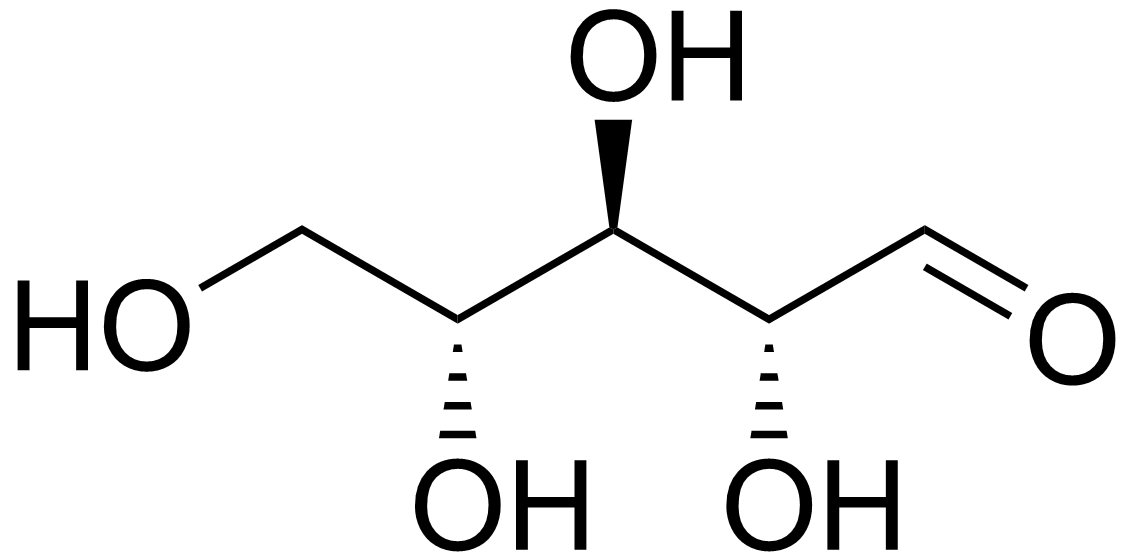
Chemically, ribose has the formula C5H10O5 and exists in open‑chain and ring (furanose and pyranose) forms. In nucleotides the ring form predominates and the 1' carbon connects to a base while the 5' carbon bears phosphate groups. Its stereochemistry distinguishes D‑ribose as the form used in metabolism; the related sugar deoxyribose lacks an oxygen atom at the 2' position and is the sugar in DNA.
Biological roles and metabolism
Ribose is a core component of RNA and of many cofactors and energy carriers such as ATP, ADP, AMP, NAD(H), and FAD. Cells synthesize ribose via the pentose phosphate pathway and salvage pathways that recycle bases into nucleotides. Because ribose is central to nucleotide and energy chemistry, it plays a key role in replication, transcription, and cellular energy transfer.
Uses, supplements, and clinical notes
D‑ribose is marketed as a dietary supplement for perceived benefits in energy recovery, chronic fatigue syndromes, and exercise tolerance. Some users with conditions such as fibromyalgia report reduced fatigue and improved well‑being, and limited clinical research has investigated these effects. Evidence remains mixed and incomplete; supplements should be used cautiously, especially by people with diabetes or those taking medications that affect blood sugar or metabolism.
Distinctions and notable facts
- Ribose vs deoxyribose: substitution at the 2' carbon changes chemical reactivity and stability of RNA versus DNA.
- In nucleic acids, the ribose 2'‑hydroxyl contributes to RNA's greater chemical reactivity and propensity for secondary structure.
- Biotechnological and laboratory contexts use ribose-containing nucleotides and analogs for sequencing, synthesis, and enzymatic studies.
Further reading
For introductory chemistry and biochemical context see sources on carbohydrate chemistry and nucleotide metabolism: carbohydrate chemistry, RNA biology. More clinical or supplement guidance should come from healthcare professionals and up‑to‑date clinical reviews.
Related articles
Author
AlegsaOnline.com Ribose: structure, biological roles, and uses of the five‑carbon sugar Leandro Alegsa
URL: https://en.alegsaonline.com/art/82592