
Ricin
Ricin is a potent plant-derived protein toxin from castor seeds that blocks protein synthesis. This article explains its properties, mechanisms, history, routes of exposure, notable incidents, and safety considerations.
Overview
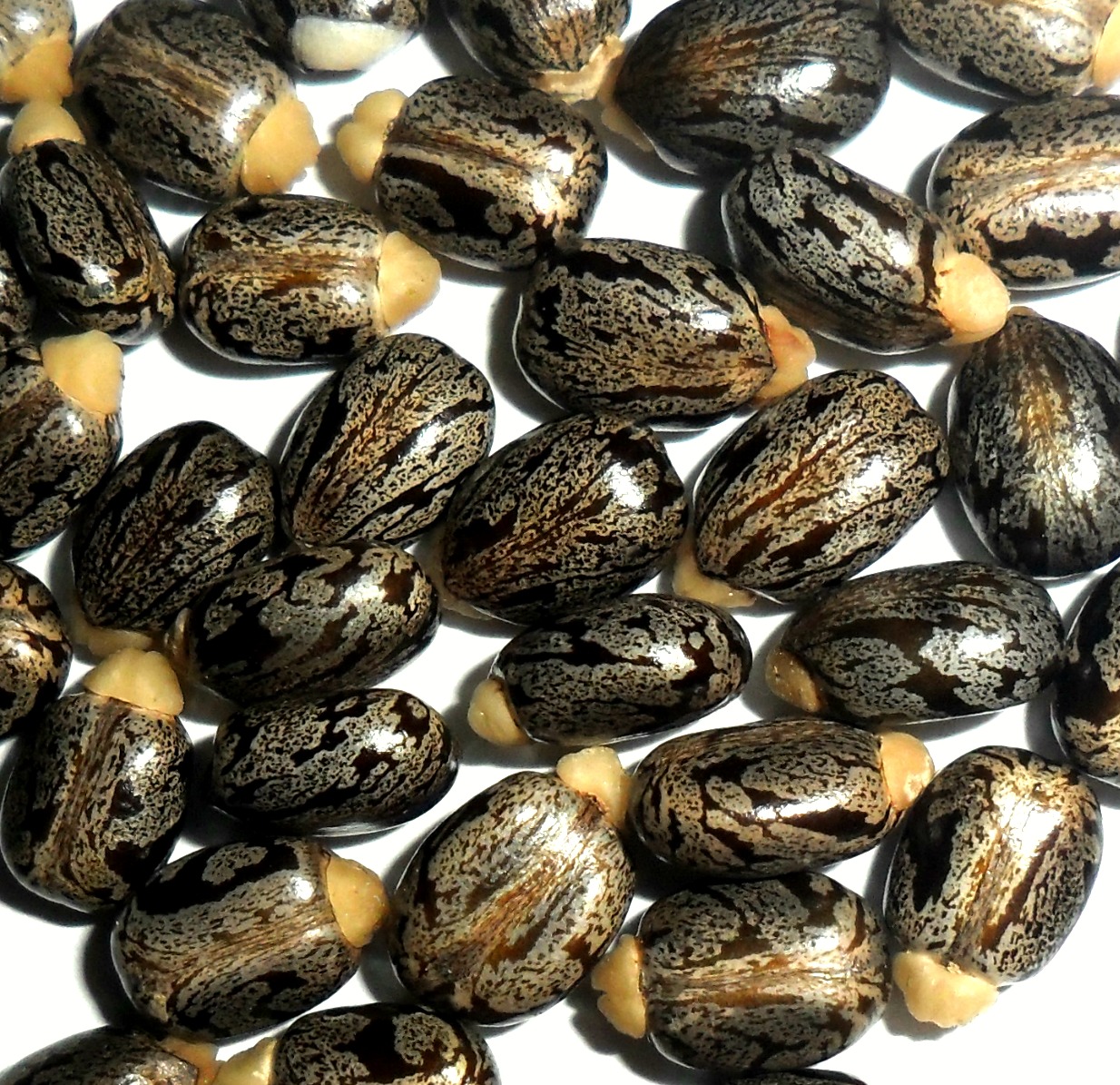
Ricin is a naturally occurring toxic protein found in the seeds of the castor oil plant, Ricinus communis. It belongs to a class of substances known as ribosome-inactivating proteins and is regarded as highly poisonous to humans and many animals. Although it is a plant product, ricin's mechanism of action is biochemical rather than microbial: it interferes directly with cellular machinery that makes proteins.
Image gallery
6 Images


Characteristics and mechanism
Structurally, ricin is a two-part protein. One portion binds to cell surfaces and promotes entry, while the other inhibits the ribosome, preventing cells from assembling amino acids into proteins. This interruption of protein synthesis leads to cell death and, at sufficient doses, organ failure. Because ricin is a protein, its effects depend on how it enters the body: inhaled or injected ricin is far more dangerous than ricin that is swallowed, since digestive processes degrade much of the protein.
Routes of exposure and effects
Common routes of human exposure are ingestion, inhalation, and parenteral introduction (injection). Symptoms vary by route but may include nausea, vomiting, abdominal pain and diarrhea after ingestion; respiratory distress, cough and pulmonary edema after inhalation; and severe localized tissue damage and systemic collapse after injection. The approximate amount required to cause fatal poisoning is small by inhalation or injection—on the order of micrograms per kilogram in experimental estimates—while oral lethal doses are considerably higher. For practical safety, even tiny amounts warrant serious medical attention.
History and notable incidents
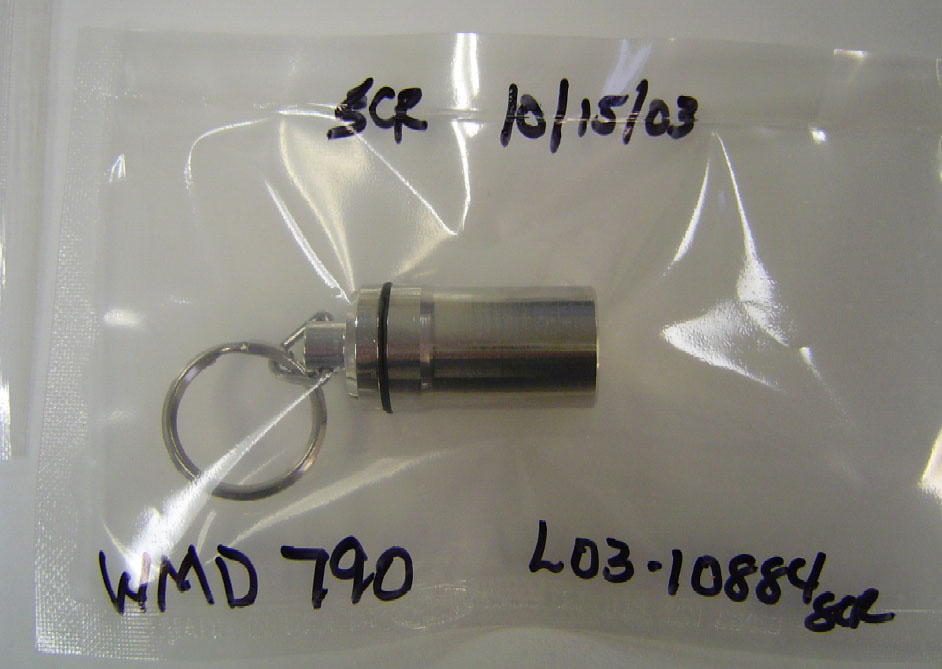
Ricin has a recorded history as a toxic substance since castor plants were used in folk remedies and poisons. In the modern era it has been associated with criminal and terrorist misuse because it is a potent toxin that can be extracted from the by-products of castor oil production. One of the best-known cases is the 1978 assassination of Georgi Markov, an incident often cited in discussions of ricin as a weapon; that event and related investigations have been the subject of extensive reporting and analysis. Other attempted uses have been thwarted or limited by the practical difficulties of dispersal and control.
Uses, risks, and regulation
Outside malicious contexts, ricin and related ribosome-inactivating proteins are studied in laboratories for cell biology and cancer research, because they can be linked to targeting molecules to create experimental tools. However, possession, production and transfer of purified ricin are controlled in many jurisdictions because of the human health risks. Industrial castor oil production leaves behind waste mash that contains ricin, and proper handling and disposal reduce accidental exposures.
Important distinctions and safety notes
- Ricin is a protein toxin, not a chemical nerve agent; its biological target is the ribosome rather than nervous system receptors.
- Castor oil itself is free of ricin when properly processed; the toxin is concentrated in the seed pulp.
- Medical treatment is supportive and symptomatic; there is no widely available, specific antidote for ricin poisoning in routine clinical use.
For further technical background on ricin as a protein toxin, and on the plant source, see information about the castor oil plant. For clinical and forensic descriptions of exposure by injection and inhalation, consult specialized resources. Historical reporting and case studies of malicious use reference the assassination of Georgi Markov and associated investigations that implicated organizations such as the KGB.
Because of the risks, anyone who suspects ricin exposure should avoid contact with suspect materials and seek emergency medical help immediately. Laboratory work with ricin is restricted to qualified facilities with appropriate biosafety controls.
Related articles
Author
AlegsaOnline.com Ricin Leandro Alegsa
URL: https://en.alegsaonline.com/art/82780
Sources
- wilx.com : "What makes ricin so deadly"
- efsa.europa.eu : "EFSA Scientific Opinion: Ricin (from Ricinus communis) as undesirable substances in animal feed [1] - Scientific Opinion of the Panel on Contaminants in the Food Chain"