
RGB color model and its uses in digital imaging
Overview of the RGB additive color model: how red, green and blue light combine to form colors, historical background, technical characteristics, common uses and important distinctions.
Overview
The RGB model is a method of creating colors by mixing light from three primary components: light sources of red, green and blue. It is an additive system, meaning that colors are produced by increasing intensity of those primaries. When the three channels are set to equal and high intensity they produce white, while the absence of all three produces black.
Image gallery
8 Images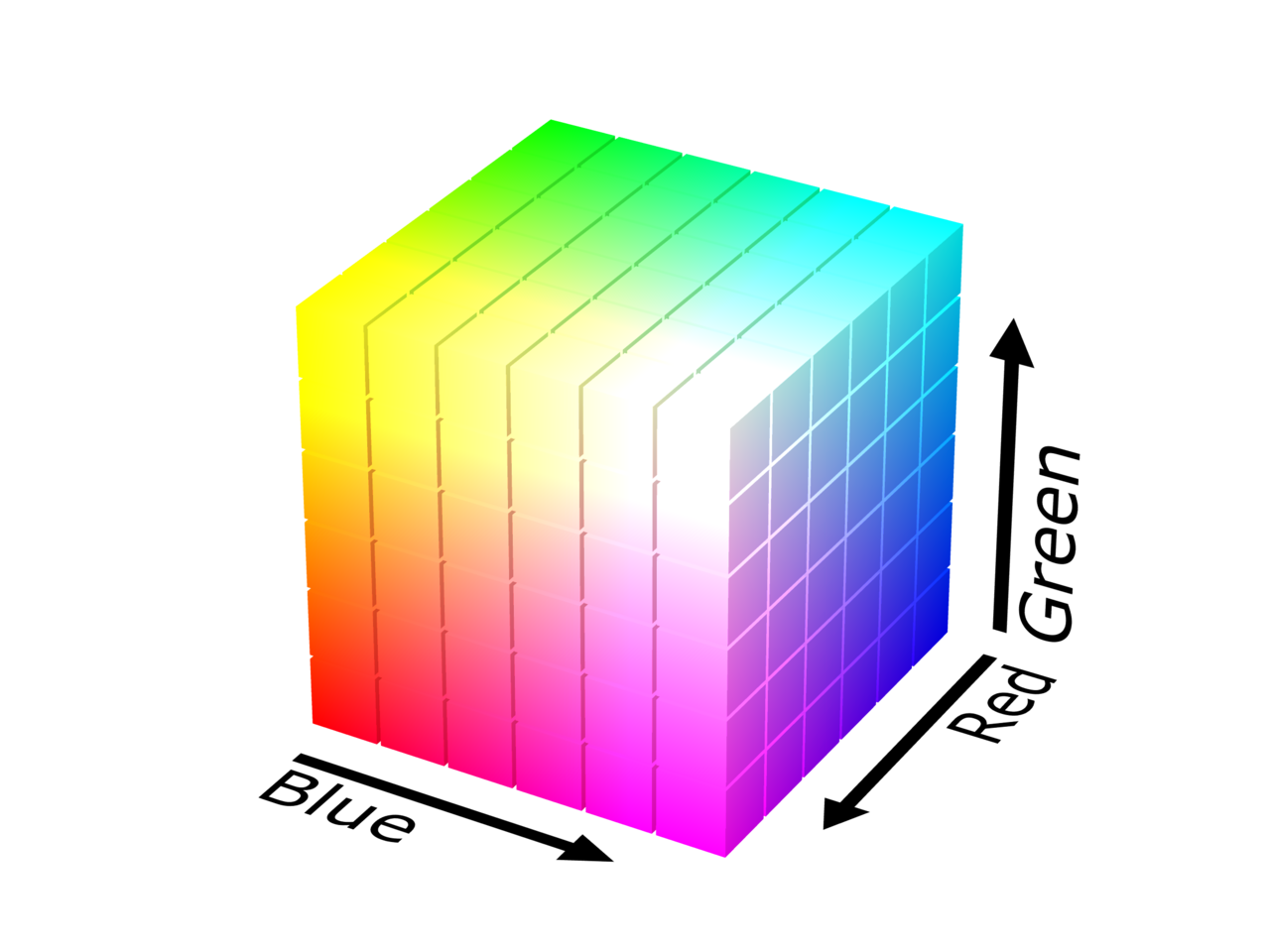



Characteristics and components
In practice each RGB channel is represented numerically to indicate intensity. Common digital formats use 8 bits per channel, giving 256 possible levels for red, green and blue. Different combinations yield millions of distinct colors. Devices and standards such as sRGB define specific primaries and a transfer curve (gamma) so that colors appear consistent across displays and images.
History and scientific basis
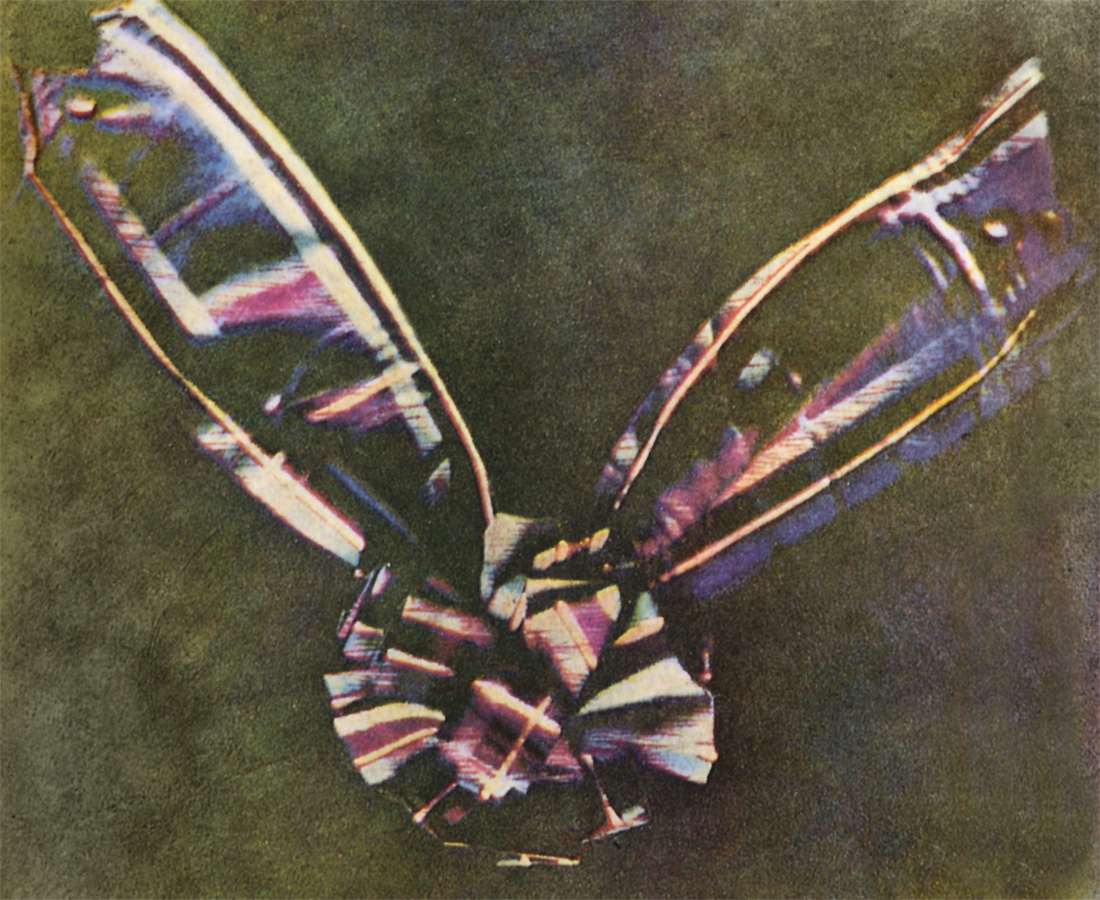
The RGB approach is grounded in human vision: the eye has three types of cone photoreceptors with overlapping sensitivity to long, medium and short wavelengths. Scientific work in the 19th century developed trichromatic theories that led to practical systems for reproducing color with three primaries. Later developments adapted the idea to electronic displays, cameras and television.
Uses and examples
RGB is the standard for most light-emitting devices: computer monitors, smartphones, televisions, LED lighting and projectors. Digital image files, web graphics and user-interface elements commonly store color as RGB triplets or hexadecimal codes. Cameras and scanners capture scene information in RGB or related formats before further processing.
Distinctions and practical considerations
- Additive vs subtractive: RGB mixes emitted light; printing uses subtractive colorants (CMYK) that absorb light.
- Gamut limits: Not all perceivable colors can be shown by a particular RGB space; different standards cover different gamuts.
- Color management: Converting between RGB spaces, or between RGB and print, requires profiles and attention to white point and gamma.
Understanding RGB is essential for anyone working with digital color, whether for design, photography, display engineering or web development. For technical reference and device-specific details, follow relevant standards and manufacturer documentation.
Related articles
Author
AlegsaOnline.com RGB color model and its uses in digital imaging Leandro Alegsa
URL: https://en.alegsaonline.com/art/82457