
Return to Base — Slade (1979 album)
Return to Base is the eighth studio album by English rock band Slade, released in 1979 during a decline in their mainstream popularity; it included the singles Ginny, Ginny and Sign of the Times.
Return to Base is the eighth studio album by the English rock band Slade, released in 1979. Issued at a time when the group’s commercial fortunes had waned from their early 1970s peak, the record failed to produce hit singles and did not chart. Two songs from the album were released as singles: "Ginny, Ginny" and "Sign of the Times".
Image gallery
3 Images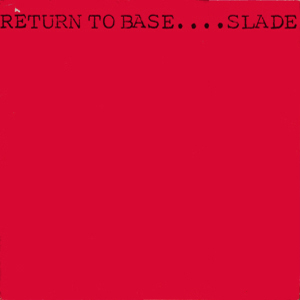

Background and context
By the late 1970s Slade had been through a period of shifting tastes in popular music. The band had risen to prominence during the glam-rock era with energetic anthems and singalong choruses, but changing trends, competing new punk and new wave acts, and a series of unsuccessful releases left them outside the singles charts by the time this album appeared. Return to Base reflects the band working to sustain their identity amid reduced commercial momentum.
Musical character
The album presents a straightforward, guitar-centred rock sound with strong emphasis on driving rhythms and gritty vocals. Noddy Holder’s distinctive voice, Dave Hill’s lead guitar work, Jim Lea’s melodic bass and occasional multi-instrumental contributions, and Don Powell’s solid drumming remain central. The songs range from punchy rockers to more reflective moments, showing a band comfortable with its core strengths even while experimenting with slightly tougher production and rawer arrangements.
Release and reception
Upon release the album attracted little mainstream attention and did not revive Slade’s chart success. Contemporary reviews were mixed: some critics noted the band’s consistent craft and performative energy, while others regarded the material as failing to recapture the mass appeal of earlier hits. The lack of hit singles meant the album was largely overlooked at the time.
Line-up and credits
- Noddy Holder — lead vocals (and occasional rhythm guitar)
- Dave Hill — lead guitar
- Jim Lea — bass guitar and multi-instrumental contributions
- Don Powell — drums
Although commercially quiet, the period around this album helped keep the band together and performing in smaller venues. Within a few years Slade experienced a resurgence in profile after high-profile live appearances and a renewed touring strategy, which brought their career back into public view. In later decades Return to Base has been reassessed by some fans and commentators as an undervalued chapter in Slade’s catalogue, notable for its unvarnished rock sound and for documenting the band during a challenging phase.
Related articles
Author
AlegsaOnline.com Return to Base — Slade (1979 album) Leandro Alegsa
URL: https://en.alegsaonline.com/art/82361