
Slade: English Hard Rock and Glam Rock Band
Slade, formed in 1966, is an English hard rock and glam rock band known for energetic anthems, six UK number-one singles, the film Slade in Flame (1975), and a continuing touring legacy under later line-ups.
Overview — Slade are an English band who became central figures in the British rock scene. Emerging in 1966, they blended driving hard rock riffs with the theatrical presentation of glam rock. The group enjoyed major commercial success and visibility in the 1970s and maintained a presence into the 1980s and beyond, releasing fifteen studio albums and four live albums during their main career.
Image gallery
10 Images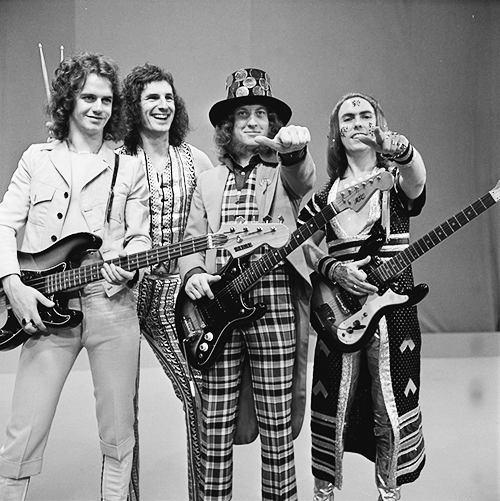


Style and image
Slade became known for raucous, crowd-friendly songs built around singalong choruses, chunky guitar work and a powerful lead vocal. Their stage image often involved flamboyant clothing and eye-catching hairstyles aligned with the glam movement, yet their songs frequently had a working-class, party-oriented directness. Key members of the classic line-up included distinctive frontman Noddy Holder, guitarist Dave Hill, bassist and multi-instrumentalist Jim Lea, and drummer Don Powell.
Career highlights and legacy
Commercially, Slade left a pronounced mark on UK popular music: they achieved six number-one singles in Britain and placed twenty-four songs in the UK top forty. Signature tracks such as "Merry Xmas Everybody" became perennial seasonal fixtures, while rock anthems like "Cum On Feel the Noize" reached broader audiences and were later covered by other artists, helping sustain Slade's international profile. Their energetic live concerts and anthemic songwriting influenced later rock and punk acts and contributed to the sound of 1970s British rock.
Notable releases and film
- Fifteen studio albums across their primary career, alongside four live albums and numerous singles.
- Slade in Flame (1975) — a feature film that paired the band with a dramatic story inspired by the music industry.
- Seasonal and charting singles that remain in public consciousness and receive recurring airplay.
Line-up changes and later activity
The original configuration remained the most celebrated, but after decades of performing the group effectively split in 1992; guitarist Dave Hill and drummer Don Powell then formed a successor act often billed as Slade II, which has continued to tour in various forms. Despite changes to personnel, songs from Slade's peak years continue to be licensed, reissued and played live, preserving their reputation as a major British rock outfit.
For further reading and archival material see contemporary sources and dedicated histories of the band and the broader movements that shaped their sound and image. A number of online and printed resources document their chart achievements, stage presentation, and the cultural footprint of their most enduring singles — achievements that made them a touchstone of 1970s British popular music and beyond. Popularity, hard rock roots and glam influences remain key angles when exploring Slade's contribution to rock history. Origins and early biographies, as well as later reunion and touring information, can be found in specialist discographies and fan-curated archives. Continuing presence on stage has kept the band's catalog accessible to new audiences while 1970s recordings retain their cultural resonance.
Related articles
Author
AlegsaOnline.com Slade: English Hard Rock and Glam Rock Band Leandro Alegsa
URL: https://en.alegsaonline.com/art/91023