
Riquet with the Tuft (Riquet à la houppe) — Perrault's fairy tale
A clear account of Charles Perrault's literary fairy tale 'Riquet with the Tuft' (Riquet à la houppe): plot, themes, origins, and connections to other European tales and motifs.
Overview
Riquet with the Tuft is a short literary fairy tale by Charles Perrault, originally published in Paris in 1697 in the collection Histoires ou contes du temps passé. The French title appears as Riquet à la houppe. It recounts the story of a prince who is plain in appearance but exceptionally clever, and a princess who is beautiful but dull. Through a magical bargain he grants her wit, and through her newly acquired intelligence she rewards him in a way that alters his outward fortune.
Image gallery
3 Images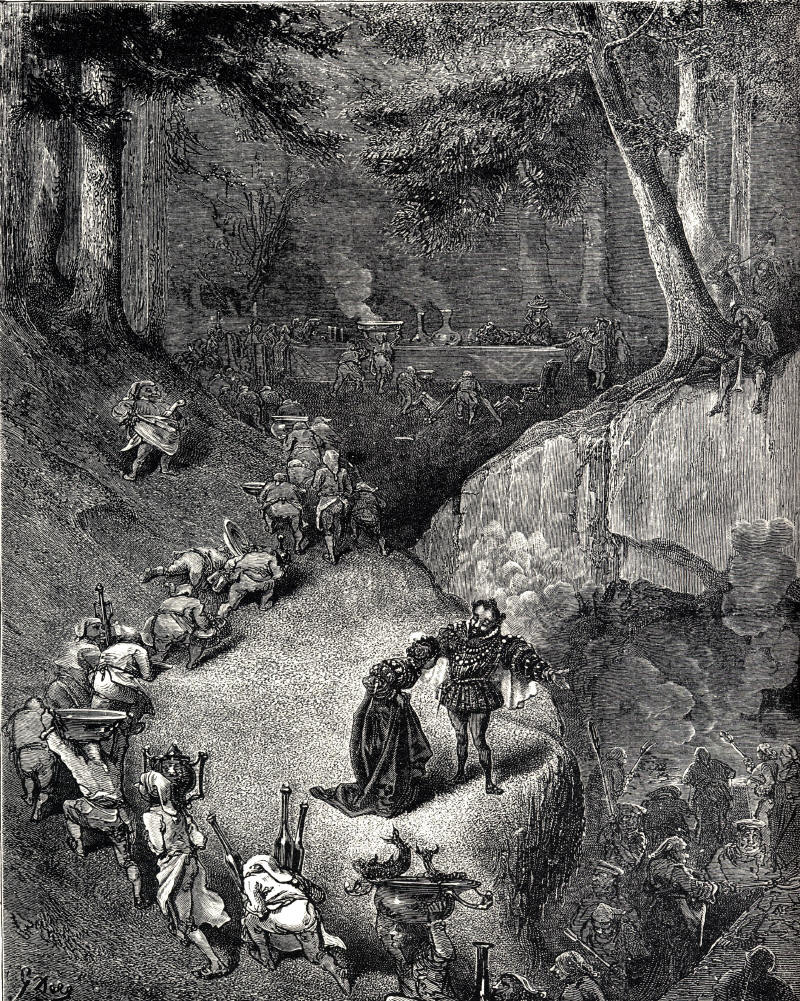


Plot and characteristics
The narrative centers on contrasts between outward beauty and inner qualities. The titular hero, often described as a gnome or enchanted prince, offers the princess the gift of understanding and eloquence on the condition of marriage. In turn, her natural beauty is transformed when she learns to love and think; the tale concludes with mutual recognition of worth. Perrault's language and structure emphasize wit, social manners, and the moral lesson that qualities of mind and heart are as important as physical attraction.
Themes and motifs
Major themes include the value of intelligence, the transformative power of love, and the social expectations of marriage in a courtly context. Motifs found in the tale are familiar across European storytelling: a magical bestowal, an exchange between appearance and inner gifts, and a test or condition attached to a promise. Scholars note affinities with classical and later narratives such as Beauty and the Beast and the Cupid-and-Psyche cycle, where tests, gifts, and transformations resolve personal and social tensions.
Origins, publication, and classification
Perrault's tale is considered a literary fairy tale rather than an oral folktale; it was composed and circulated in polished written form for a Parisian audience. It first appeared in the late 17th century under the imprint of Claude Barbin. Perrault's collection helped establish conventions of the written fairy tale in France and influenced how such stories were read in aristocratic and later popular circles. For a discussion of Perrault's authorship and publication history see references connected to Charles Perrault and collections of his works.
Related tales and influences
The plot of Riquet with the Tuft is part of a wider European tapestry of similar stories. Antecedents and parallels include an episode in Giambattista Basile's Pentamerone, often cited as Lo Cattenaccio (The Padlock), and versions or echoes found in late 17th-century French writing such as Catherine Bernard's narrative in Inès du Cordoue and Marie-Jeanne Lhéritier's adaptation Ricdin-Ricdon. The tale's emphasis on moral instruction and clever resolution links it to other literary treatments collected or adapted by Perrault and his contemporaries; see also broader commentary on the genre labeled as a fairy tale and its reception in later traditions.
Legacy and notable facts
- Riquet with the Tuft exemplifies the late 17th-century French taste for refined moral tales presented as entertainment.
- Its treatment of intelligence versus beauty has invited commentary in literary and feminist readings of courtship and social values.
- Although not a folktale in origin, the story shares motifs with global folktale types and thus appears in comparative studies of narrative patterns.
- For further reading on variants and critical interpretation see sources linked to Perrault and comparative collections of fairy tales (see related motifs).
The tale remains of interest both to readers of classic fairy tales and to scholars tracing how writers like Perrault shaped narrative genres by blending didactic aims with imaginative elements. For editions, translations, and commentary consult annotated collections and scholarly introductions to Perrault's work, as well as comparative folklore surveys that reference texts such as Basile's Pentamerone and critical discussions available through literary resources (French title, genre, author).
Questions and answers
Q: Who is the author of the fairy tale "Rickey with the Tuft"?
A: The author of the fairy tale "Rickey with the Tuft" is Charles Perrault.
Q: When was "Rickey with the Tuft" first published?
A: "Rickey with the Tuft" was first published in Paris in 1697 by Claude Barbin in Histoires ou contes du temps passé, a collection of eight fairy tales by Perrault.
Q: What is the story about?
A: The story is about an ugly but intelligent gnome prince who bestows wit on a beautiful but stupid princess in return for marriage. She renders Rickey handsome.
Q: Is "Rickey with the Tuft" a literary fairy tale or a folk tale?
A: "Rickey with the Tuft" is a literary fairy tale.
Q: Are there any other similar tales to "Rickey with the Tuft"?
A: Yes, similar tales include Catherine Bernard's version of the tale in her 1695 novel Inès du Cordoue, and Marie-Jeanne Lhéritier's "Ricdin-Ricdon". Another similar tale is Giambattista Basile's "Lo Cattenaccio" (The Padlock) from Pentamerone.
Q: What are the elements found in "Rickey with the Tuft"?
A: The elements found in "Rickey with the Tuft" include Cupid and Psyche and Beauty and the Beast.
Q: Who rendered Rickey handsome in the story?
A: The beautiful but stupid princess rendered Rickey handsome in the story.
Related articles
Author
AlegsaOnline.com Riquet with the Tuft (Riquet à la houppe) — Perrault's fairy tale Leandro Alegsa
URL: https://en.alegsaonline.com/art/82806