
Romeo and Juliet
A tragedy by William Shakespeare about two young lovers from feuding families in Verona; celebrated for its poetry, dramatic structure, themes of fate and conflict, and wide-ranging adaptations.
Overview
Romeo and Juliet is a tragedy by William Shakespeare set in northern Italy. The story follows two adolescents from noble houses whose growing love is crushed by a long-standing family feud. Their brief relationship, secret marriage and untimely deaths drive the play’s dramatic arc and its lasting reputation as an emblem of youthful passion and tragic destiny.
Image gallery
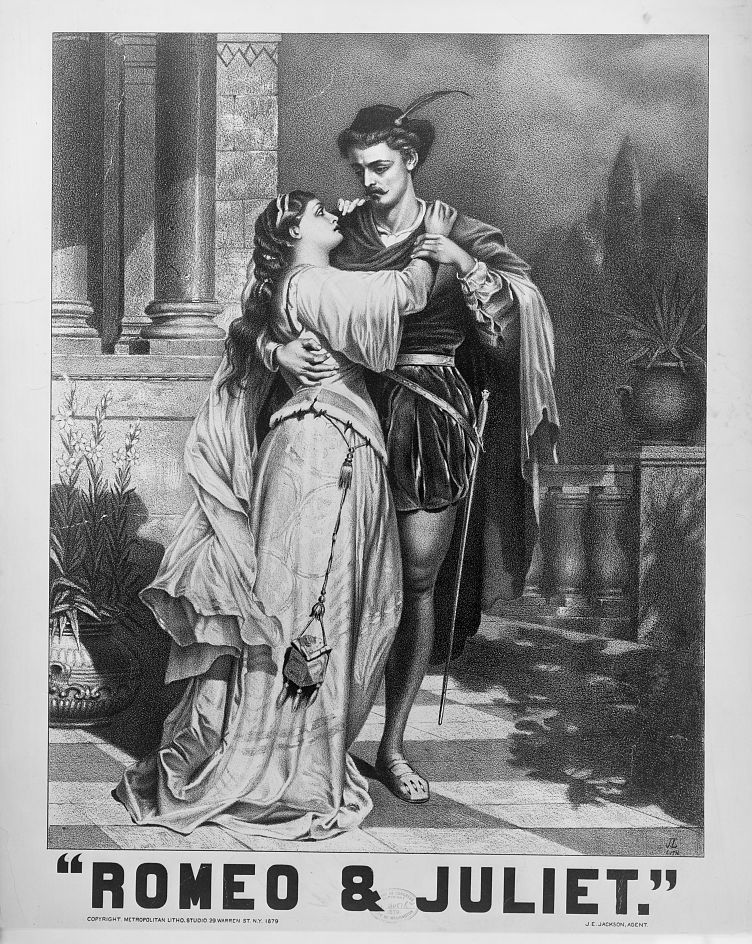
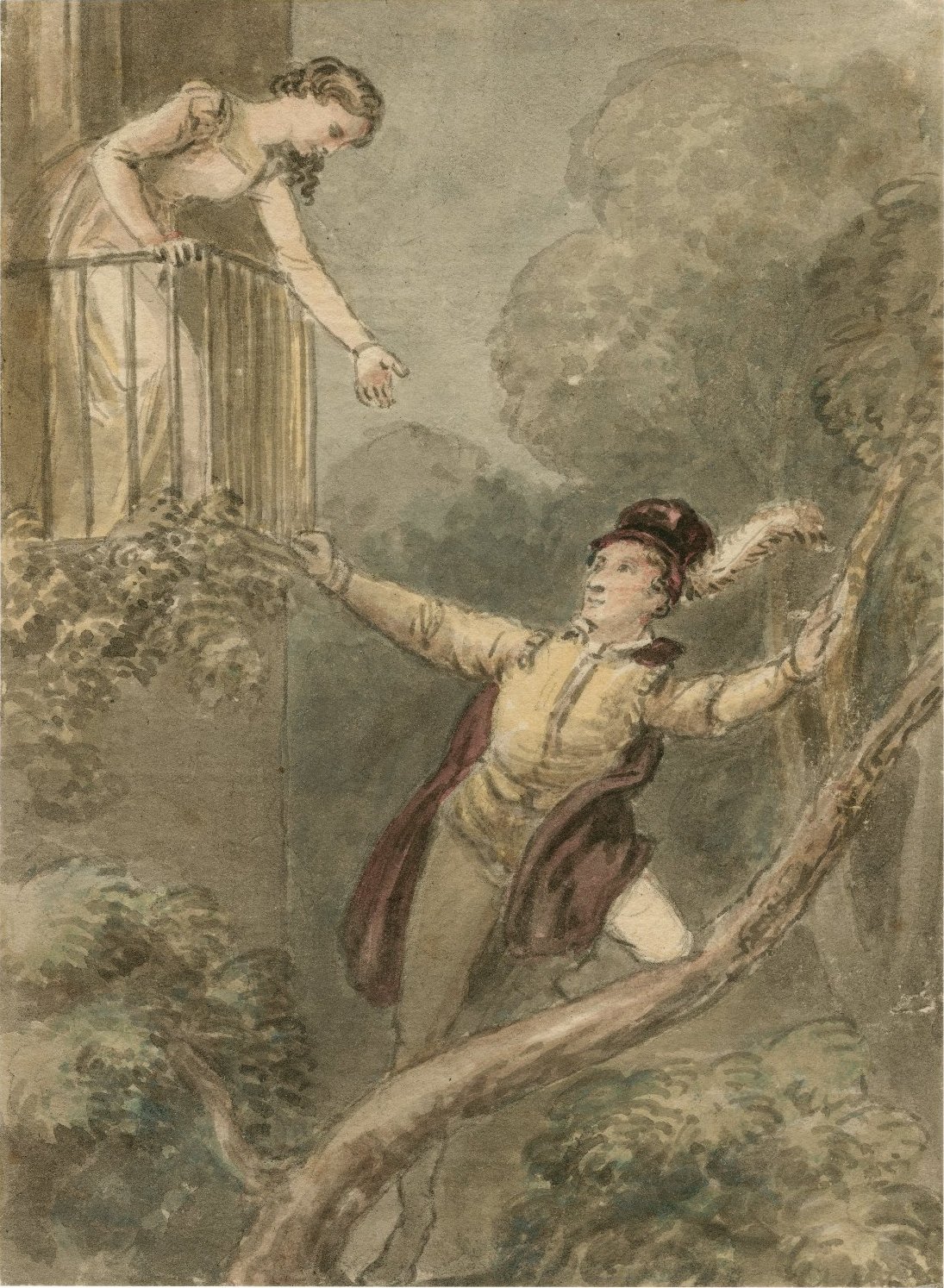
10 Images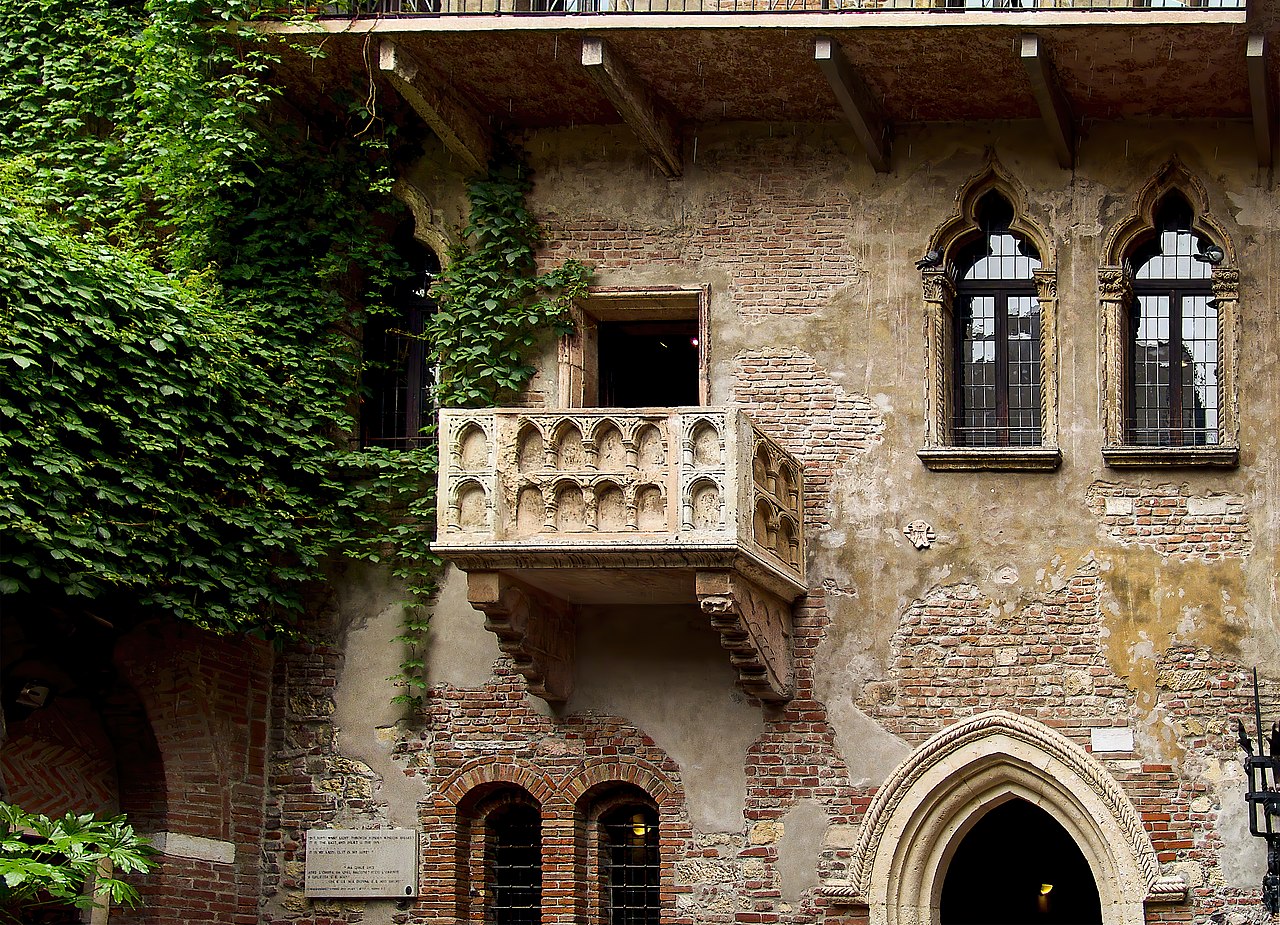





Structure and principal characters
The drama is conventionally staged in five acts and moves between public confrontations and private, intimate scenes. Central figures include Romeo Montague and Juliet Capulet; other important roles are Mercutio, Tybalt, the Nurse and Friar Laurence. Shakespeare alternates lyrical passages of poetry with prose to distinguish heightened emotion from more everyday speech.
Themes and language
Major themes are the tension between individual desire and social constraint, the collision of love and hatred, the influence of chance or fate, and the swift passage from adolescence to tragedy. The play is famous for memorable phrases and striking images that capture romance and doom. Its language ranges from songlike sonnets to charged, fast-paced dialogue.
Historical origin and performance
Believed to date from the late 16th century, the play was written for a London audience and draws on earlier Italian tales and narrative poems. The setting is commonly identified as Verona, and productions have varied widely in period and style, from period costumes to modern reinterpretations. The play quickly became a favorite onstage and remains central to the theatrical canon.
Adaptations and cultural impact
Romeo and Juliet has inspired works across many media. Notable forms include:
- Operatic settings and concert pieces — see opera adaptations.
- Ballet productions that emphasize dance and visual storytelling — see ballet versions.
- Television dramatizations and filmed stage productions — see television.
- Numerous film adaptations and reworkings that relocate or reimagine the tale — see movies.
The play’s imagery and plot have also been transformed in novels, musicals and popular reinterpretations, including modern retellings that transpose the feud to different social contexts.
Notable distinctions and continuing relevance
Romeo and Juliet is often taught as an introduction to Shakespeare’s dramatic art because it combines concentrated lyricism with powerful stage action. Its portrayal of young love, the tragic consequences of conflict, and the moral ambiguities of loyalty and rage continue to provoke discussion. The play’s adaptability across languages and forms keeps it visible in education, performance and popular culture around the world.
For further reading and production history consult editions and scholarly summaries linked through the play’s bibliographies and archives.
Questions and answers
Q: Who is the author of Romeo and Juliet?
A: William Shakespeare is the author of Romeo and Juliet.
Q: Where is the play Romeo and Juliet set?
A: Romeo and Juliet is set in Italy.
Q: What is Romeo and Juliet about?
A: Romeo and Juliet is about the love between two young people from noble families that are enemies.
Q: Has Romeo and Juliet been adapted into other art forms besides a play?
A: Yes, Romeo and Juliet has been adapted into opera, ballet, television productions, and movies.
Q: Is Romeo and Juliet a popular play?
A: Yes, Romeo and Juliet is one of Shakespeare's most popular plays.
Q: Who are the main characters in Romeo and Juliet?
A: The main characters in Romeo and Juliet are the titular characters, Romeo and Juliet.
Q: Why are Romeo and Juliet unable to be together?
A: Romeo and Juliet come from noble families that are enemies, which makes their love impossible.
Related articles
Author
AlegsaOnline.com Romeo and Juliet Leandro Alegsa
URL: https://en.alegsaonline.com/art/83929