
Romeo (Shakespearean character)
Romeo Montague, one of the central figures in Shakespeare's Romeo and Juliet, is a young lover whose passion and impulsiveness drive the tragedy and have inspired countless adaptations.
Overview
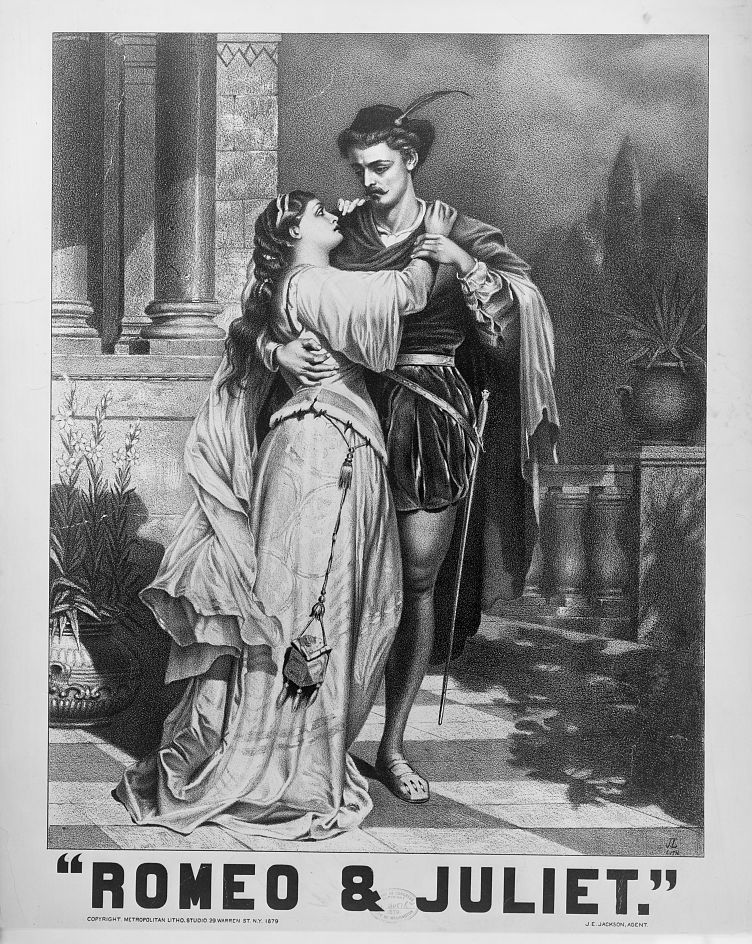
Romeo is the male protagonist of William Shakespeare's tragedy Romeo and Juliet. Created in the late 16th century by William Shakespeare, Romeo is a member of the Montague family and is best known for his intense, immediate love for Juliet Capulet and for actions driven by emotion rather than caution.
Image gallery
3 Images

Character and traits
In the play Romeo is portrayed as passionate, poetic and impulsive. He speaks in lyric, often using extended metaphors and imagery to describe love. Early in the drama he is lovesick over Rosaline, then quickly transfers his devotion to Juliet after meeting her. His youth and romantic idealism coexist with a volatile temper; these qualities affect his friendships, his responses to insults and the violent conflicts between the Montagues and Capulets.
Role in the plot
Romeo's relationship with Juliet is secret and intense. The couple marries in private, hoping to reconcile their feuding families. A sequence of misunderstandings follows: duels, the exile of Romeo, and a desperate plan in which Juliet takes a sleeping potion to appear dead. Believing Juliet is truly dead, Romeo drinks poison and kills himself. Juliet awakens, sees Romeo dead, and then takes her own life, bringing the lovers' deaths to a head and prompting reconciliation of the families.
Themes and significance
Romeo embodies several central themes of the play: the force of romantic love, the impact of fate and chance, and the cost of youthful impulsiveness. His choices highlight tensions between private desire and public honor, and Shakespeare uses Romeo’s language and actions to explore how passion can both ennoble and destroy.
Adaptations and portrayals
The role of Romeo has been performed across theatre, opera, ballet and film. Notable screen portrayals include performances by Leonardo DiCaprio, Leonard Whiting, Leslie Howard and Douglas Booth. The character has also been reinterpreted in modern retellings that shift setting or era while preserving the central dynamics of forbidden love and tragic consequence.
- Stage: many classical and contemporary productions worldwide.
- Opera/Ballet: frequent source material for musical and choreographic adaptations.
- Film/TV: versions range from period pieces to modernized updates and cultural reimaginings.
Over four centuries after its creation, Romeo remains one of literature’s archetypal lovers: a figure whose fervor, eloquence and tragic end continue to provoke interpretation, performance and debate.
Related articles
Author
AlegsaOnline.com Romeo (Shakespearean character) Leandro Alegsa
URL: https://en.alegsaonline.com/art/83931