
REN21 — Renewable Energy Policy Network for the 21st Century
REN21 is a global policy network that connects governments, industry and experts to accelerate renewable energy through analysis, reports and multilateral collaboration.
Overview
REN21, the Renewable Energy Policy Network for the 21st Century, is an international forum that brings together governments, intergovernmental organizations, industry associations, researchers and civil society to advance renewable energy policy and deployment. Its membership and outreach span both developing countries and industrialised economies, with a goal to promote the rapid expansion of renewable energy technologies worldwide. REN21 functions as a neutral convener, information hub and knowledge broker, helping stakeholders design policies, track progress and share best practices.
Image gallery
3 Images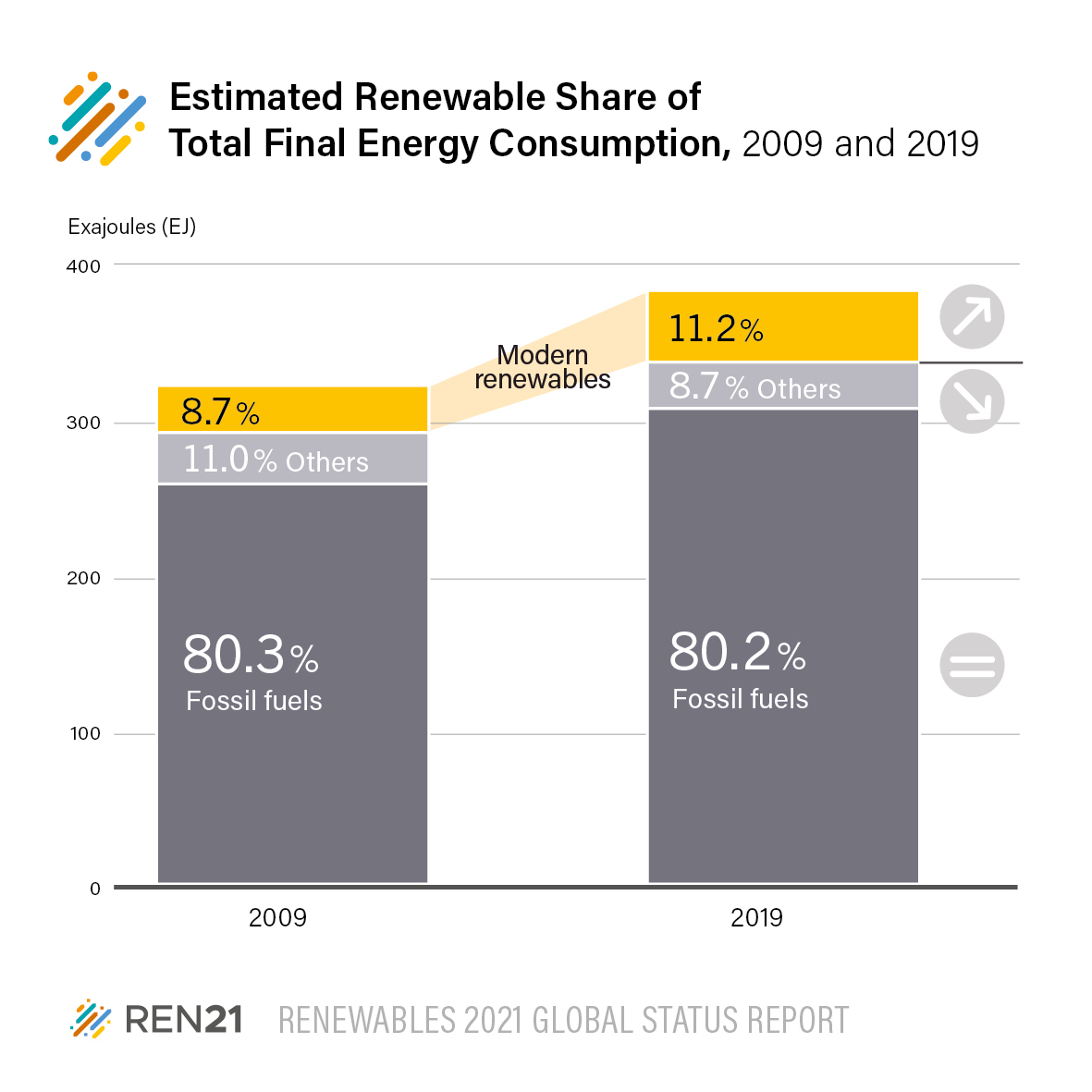


Structure and partnerships
REN21 operates through a secretariat supported by international partners rather than as a standalone intergovernmental body. The secretariat is hosted in offices in Paris and works closely with institutions based in France. Key organizational partners have included the United Nations Environment Programme, referenced here as UNEP, and technical cooperation agencies and agencies such as the International Energy Agency. This architecture enables REN21 to draw on technical expertise while remaining an open network for policy exchange.
History and development
REN21 emerged following international discussions about how to accelerate the global energy transition. The network was launched after the 2004 International Conference for Renewable Energies in Bonn, held in Germany, and formally established in 2005. From its inception REN21 emphasized cross-sector collaboration and timely, policy-relevant information as tools to influence national and international decisions on renewables.
Reports, tools and outputs
A core REN21 contribution is its reporting and analysis. The organization produces the Renewables Global Status Report and related publications that compile market data, policy developments and deployment trends. These reports aim to be accessible to policymakers, investors and researchers and are often cited in policy debates and planning documents. REN21 also issues fact sheets, country briefs and thematic studies that synthesize the state of technologies, finance and regulatory measures.
Activities and influence
- Publishing annual and special reports to track deployment, investment and policy changes.
- Facilitating international multi-stakeholder dialogue and working groups focused on policy design and implementation.
- Providing capacity-building resources and best-practice examples for governments and planners.
- Promoting transparency in renewable energy statistics and terminology to improve comparability across countries.
Importance and notable facts
REN21 is widely regarded as an important information provider in the renewable energy community because of its neutral stance, broad network and frequent publications. Its reports are used by national authorities, development agencies and the private sector to inform policy decisions and investment strategies. While REN21 does not set binding targets, its convening role and synthesis of data make it influential in shaping how stakeholders understand progress and challenges in the global energy transition.
Limitations and future directions
As a network rather than a funding body, REN21's influence comes through knowledge exchange and consensus-building rather than direct financing or regulation. Ongoing challenges include improving data coverage in low-income regions, keeping pace with rapidly evolving technologies and integrating social and justice considerations into technical analyses. REN21 continues to evolve by expanding partnerships and refining its reporting to remain relevant to policymakers and practitioners.
For additional context and resources, REN21 maintains collaborative relationships with organizations and forums across the energy sector, and its materials are often cross-referenced by governmental and multilateral documents.
References and partner notes: renewable energy technologies, developing countries, industrialised economies, Bonn conference, Germany, Paris office, France, UNEP, IEA.
Related articles
Author
AlegsaOnline.com REN21 — Renewable Energy Policy Network for the 21st Century Leandro Alegsa
URL: https://en.alegsaonline.com/art/82093