
Rensselaer Polytechnic Institute: History, Academics, and Notable Facts
Private research university in Troy, New York, founded in 1824 by Stephen Van Rensselaer. Known for engineering and applied science, EMPAC arts center, industry ties, and Division I hockey teams.
Overview
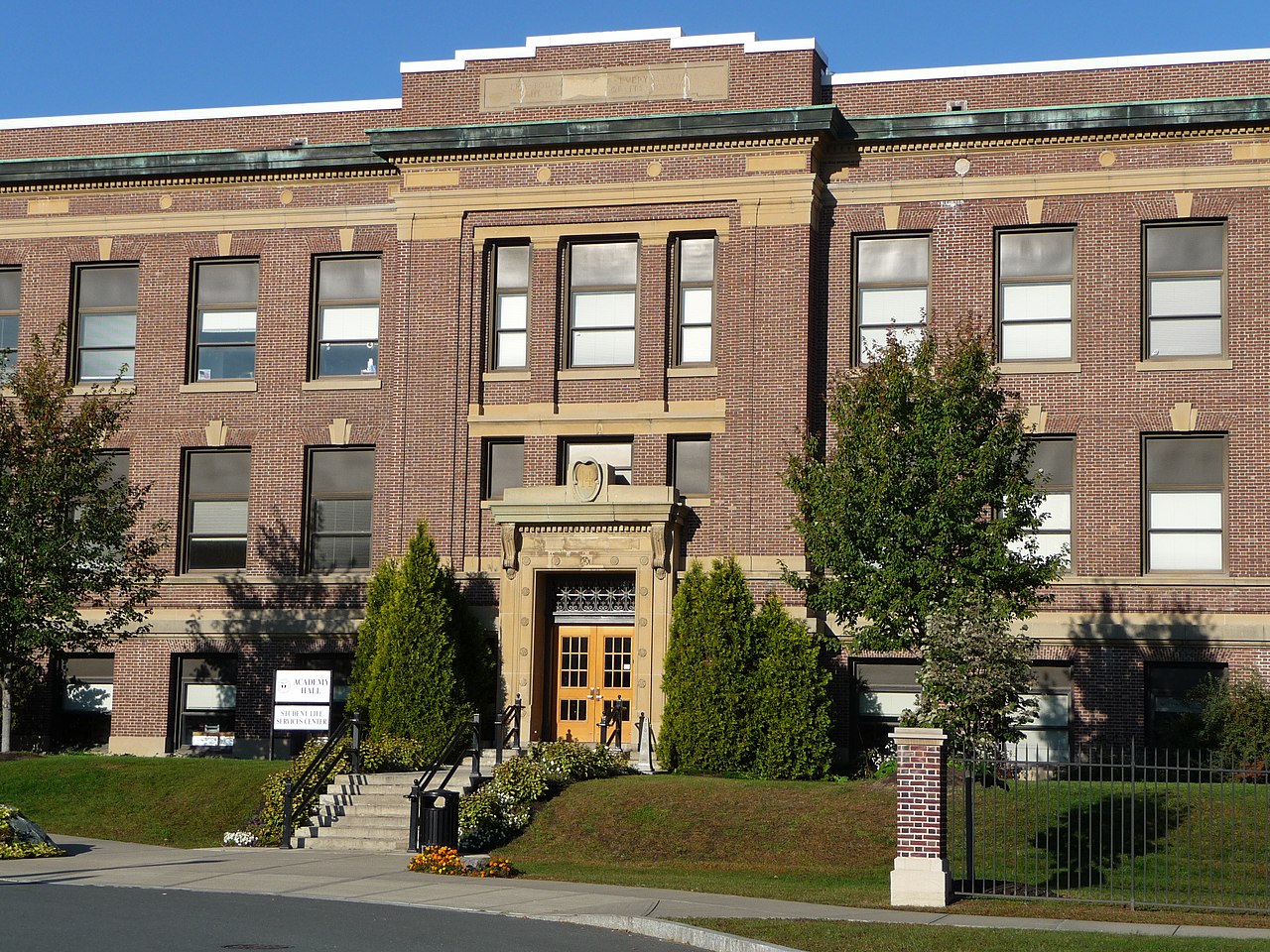
Rensselaer Polytechnic Institute (commonly RPI) is a private research university in Troy, New York, established in 1824. Founded by Stephen Van Rensselaer with a mission to provide instruction in science and engineering, the institute grew into a broadly based technical university while retaining a strong emphasis on applied research and innovation. Today RPI combines undergraduate and graduate programs, research centers, and professional education on a compact campus along the Hudson River.
Image gallery
10 Images





Academic structure and strengths
Academically, RPI centers on engineering and the sciences but also houses programs in architecture, the arts, humanities and social sciences, and management. The institute emphasizes hands-on learning, laboratory work, and interdisciplinary projects that connect theory to practical applications. Graduate studies and doctoral research are prominent, and faculty often collaborate with industry and government partners. Prospective students can find program information and admissions guidance through institutional resources such as the official site.
Research, facilities, and cultural resources
Research at RPI covers fields from materials science and computer engineering to biotechnology and complex systems. Facilities support experimental, computational, and artistic inquiry; a notable example is the Experimental Media and Performing Arts Center, opened in 2008, which hosts performances, research, and cross-disciplinary projects integrating technology and the arts (EMPAC). The campus also includes laboratories and centers that foster entrepreneurship, technology transfer, and collaboration with regional industry and national research initiatives (campus overview).
History and development
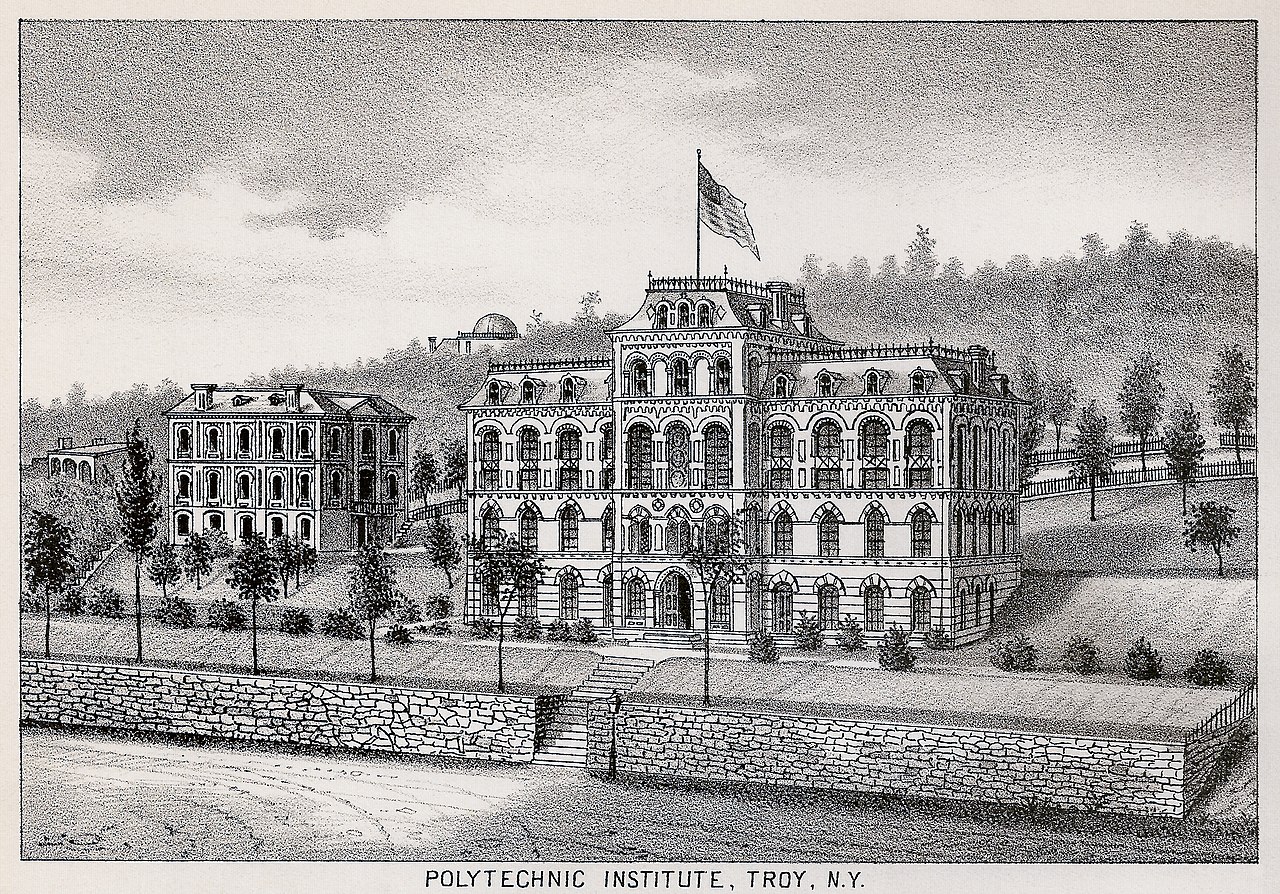
RPI was created to meet early 19th-century needs for formal instruction in practical science and engineering. Over two centuries it has adapted to changing technological and societal demands, expanding curricula beyond core engineering into business, design, and liberal arts. The institute's evolution reflects a broader trend in technical education toward interdisciplinary training and innovation-driven research. Historical summaries and archival materials are available through institutional history pages and alumni resources (history, founding mission).
Notable alumni and outcomes
Graduates of RPI have gone on to careers in academia, industry, entrepreneurship, and public service. Alumni have played roles in founding and leading technology companies and publishing firms—examples associated with the institute include founders and executives linked to firms such as NVIDIA, John Wiley & Sons, and Texas Instruments—and RPI alumni have contributed to aerospace programs and space exploration efforts, including figures such as George Low. The institute maintains career services and corporate relationships to support student employment and internships (alumni impact, notable alumni).
Campus life and athletics
Student life at RPI blends rigorous academics with clubs, arts events, and athletics. Most varsity teams compete in NCAA Division III, where athletic scholarships are not offered; however, the men's and women's ice hockey programs compete at the Division I level within ECAC Hockey and operate under NCAA regulations that permit scholarships in certain sports through specific rules (NCAA, ice hockey, ECAC Hockey). Campus cultural and student organizations also engage with local communities and regional cultural institutions (community engagement, arts and culture, student life).
Distinctions and further resources
RPI is widely recognized for its historical role in American engineering education and for maintaining strong ties to industry, entrepreneurship, and applied research. Readers seeking more detailed program descriptions, research initiatives, or information for visitors and applicants can consult institutional pages and resource links provided by the institute (official site, visit the campus, academic catalog, departments, career services, alumni office, community programs, arts at RPI, student services, EMPAC, athletics, hockey programs, conference affiliations).
- Quick facts: Founded 1824; location Troy, New York; historic emphasis on engineering and applied science.
- Signature facility: EMPAC, a center for experimental media and performing arts.
- Athletics: Most teams in NCAA Division III; ice hockey competes in Division I ECAC Hockey.
Questions and answers
Q: What is RPI?
A: RPI stands for Rensselaer Polytechnic Institute, which is a private university in Troy, NY.
Q: Who founded RPI and why?
A: RPI was founded by Stephen Van Rensselaer in 1824 because he wanted schools that taught science and engineering.
Q: What is the significance of RPI?
A: RPI is the oldest engineering school in America and has produced graduates who have started big companies like NVIDIA, John Wiley and Sons, and Texas Instruments.
Q: Who is George Low and what is his connection to RPI?
A: George Low is an American who helped get spaceships into space and went to RPI.
Q: How has RPI changed over time?
A: RPI still focuses on engineering, but there is now growing arts and social studies teaching at the school. A big concert hall called EMPAC was opened in 2008 at RPI.
Q: What is the NCAA Division III?
A: NCAA Division III is a division of the National Collegiate Athletic Association that does not allow athletic scholarships.
Q: What is the special NCAA rule that allows RPI's hockey teams to award scholarships?
A: RPI's men's and women's ice hockey teams play as Division I teams in ECAC Hockey, which allows them to award scholarships.
Related articles
Author
AlegsaOnline.com Rensselaer Polytechnic Institute: History, Academics, and Notable Facts Leandro Alegsa
URL: https://en.alegsaonline.com/art/82177
Sources
- nacubo.org : "2008 NACUBO Endowment Study"
- news.rpi.edu : "Robert Palazzo Appointed Provost of Rensselaer"
- rpi.edu : "Common Data Set 2008-2009"