
Religion in Ancient Armenia
Overview of pre-Christian belief systems in Armenia: deities, practices, influences, conversion to Christianity and the survival of traditions.
Ancient Armenian religion refers to the range of beliefs and rituals practised in the Armenian Highlands before the widespread adoption of Christianity in the early 4th century. Archaeology, place‑names, classical authors and medieval Armenian historians together suggest a tradition with deep Indo‑European roots that developed distinctive local features. Scholars propose that early Armenians followed forms of nature worship that gradually coalesced into a national pantheon whose members were sometimes equated with Greek, Roman or Iranian gods. For a concise introduction to these origins see early religions.
Image gallery
4 Images
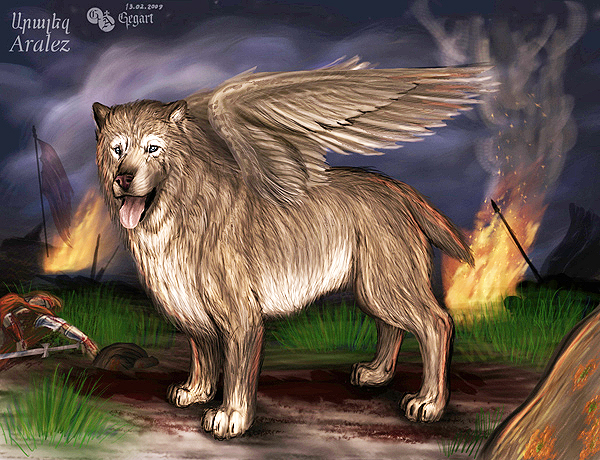

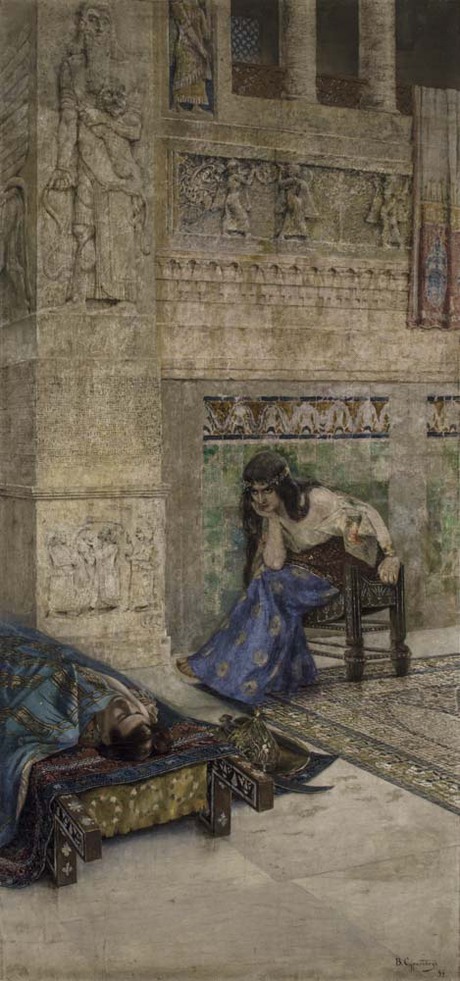
Principal gods and characteristics
The Armenian pantheon contained a set of major deities who acquired defined roles and cults across the region. Major figures commonly named in literary and epigraphic sources include:
- Aramazd — regarded as a chief father‑god in later lists and often compared by historians to Zeus or Ahura Mazda; for comparative notes see comparative studies.
- Anahit — a mother‑goddess associated with fertility, healing and water; she remained popular in folk memory and ritual.
- Vahagn — a storm and warrior deity with fire‑like attributes, sometimes likened to Heracles or Mithraic figures.
- Astghik — associated with love and beauty, connected to astral symbolism.
- Mihr and Tir — deities linked with covenant, oaths, divination and the sun or written lore.
These gods illustrate syncretism: Iranian (Persian) and Anatolian influences mixed with indigenous elements. Rituals included offerings at natural sanctuaries (springs, mountains and groves), temple worship in urban contexts, and calendar festivals. Fire and light symbolism, shared with neighbouring Iranian religions, appears in texts and material remains; see relevant overviews at comparative religion resources.
Worship, cult sites and material evidence
Temples, shrines and open‑air sanctuaries dotted the landscape. Some urban temples displayed Hellenistic architectural forms, while rural cults remained tied to specific natural sites. The best‑known surviving pagan structure in Armenia is the Hellenistic temple at Garni, which later became a symbolic reminder of pre‑Christian ritual space. Archaeological work and medieval accounts indicate that priests and local elites organised public rites, sacrifices and festival calendars. For archaeological summaries and site reports consult site surveys.
Written records from antiquity are fragmentary. Medieval Armenian historians and chroniclers preserved mythic tales, lists of gods and descriptions of rituals, but much of the oral poetry and song that celebrated old heroes and deities was lost or transformed after Christianisation. Modern commentators have noted the literary wealth implied by surviving fragments and the cultural loss that followed the decline of pagan institutions; see discussion at literary echoes.
Conversion, continuity and legacy
Armenia adopted Christianity as a state religion in the early 4th century under the influence of Gregory the Illuminator and the ruling house; many temples were destroyed, repurposed as churches, or abandoned. This conversion did not erase all older practices at once: local customs, festival timings and saint veneration absorbed or reinterpreted pagan elements. Folk traditions in rural areas preserved motifs and rituals that scholars trace back to pre‑Christian beliefs. For studies of conversion and cultural continuity see conversion studies and comparative analyses at legacy research.
Today the study of religion in ancient Armenia draws on archaeology, comparative Indo‑European linguistics, classical testimony and medieval compilations. While many details remain uncertain, the surviving evidence points to a religious landscape that was both regionally distinct and open to wider Mediterranean and Iranian currents—an important chapter in the spiritual and cultural history of the Caucasus.
Related articles
Author
AlegsaOnline.com Religion in Ancient Armenia Leandro Alegsa
URL: https://en.alegsaonline.com/art/82026