
Religion in Canada
Overview of religious beliefs, historical development, major groups, legal framework and contemporary trends shaping religion in Canada.
Overview
Religion in Canada is diverse and shaped by Indigenous traditions, Christian heritage, and waves of immigration. A majority of people identify with Christianity in its various forms, while a substantial and growing share report no religious affiliation. Religious life in Canada varies by region, language community and generation, and it influences social institutions, holidays and community organizations.
Image gallery
10 Images


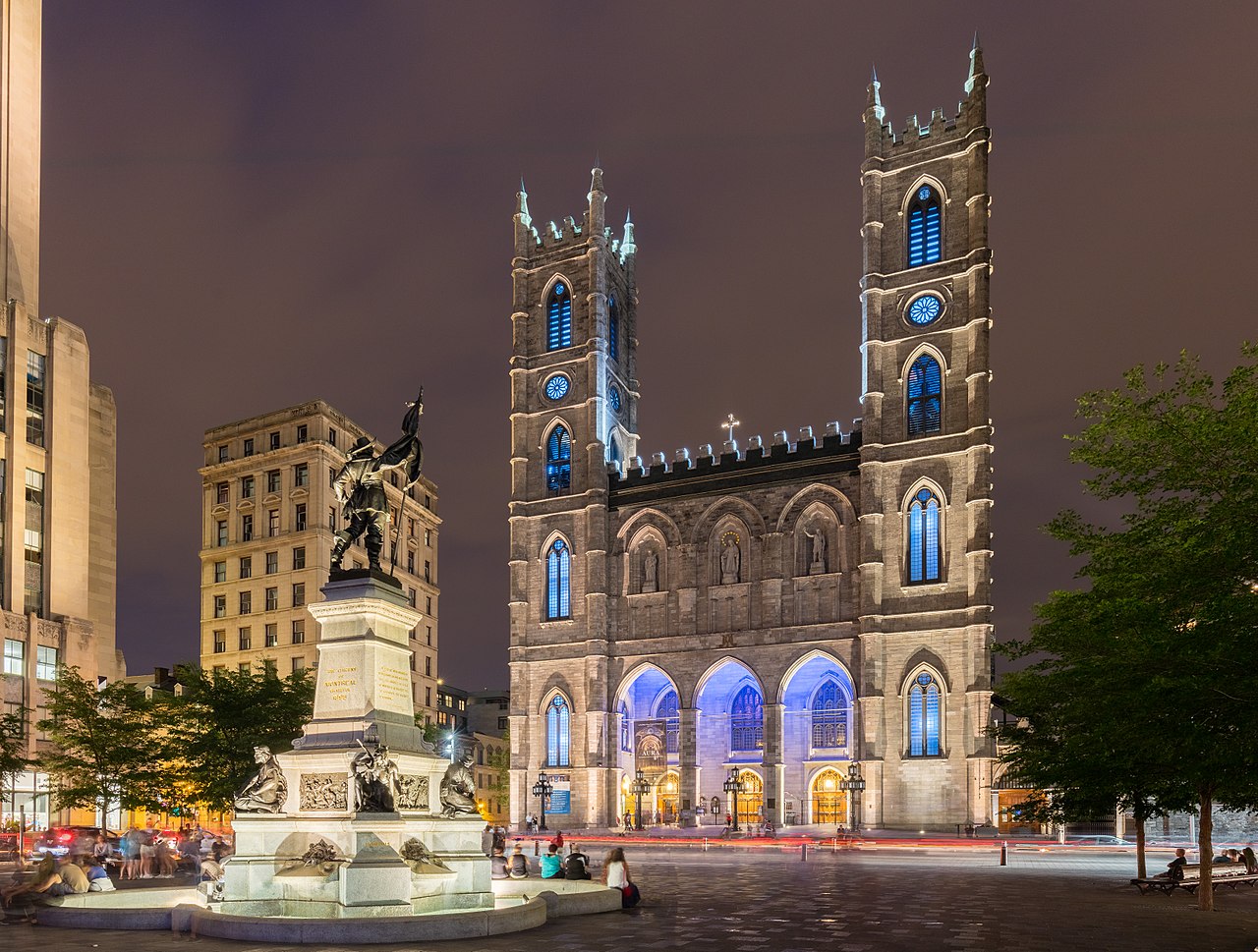


Major groups and characteristics
Christianity remains the largest family of religions. Roman Catholics represent a large portion of those who identify as Christian, while Protestant denominations collectively make up a significant share as well. A rising proportion of Canadians describe themselves as having no religion, and smaller but visible communities follow Judaism, Islam, Hinduism, Sikhism, Buddhism and other faiths. Indigenous spiritualities continue to be practiced and revitalized across many First Nations, Inuit and Métis communities.
Historical development
Religious patterns in Canada reflect colonial history and immigration. Early European settlement brought Roman Catholic and Protestant traditions, which shaped schools, hospitals and social life. Over the 19th and 20th centuries, immigration from around the world introduced new faiths and increased religious pluralism. In recent decades secularization, changing family structures and mobility have contributed to declining institutional affiliation for some groups.
Legal framework and public life
Canada does not have an official state religion. The Charter of Rights and Freedoms guarantees freedom of conscience and religion and protects the right to practise and manifest belief. That legal framework supports accommodation in public institutions, while courts and legislatures continue to address how religious freedom interacts with equality rights and secular public policy.
Contemporary trends and importance
Key contemporary trends include the geographic clustering of faith communities, interfaith cooperation, and the visible growth of religions introduced by more recent immigration. At the same time, demographic change and younger generations’ attitudes have led to increases in non-religious identification. Religion remains important for many Canadians as a source of identity, community services and cultural life.
Notable distinctions and resources
- Christian majority and internal diversity: Christian denominations and the prominence of Roman Catholicism.
- Non-religious growth: surveys showing a notable share identifying with no religion.
- Smaller but growing faiths such as Islam and other world religions.
- Regional and provincial variations in affiliation and practice: see general statistics and population data breakdowns.
- Protestant traditions and their historical roles: background on Protestant denominations.
- Constitutional context and absence of an official state religion: legal framework overview.
For readers seeking basic demographic figures, historical summaries or legal context, the linked resources above provide entry points to more detailed information. Understanding religion in Canada requires attention to both long-standing institutions and recent changes driven by migration and shifting social values.
Related articles
Author
AlegsaOnline.com Religion in Canada Leandro Alegsa
URL: https://en.alegsaonline.com/art/82027