
Ancient Egyptian religion
The polytheistic faiths and ritual practices of ancient Egypt, their gods, mythology, temples, funerary beliefs, historical development, and later transition to Christianity and Islam.
Overview
The religion of ancient Egypt was a complex system of polytheistic beliefs and rituals that shaped public life, art, and government for millennia. It centered on a large pantheon of gods, concepts of cosmic order and balance, and practices intended to maintain harmony between the living, the dead, and the divine. Scholars study these beliefs through temple inscriptions, tomb paintings, ritual texts and surviving monuments, all of which illuminate how religion permeated social and political institutions in ancient Egypt.
Image gallery
10 Images




Core beliefs and concepts
Key ideas included the maintenance of maat (order, truth, balance), the cyclical nature of life and the afterlife, and the divine nature of kingship. The pharaoh was both a political ruler and a religious intermediary whose actions sustained the gods and the cosmos. Death was not an end but a transformation: elaborate funerary rites, mummification, and tomb provisions aimed to secure a successful journey to the afterlife and continued existence for the deceased.
Deities, myths, and iconography
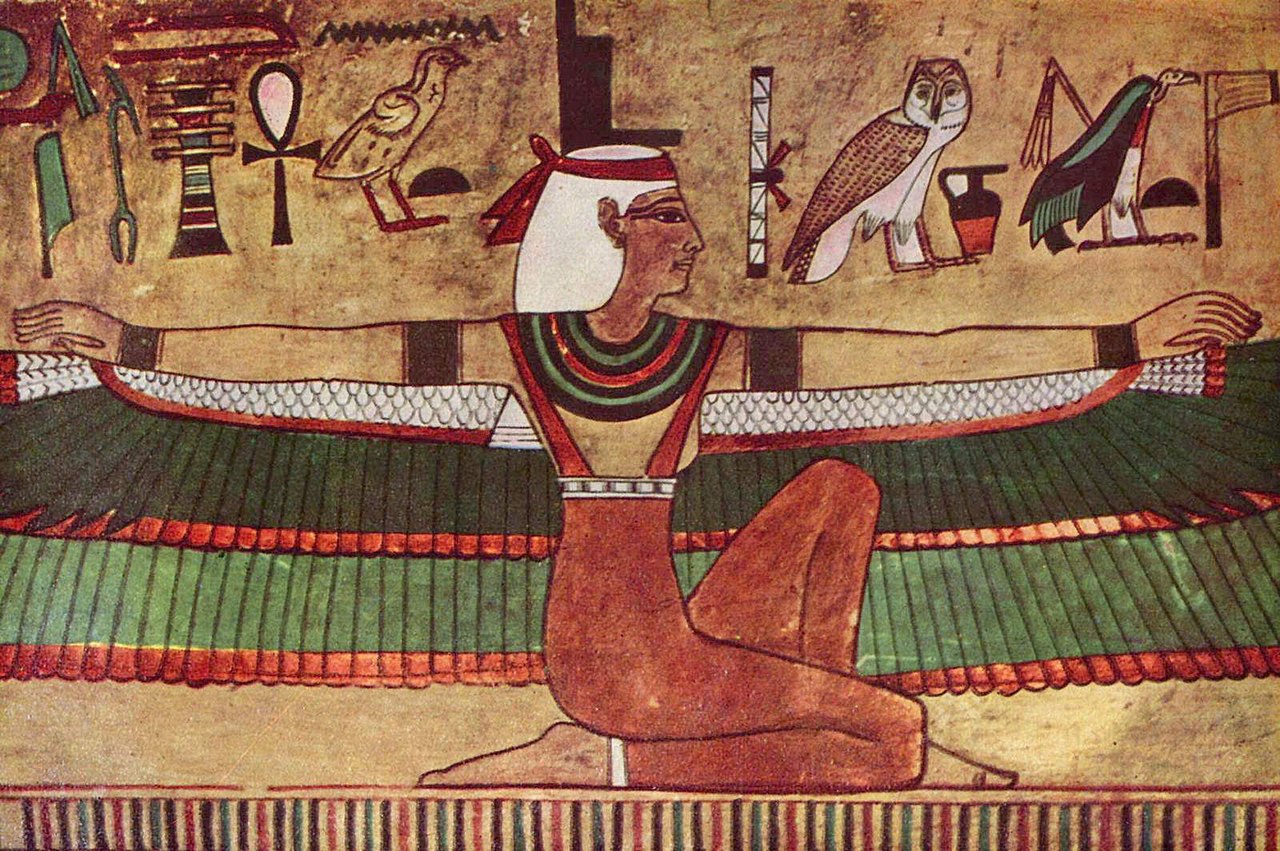
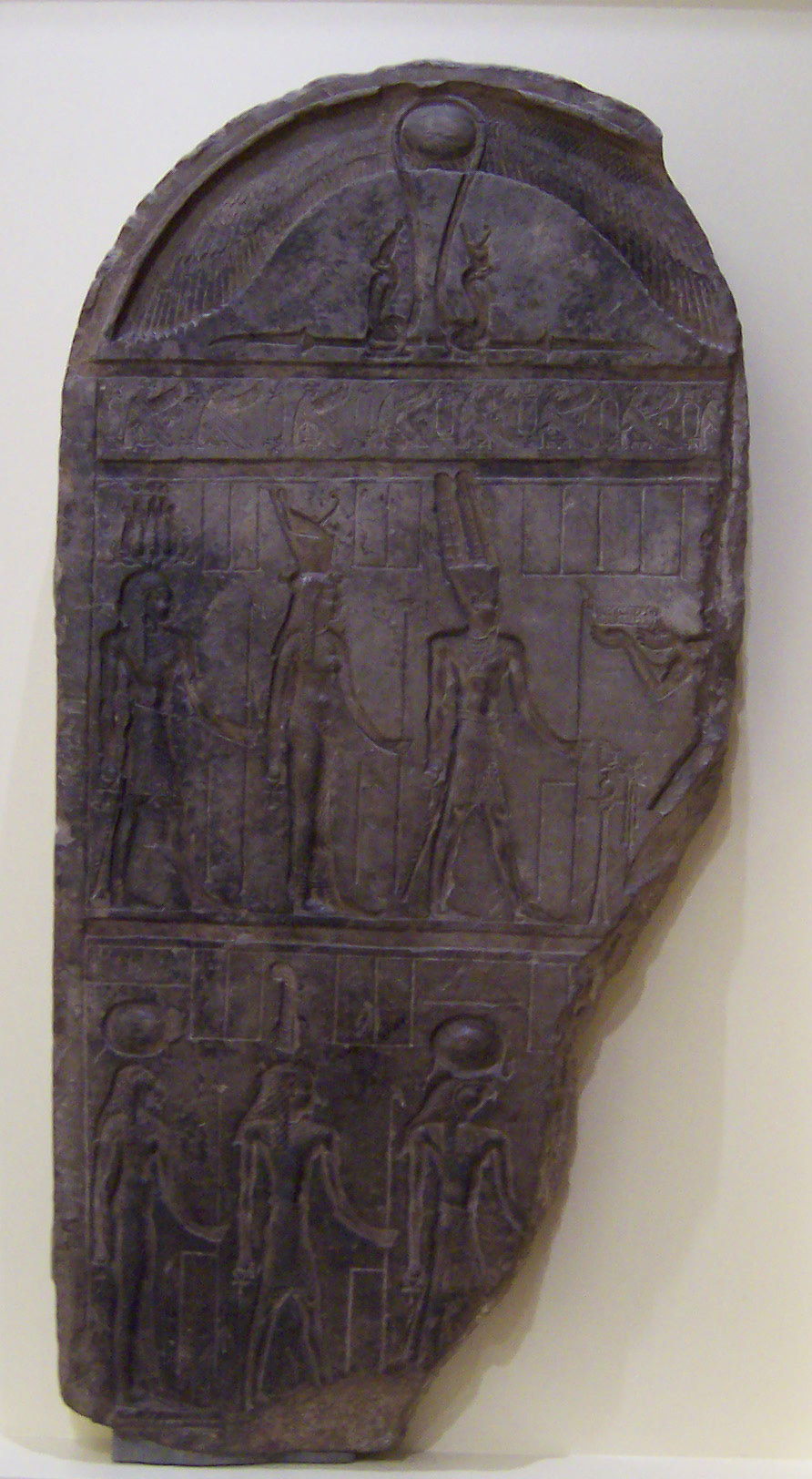
Egyptian religion featured numerous deities with specific roles—creation gods, solar deities, protectors, and funerary figures. Major figures such as Ra, Osiris, Isis, Horus and Amun often appear in myths that explain creation, kingship, death and rebirth. Deities could be depicted as humans, animals, or hybrids, and were invoked with names, epithets and symbolic imagery that conveyed their powers and relationships.
Rituals, temples and priesthood
Ritual practice ranged from state ceremonies performed by the pharaoh and temple clergy to household offerings and magic. Temples functioned as houses for gods where daily rituals, offerings and festivals renewed divine presence. A professional priesthood managed temple economies and ritual knowledge; laypeople participated through offerings, pilgrimages and amulets. Religious texts—such as spells, hymns and funerary guides—helped individuals navigate divine judgment and protection.
Historical development and later transitions
Egyptian religious traditions evolved across centuries, absorbing local cults and changing political contexts. Over roughly three thousand years, different cities and dynasties promoted particular gods at different times. In the later centuries of antiquity, new faiths spread into Egypt: Christianity gained followers in the third and fourth centuries AD and developed a distinct Coptic tradition (Coptic Christianity). After the 7th century Muslim conquest, Islam gradually became the dominant religion (Islam), while earlier forms of Christianity spread earlier across the region (Christianity).
Significance and distinctions
Ancient Egyptian religion is notable for its integration with governance, art and daily life, and for its longevity and adaptability. It combined state-sponsored cultic systems with popular beliefs and magical practices, creating a layered religious landscape. Modern understanding relies on archaeological and textual evidence and continues to be refined. For broader context and comparative perspectives on this religious tradition, see general treatments of ancient faiths and the cultural history of religion.
- Major themes: maat (order), afterlife, divine kingship.
- Practices: temple cults, funerary rites, personal piety and magic.
- Sources: inscriptions, tombs, ritual papyri and monuments.
Questions and answers
Q: How long did the religion of ancient Egypt last?
A: The religion of ancient Egypt lasted throughout their civilization, which was about three thousand years.
Q: What religions did the Egyptian people turn to after the ancient Egyptian religion?
A: The Egyptian people turned to Coptic Christianity and Islam after the ancient Egyptian religion.
Q: Where did the influences for Coptic Christianity and Islam come from?
A: The influences for Coptic Christianity and Islam came from outside of ancient Egypt.
Q: When did Christianity spread across Egypt?
A: Christianity spread across Egypt in the third and fourth centuries AD.
Q: Who brought the Muslim conquest to Egypt?
A: The Islamic conquest was brought by the Muslims to Egypt.
Q: When were most Egyptians converted to Islam?
A: Most Egyptians were converted to Islam by the 10th century, after the Islamic conquest of Egypt in the 7th century.
Q: What religions were dominant in Egypt after the ancient Egyptian religion?
A: Coptic Christianity and Islam were dominant in Egypt after the ancient Egyptian religion.
Related articles
Author
AlegsaOnline.com Ancient Egyptian religion Leandro Alegsa
URL: https://en.alegsaonline.com/art/82030