
Bad Reichenhall: Spa Town and Salt-Working Center in Upper Bavaria
Bad Reichenhall is a Bavarian spa town and district capital known for salt production, alpine surroundings near Salzburg, thermal springs, and its role in regional tourism and industry.
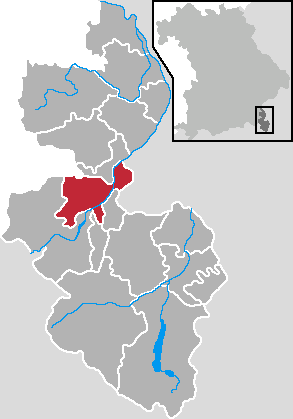
Bad Reichenhall is a historic spa town and the administrative center of the Berchtesgadener Land district in Upper Bavaria, Germany. Nestled in a mountain basin, the town combines a long tradition of therapeutic bathing and salt extraction with contemporary tourism and small-scale industry. Its location close to the Austrian city of Salzburg has shaped cross-border connections in commerce and leisure since the nineteenth century.
Image gallery
10 Images



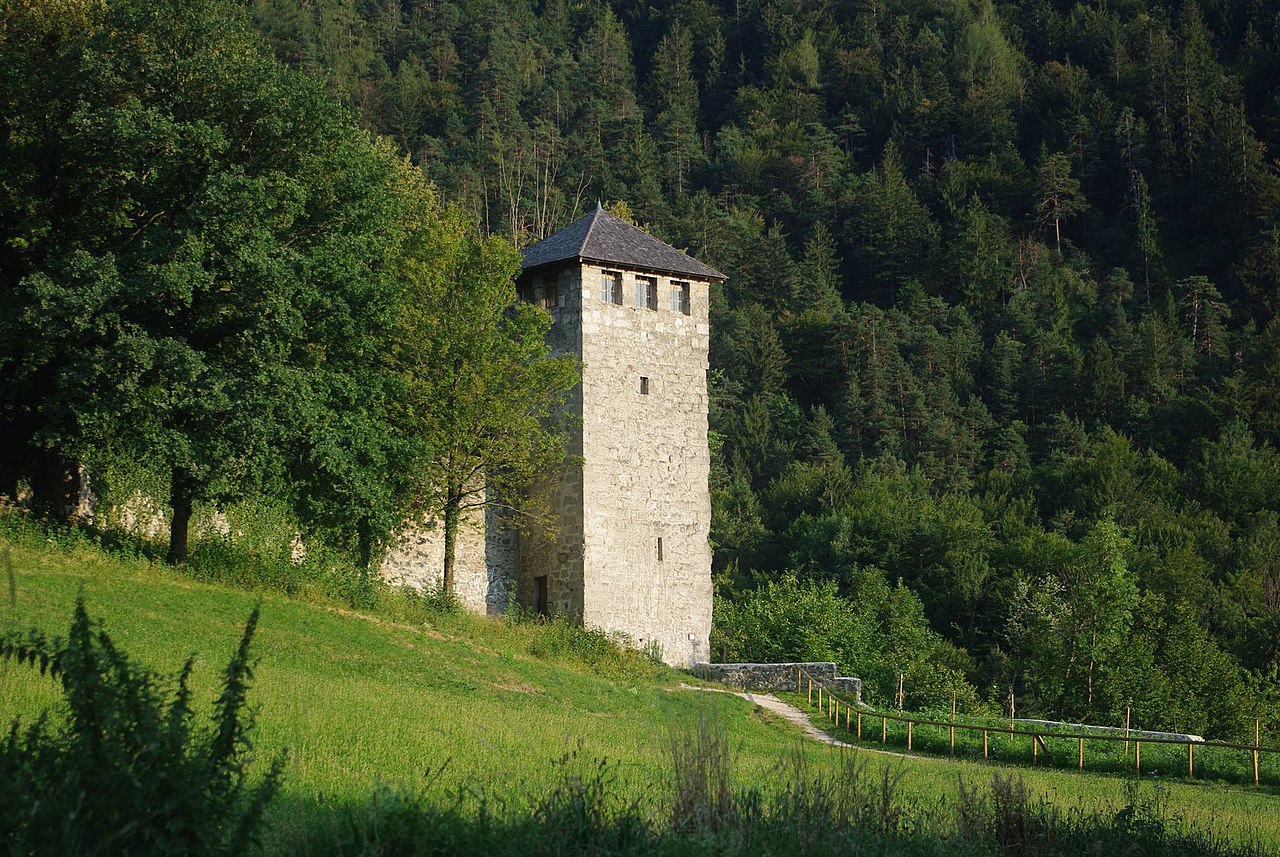

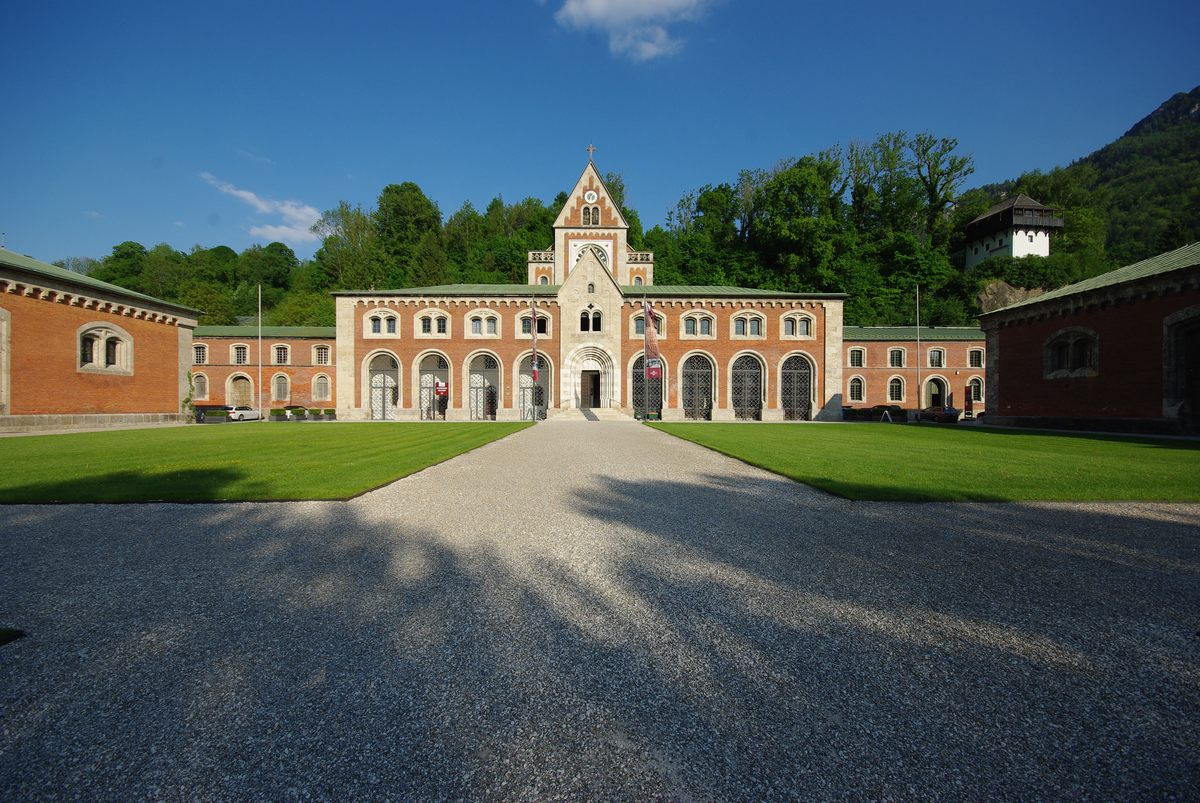
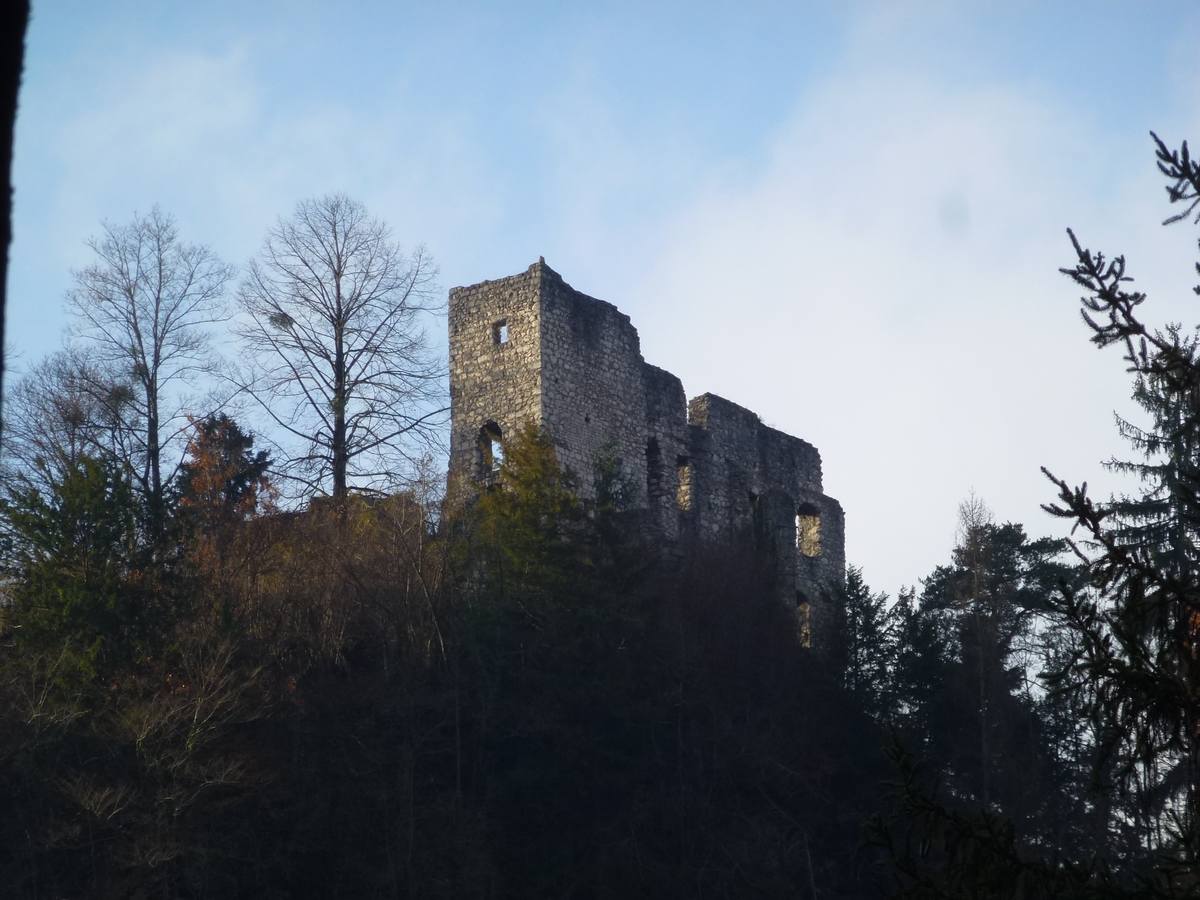
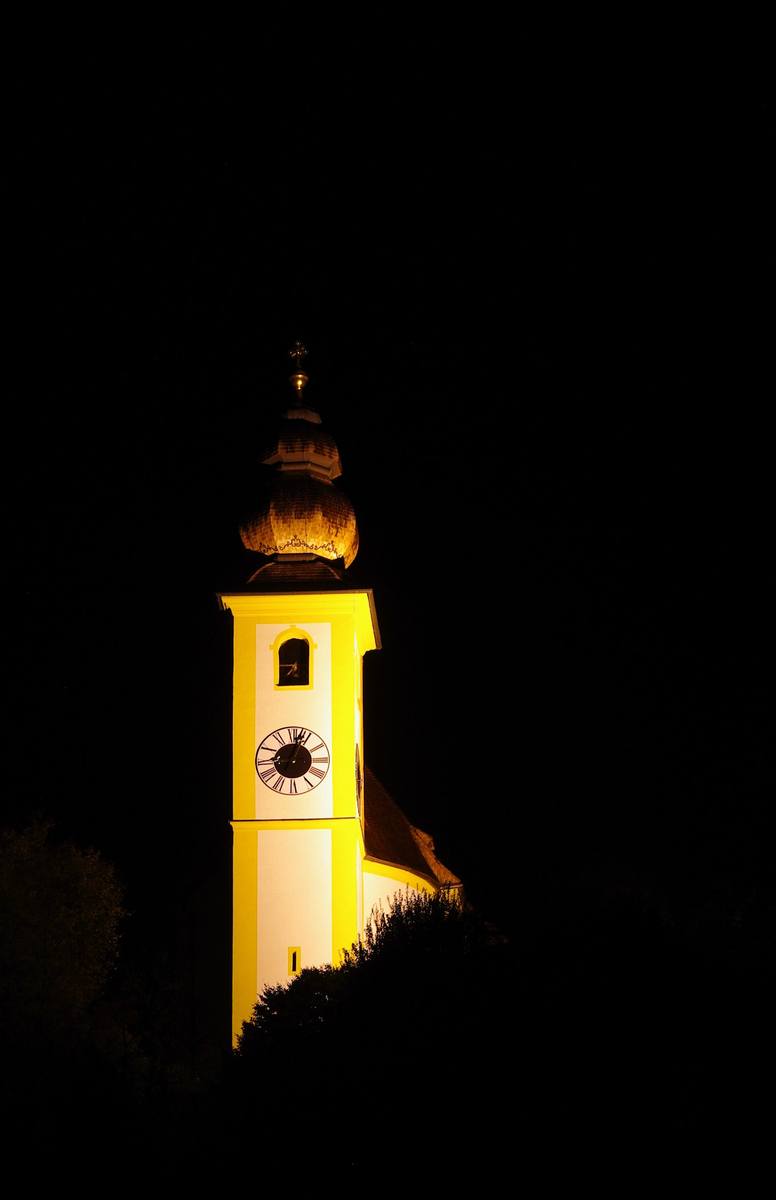
Geography and setting
Surrounded by the northern edge of the Alps, Bad Reichenhall sits beneath prominent peaks such as Mount Staufen (1,771 m) and Mount Zwiesel (1,781 m). The surrounding terrain offers wooded slopes, alpine meadows and a network of trails for hikers and winter sport enthusiasts. The town’s valley position provides sheltered weather and scenic views while remaining accessible by regional roads and rail links serving the alpine tourism corridor.
Salt and health traditions
For centuries the local economy has been dominated by salt extraction. Salt was traditionally recovered by evaporating saline water drawn from nearby brine sources. This salt-working heritage is reflected in local place names, museums and continuing production techniques. The mineral-rich waters and saline atmosphere also underpinned the development of spa facilities: thermal and inhalation therapies remain part of the town’s wellness offer, linking industrial history with health tourism.
Modern economy, tourism and culture
Today Bad Reichenhall blends spa services, small manufacturing and visitor-focused activities. Facilities range from classical Kur (health) establishments to modern leisure centres, while cultural life includes events tied to alpine traditions. Outdoor recreation—hiking, mountain biking, and nearby skiing—draws seasonal visitors, and the town serves as a convenient base for excursions into the Berchtesgaden region and across the border to Salzburg.
Notable facts and safety
Bad Reichenhall is often cited for its combination of natural resources and public amenities. It is the capital of the Berchtesgadener Land district and remains associated with salt production (salt) as a defining industry. The town also experienced national attention after an ice-rink roof collapse on 2 January 2006, a tragic accident that resulted in 15 deaths and multiple injuries; the event prompted reviews of building safety standards in similar public venues.
- Key attractions: spa and wellness centres, salt museum, alpine trails.
- Landscape: encircled by the Chiemgauer Alps and nearby peaks.
- Heritage: long-standing salt extraction from local brine resources.
- Location links: district capital (Berchtesgadener Land), region (Upper Bavaria), country (Germany), and close to Salzburg for international visitors.
As a compact alpine town, Bad Reichenhall preserves an interplay of industrial history, therapeutic tradition and mountain recreation. Visitors and students of regional development will find its combination of salt-working legacy and spa culture illustrative of how natural resources can shape urban identity and local economies in the Bavarian Alps.
Related articles
Author
AlegsaOnline.com Bad Reichenhall: Spa Town and Salt-Working Center in Upper Bavaria Leandro Alegsa
URL: https://en.alegsaonline.com/art/8188
Sources
- destatis.de : "Alle politisch selbständigen Gemeinden mit ausgewählten Merkmalen am 31.12.2018 (4. Quartal)" · web.archive.org
- statistikdaten.bayern.de : "Fortschreibung des Bevölkerungsstandes"
- msnbc.msn.com : "German town mourns after ice-rink collapse"
- commons.wikimedia.org : Bad Reichenhall