
Refractory (heat‑resistant materials)
Materials designed to withstand very high temperatures and harsh chemical environments; used to line furnaces, kilns, incinerators and reactors in industry.
Overview
A refractory is any material formulated to maintain structural integrity and chemical stability at elevated temperatures. Refractories form the protective linings of industrial equipment such as furnaces, kilns, incinerators and chemical reactors. Their role is to contain heat, resist wear and prevent damaging interactions between molten media and construction steel.
Image gallery
1 Image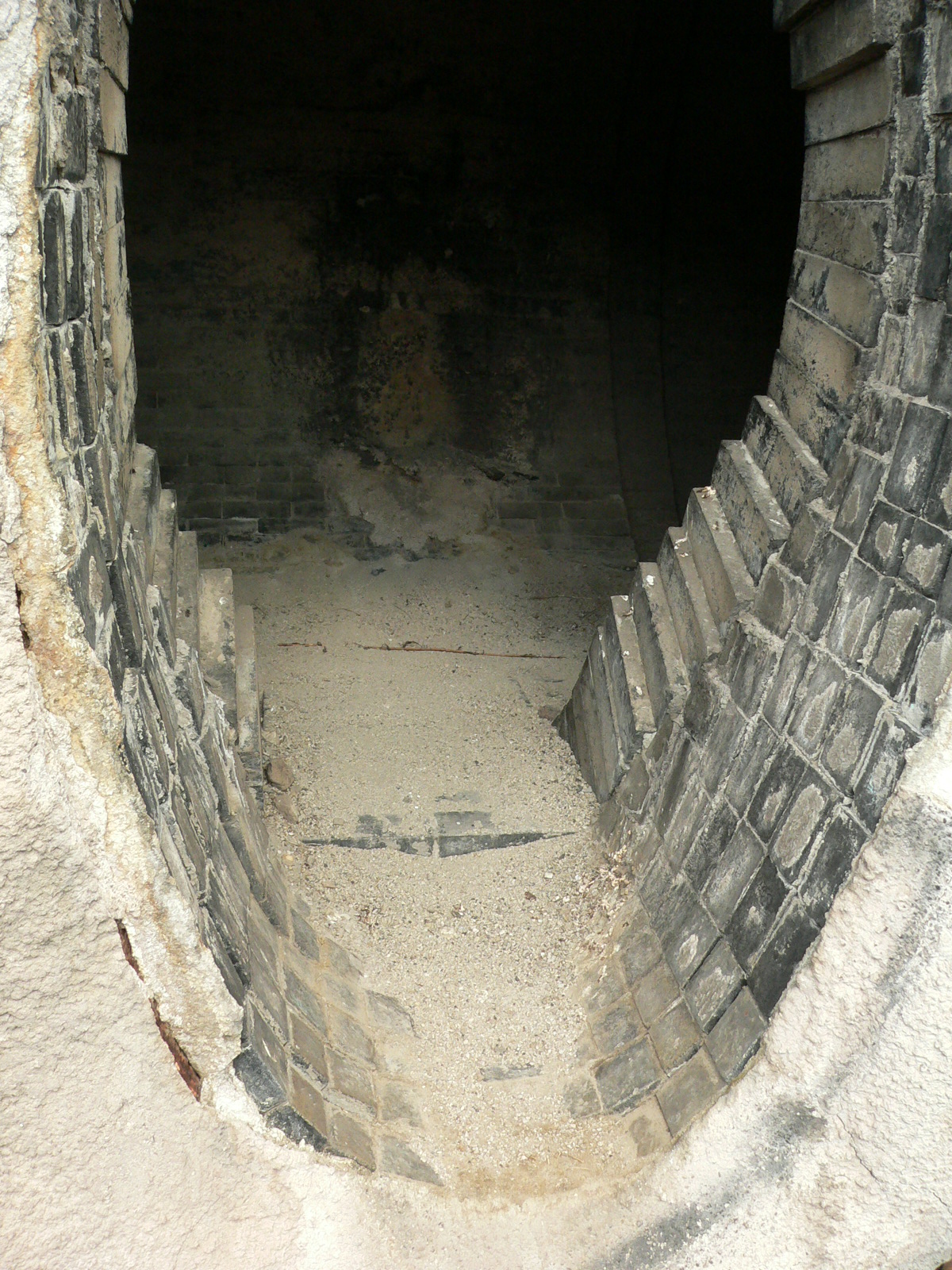
Key characteristics
Essential properties include a high melting point, low thermal conductivity, good mechanical strength at temperature, thermal shock resistance and chemical inertness to slags, gases and fluxes. Designers balance these properties according to operating temperature cycles, presence of corrosive agents and mechanical load. Failure modes commonly involve erosion, corrosion, spalling and creep.
Common materials and classifications
- Alumina (Al2O3): widely used for high‑temperature strength and abrasion resistance.
- Silica (SiO2): common in glass and kiln linings where compatibility with silica‑rich melts matters.
- Magnesia (MgO): resistant to basic slags, used in steelmaking applications.
- Lime (CaO) and calcium‑based mixes: used where specific chemical interactions are required.
- Other options include zirconia, chromia, carbonaceous refractories and engineered ceramics.
Refractories are also grouped as acidic, basic or neutral depending on their chemical response to slags, and as shaped (bricks, tiles) or unshaped/monolithic (castables, gunning mixes, mortars).
History and development
People have used primitive refractory materials since antiquity to line hearths and furnaces; industrialization in the 19th and 20th centuries drove systematic development of specialized bricks and synthetic oxides. Modern advances emphasize engineered composites, improved binders and formulations that extend service life while reducing maintenance downtime.
Applications, maintenance and notable facts
Major applications include steelmaking, non‑ferrous metallurgy, glass production, cement kilns, power plants and waste incineration. Selection depends on operating temperature, type of load (static or dynamic), and chemical environment. Regular inspection, scheduled relining and correct installation of monolithic materials are critical to performance and safety. Recycling and disposal of spent refractories are increasing environmental concerns; many spent materials are now reclaimed for secondary uses.
Useful distinctions
- Shaped vs monolithic: bricks provide modular replacement; monolithics reduce joints and installation time.
- Chemical class: acidic refractories resist acidic slags; basic types resist basic slags.
- Insulating vs dense: insulating refractories lower heat loss, dense types provide wear resistance.
For practical guidance on selection, installation and testing of refractory materials consult industry standards and manufacturer datasheets. Further reading and technical resources are available from equipment suppliers and standards bodies (high temperature resources, furnace lining guides, kiln operation notes). Technical material data sheets for specific compositions such as alumina, silica, magnesia and lime explain performance limits and handling precautions.
Related articles
Author
AlegsaOnline.com Refractory (heat‑resistant materials) Leandro Alegsa
URL: https://en.alegsaonline.com/art/81816