
Kiln: insulated high‑temperature chamber for firing, drying, and processing materials
A kiln is a thermally insulated oven used to heat materials—commonly ceramics, bricks, lime, and metals—under controlled temperatures and atmospheres for drying, firing, sintering, or calcining.
A kiln is a thermally insulated chamber or oven designed to produce and maintain controlled high temperatures for processing materials. Kilns are essential in ceramics, brickmaking, lime production, metallurgy and other industries where heat transforms physical and chemical properties. They range from small electric cabinets used by hobby potters to large continuous industrial installations.
Image gallery
10 Images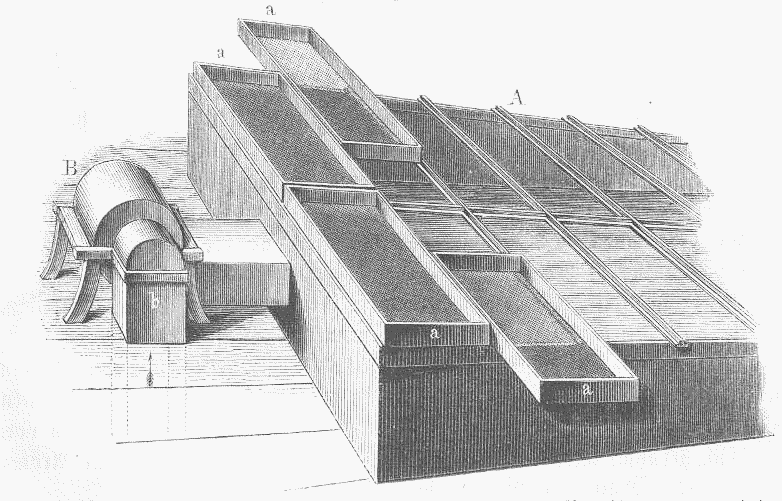




Design and main parts
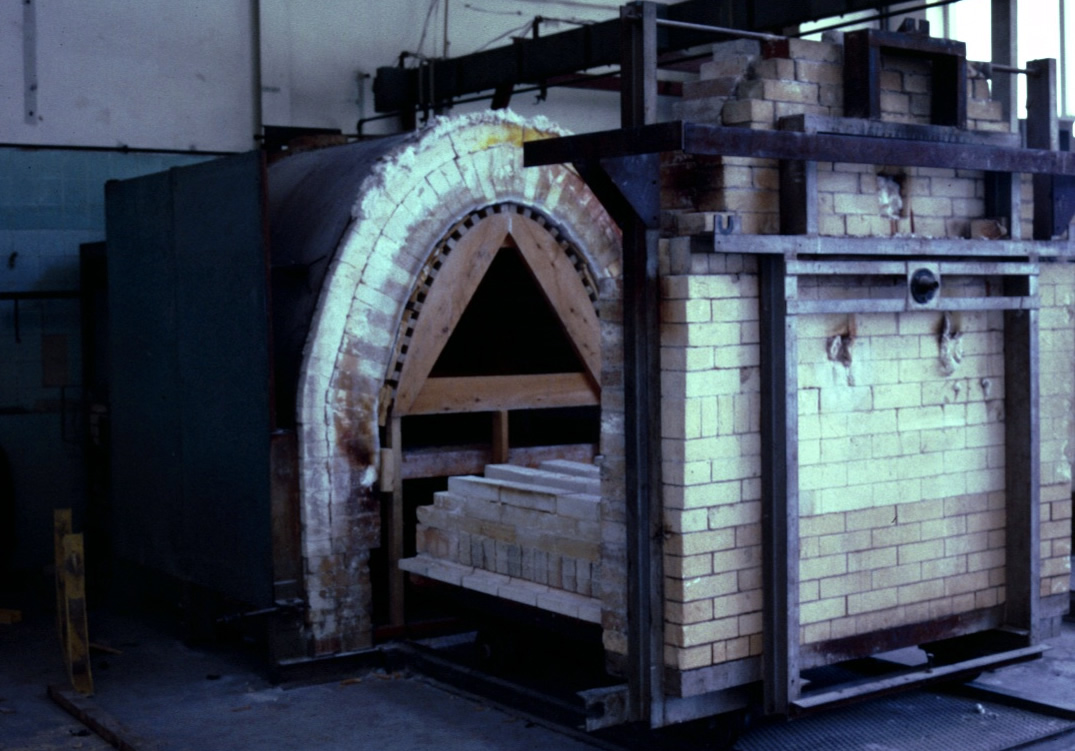
Typical components include an insulated shell to retain heat, a heating source (electric elements, gas burners or fuel-fired hearths), temperature sensors and controllers, loading shelves or conveyor systems, and flues or chimneys for exhaust. Internal supports and refractories—collectively called kiln furniture—hold pieces during firing and protect the structure. Control of atmosphere (oxidizing vs reducing) is important for some processes and is achieved by adjusting air and fuel flows or using sealed systems.
Common types
- Batch kilns: load-and-fire units such as box, bottle or beehive kilns used for pottery and small runs.
- Continuous kilns: tunnel and roller kilns where products move steadily through heated zones for large-scale manufacture.
- Specialized kilns: raku, salt, and wood‑fired kilns for artistic effects; lime and cement kilns for calcination.
Temperature ranges depend on application: kiln firings may span from a few hundred up to over a thousand degrees Celsius, sufficient to dry, harden, vitrify, sinter, or chemically alter feedstock.
History and development
Early evidence of kilns appears with prehistoric pottery and brickmaking: simple ground pits and enclosed chambers evolved into more efficient upward-draft and later downdraft designs. Industrialization brought larger continuous kilns, better insulation materials and mechanical atmosphere and temperature controls. In modern times, electric elements, digital controllers and emissions controls improved reliability and environmental performance.
Uses, importance and distinctions
Kilns are used to fire clay into durable ceramics, cure and sinter technical ceramics, calcine limestone to produce lime, dry wood, and anneal or heat-treat metals and glass. They differ from ordinary ovens (lower temperatures and domestic use) and furnaces (often associated with metallurgical smelting) by their construction, insulation and process control. Contemporary concerns include energy efficiency and pollution; heat recovery and cleaner fuel sources are common upgrades.
For technical specifications, safety guidance and manufacturer details see further information.
Related articles
Author
AlegsaOnline.com Kiln: insulated high‑temperature chamber for firing, drying, and processing materials Leandro Alegsa
URL: https://en.alegsaonline.com/art/53423