
Reforesting: restoring trees and plant communities
Reforesting (reforestation) is the intentional restoration of trees and plants to land where vegetation has been removed, promoting ecological recovery, biodiversity, and long‑term land use.
Reforesting, often called reforestation, is the deliberate renewal of plant cover on land where vegetation has been removed or severely reduced. The term typically applies to trees but can include grasses, shrubs and other plant species used to reestablish a functioning ecosystem. Projects range from small, local plantings to landscape‑scale efforts that reconnect forest fragments.
Image gallery
10 Images


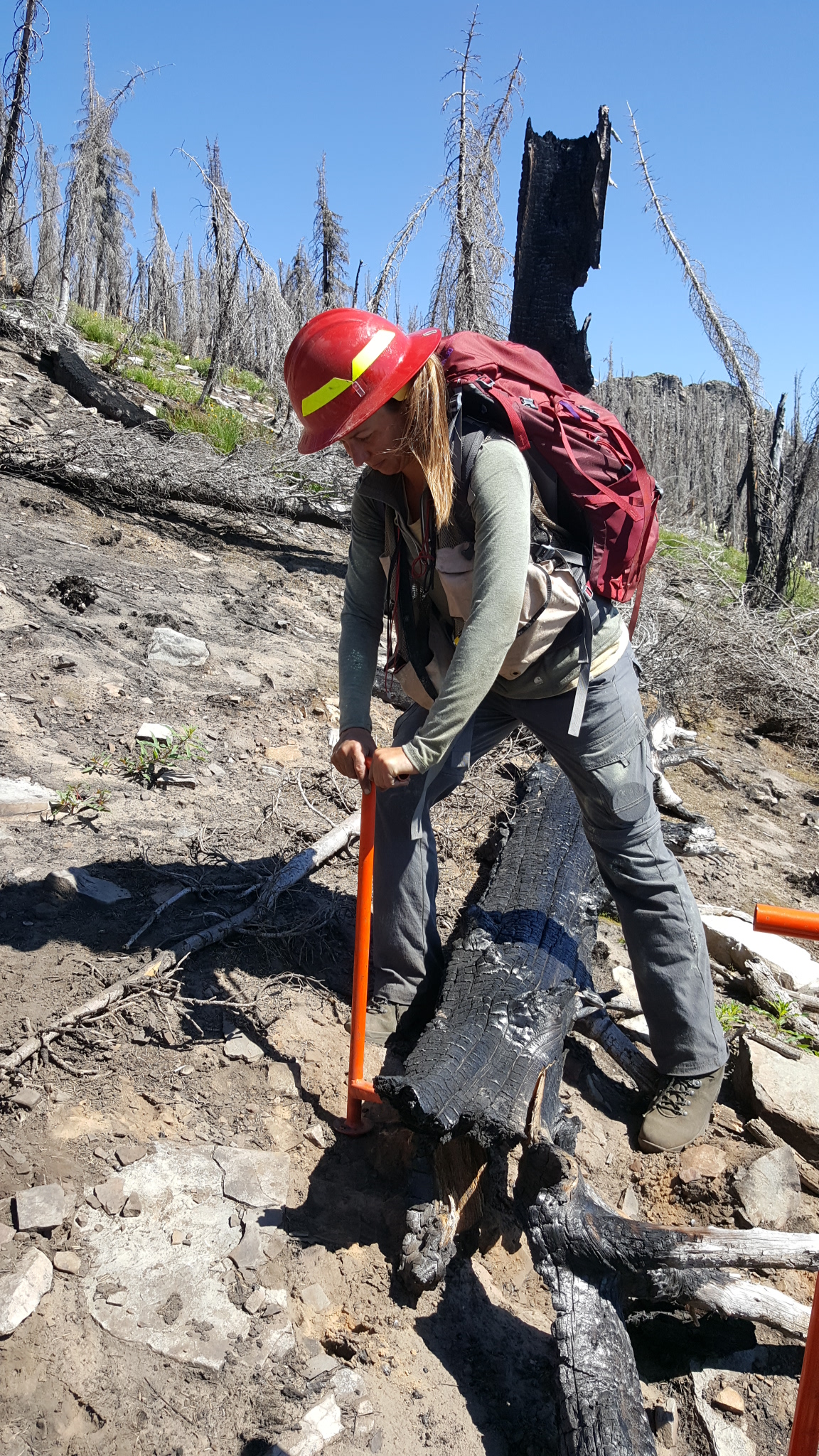
Methods and approaches
There are several ways to reforest an area. Active planting of seedlings is common in degraded sites, while passive or assisted natural regeneration relies on seed sources and protection to allow native vegetation to return. Technical choices depend on climate, soil, and the desired ecological outcomes.
- Planting nursery-grown seedlings or direct seeding.
- Protecting and managing natural regrowth to encourage native species.
- Agroforestry and mixed‑species stands that combine production and conservation goals.
Effective reforesting requires planning. Practitioners select species adapted to local conditions, consider soil health and water flows, and design plant spacing to reduce competition and promote canopy development. Attention to local wildlife, pollinators and wildlife habitats helps restore ecological functions rather than creating monocultures.
Historically, many reforestation efforts have been responses to timber harvesting, agricultural clearance or fires. In some regions large programs were created to recover timber supplies and prevent erosion after lumber production or other extractive uses. More recently, community‑led and conservation‑focused initiatives emphasize biodiversity and climate resilience.
Benefits, uses and challenges
Reforesting can reduce soil erosion, moderate local climate, increase water retention, provide habitat, and store carbon—benefits that support both human communities and wildlife. Governments and NGOs often combine reforesting with sustainable land management to produce wood, non‑timber products and ecosystem services.
However, challenges include ensuring genetic diversity, avoiding invasive species, and monitoring long‑term survival. Poorly planned plantings that use a single species or non‑native trees can undermine ecological goals. Successful programs balance social needs, scientific guidance and sustained management to transform cleared land into resilient forest over decades. For areas cleared through deforestation, reforesting is a key step toward recovery but must be paired with policies that address the original drivers of loss.
Related articles
Author
AlegsaOnline.com Reforesting: restoring trees and plant communities Leandro Alegsa
URL: https://en.alegsaonline.com/art/81805