
Rebus: visual wordplay using pictures, letters, numbers and symbols
A rebus uses images, letters, numbers or symbols to represent words or syllables by sound or appearance. Used in puzzles, signage, logos and language learning, it relies on phonetic substitution.
Overview
A rebus is a form of visual wordplay in which a picture, a letter, a number or a symbol stands in for a different word or syllable because of similar sound, appearance, or conventional shorthand. The technique exploits the pronunciation of elements so that a sequence of signs can be read as a short phrase or sentence in common English or another language. A single image can therefore communicate a complete sentence when combined with other elements.
Image gallery
9 Images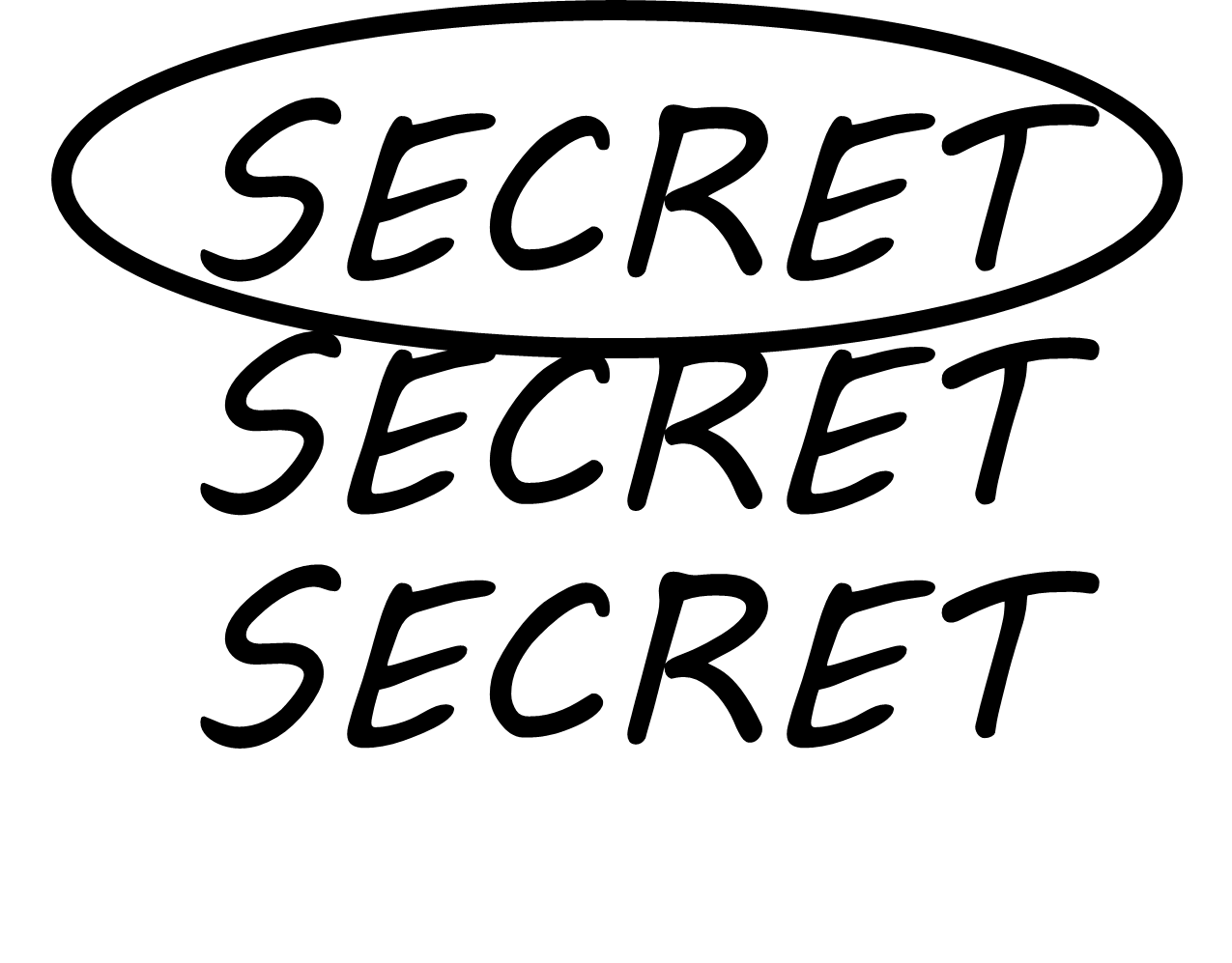


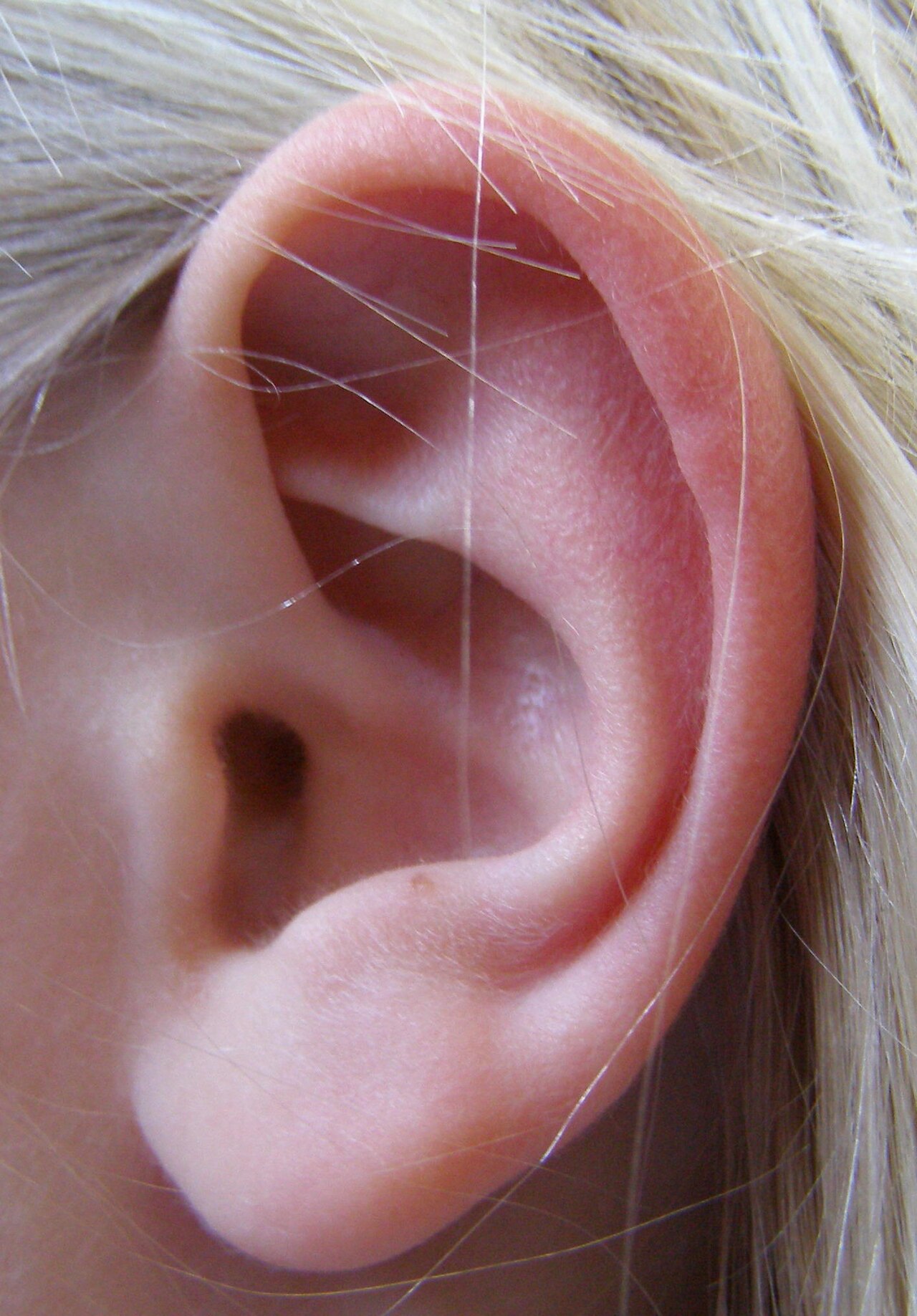


Forms and characteristics
Rebuses may combine whole pictures, single letters, numerals and typographic marks. Common patterns include substituting numerals for sounded words (for example, "2" for "to"), letters for homophones ("C" for "see"), or icons for words (an image of an eye for "I"). They can be literal, phonetic, or mixed: some puzzles ask solvers to assemble the intended message from the sequence of signs, while other uses are idiomatic and widely recognised.
History and development
Simple forms of rebus have existed wherever graphic signs meet spoken language. Early writing systems used rebus principles to represent sounds, and medieval and early modern Europe adopted picture-puzzle devices for signs, emblems and wordplay. Over time the rebus evolved into a recreational puzzle form and a practical shorthand used on shop signs, heraldic devices and informal communication.
Uses and examples
Rebuses appear in puzzle books and newspapers, in educational materials for children and second-language learners, and in modern media such as advertising and logos. They also occur in informal written communication and texting where brevity and sound-alikes are useful. For example, the sentence "I see you tonight" can be compacted into a sequence like "⊙ L C U 2nite", where an eye symbol replaces "I", "C" stands for "see" and "2" stands for "to". Such examples illustrate how rebuses compress spoken phrases into visual shorthand.
Distinctions and notable points
Rebuses differ from pictograms and logograms because they usually represent words by sound rather than by literal meaning alone. A pictogram conveys the depicted object; a rebus repurposes that depiction for its phonetic value. They are also distinct from cryptograms and charades: rebuses rely on substitution rather than coded encryption or multi-part clueing. Their playful combination of image and language makes rebuses a useful tool for teaching phonetics, for creating memorable branding, and for recreational puzzle-solving.
Further reading
- Examples and puzzle collections often introduce the rebus form step by step and show common conventions.
- Studies of writing systems discuss how the rebus principle underlies some historical developments in phonetic notation.
Questions and answers
Q: What is a rebus?
A: A rebus is a picture, letter, number, or symbol that represents a different word that has a similar pronunciation.
Q: What is an example of a rebus?
A: An example of a rebus is using the symbol "⊙", which is a picture of an eye, to represent the word "I" because it sounds the same.
Q: Can a letter be used in a rebus?
A: Yes, a letter can be used in a rebus to represent a word that sounds like the letter or as a contraction.
Q: Is it common to use a rebus in text messages?
A: It is not very common to use a rebus in text messages, but it can be used for concise or playful communication.
Q: How many symbols are used in the example of the rebus given?
A: The example of the rebus given uses six different symbols, including a picture, a letter, a number, and three different words.
Q: How does a rebus work?
A: A rebus works by using a picture, letter, number, or symbol to represent a different word that has a similar pronunciation.
Q: What is the purpose of a rebus?
A: The purpose of a rebus is to communicate concisely or playfully, often by representing words that sound similar with pictures or symbols.
Related articles
Author
AlegsaOnline.com Rebus: visual wordplay using pictures, letters, numbers and symbols Leandro Alegsa
URL: https://en.alegsaonline.com/art/81542