
Rayon: a semi-synthetic cellulose fiber — production, types, properties
Rayon is a semi-synthetic textile fiber made by chemically processing natural cellulose. This article outlines how it’s produced, major types (viscose, modal, lyocell), properties, uses, care and environmental issues.
Rayon is a manufactured, reconstituted cellulose fiber used widely in textiles and industrial products. Although produced by chemical processes, its raw material is natural cellulose rather than petrochemicals, so rayon is classified as a semi-synthetic fiber. The basic raw material is purified plant cellulose, typically from wood pulp; see purified cellulose for more on the substance used.
Image gallery
9 Images

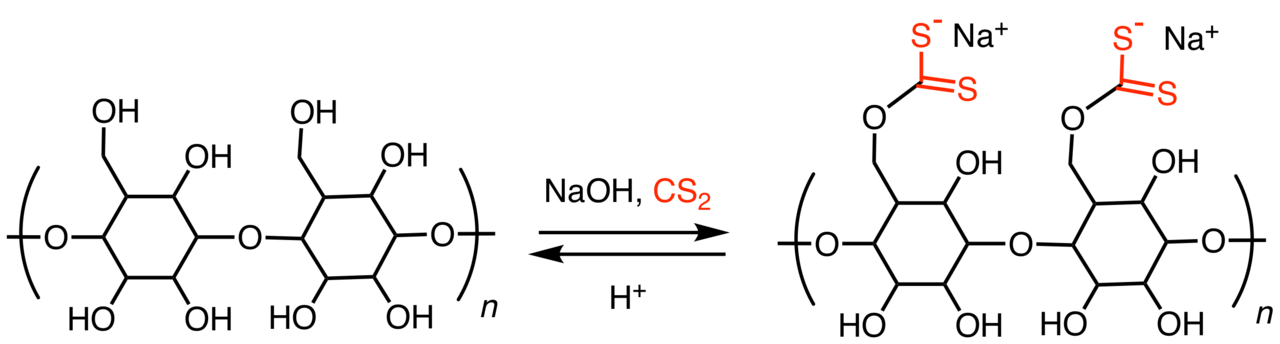


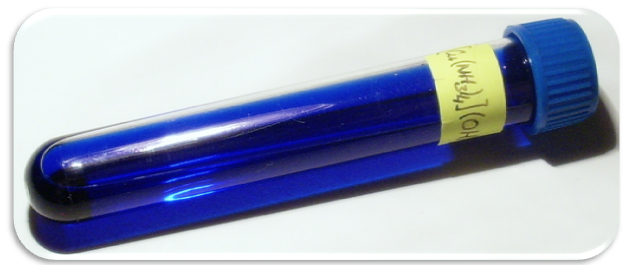


How rayon is made
Production converts cellulose into a soluble intermediate which can be extruded into filaments. The cellulose is first chemically transformed into a soluble compound — often called a wet-spinning precursor — and then chemically changed into a soluble compound suitable for spinning. The solution is then dissolved and forced through a spinneret to form continuous filaments, which are coagulated or regenerated into nearly pure cellulose fibers. Because the fiber is regenerated from naturally occurring polymers, it is considered semi-synthetic; see naturally occurring polymers for context.
Major types and variants
Several processes produce distinct commercial rayon varieties. The most familiar are viscose rayon, modal, and lyocell. Viscose uses a carbon disulfide based route and is the oldest and most common form. Modal is a high-wet-modulus variant of viscose that is softer and more resilient. Lyocell is produced by a more direct solvent-spinning method and is marketed for its improved strength and lower environmental impact.
Characteristics and common uses
Rayon resembles natural fibers in feel and drape, often chosen for garments where softness and breathability are desired. Typical attributes include:
- Soft, absorbent, and comfortable against skin
- Good drape and dyeability
- Can shrink or weaken when wet unless specially treated
Common applications include shirts, dresses, linings, home textiles, nonwoven wipes, and industrial uses such as tire cords and medical products when modified for those roles.
Environmental considerations and care
Environmental impacts depend heavily on the production method. Traditional viscose processes can use toxic chemicals and consume substantial water and energy unless waste is carefully managed. Lyocell processes use more benign solvents with higher recovery rates, reducing some of those concerns. For consumers, care labels should be followed: many rayon garments require gentle washing or dry cleaning to avoid distortion, and ironing at moderate temperatures is recommended to maintain appearance and strength.
Overall, rayon occupies an intermediate position between fully synthetic fibers and untreated natural fibers, offering a blend of plant-based origin and engineered performance that has led to wide use in fashion and technical textiles.
Related articles
Author
AlegsaOnline.com Rayon: a semi-synthetic cellulose fiber — production, types, properties Leandro Alegsa
URL: https://en.alegsaonline.com/art/81400
Sources
- ui.adsabs.harvard.edu : 1993JChEd..70..887K · web.archive.org
- doi.org : 10.1021/ed070p887