
Refinery — Industrial Facilities for Converting Raw Materials into Usable Products
A refinery is an industrial plant that processes raw materials—most commonly crude oil—into finished products like fuels, lubricants and petrochemical feedstocks, with distinct processes, units, and environmental controls.
A refinery is an industrial facility that transforms raw feedstocks into products of higher commercial value. While the term is most often associated with crude oil processing, refineries also operate for metals, sugar, natural gas liquids and biomass. The core idea is to separate, purify and chemically convert incoming material so it meets specifications for sale or for use as a chemical feedstock.
Image gallery
3 Images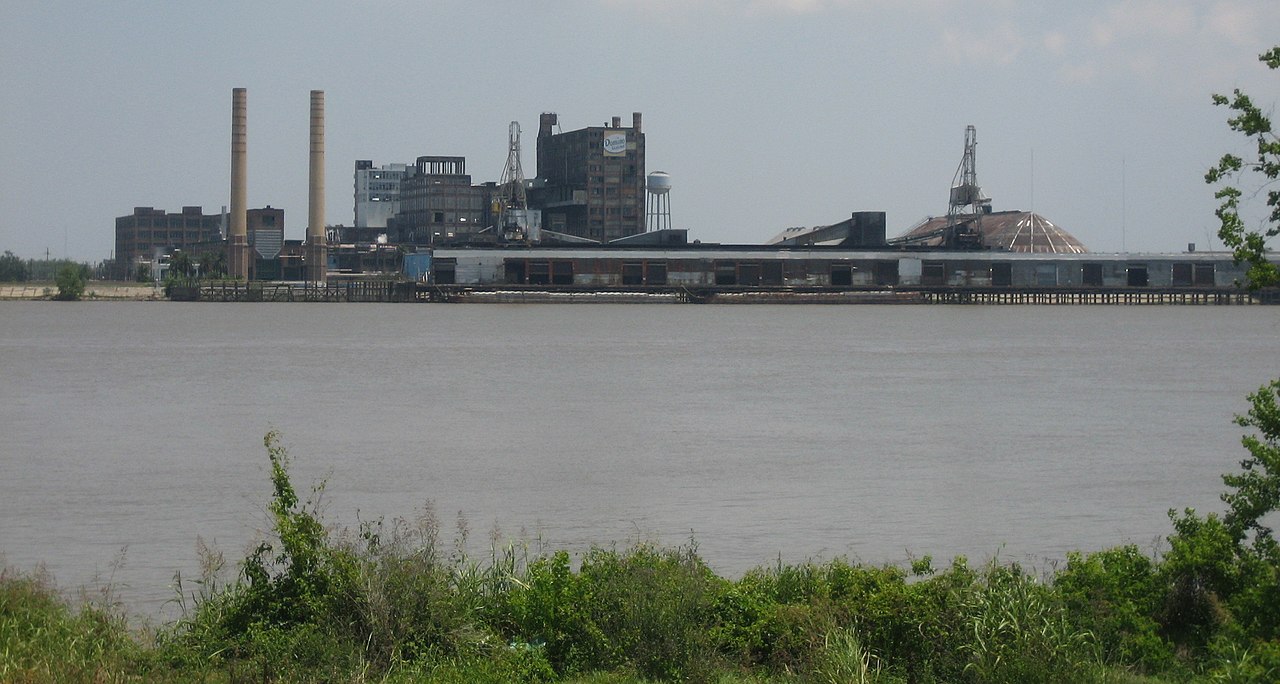


Types and common characteristics
Refineries vary by feedstock and output but share common elements: large process units, heat exchange networks, storage tanks and extensive piping. Typical types include:
- Petroleum refineries that produce fuels and petrochemicals.
- Metals refineries (e.g., copper, aluminum) that purify extracted ore or metal.
- Sugar refineries that convert raw cane or beet into refined sugar.
- Biorefineries that process biomass into fuels, chemicals and materials.
Processes and major units
Key processing steps combine physical separation and chemical conversion. Major units in a conventional petroleum refinery include atmospheric and vacuum distillation columns, catalytic crackers, reformers, hydrotreaters, cokers and alkylation units. Common operations are:
- Fractional distillation to separate components by boiling point.
- Cracking and reforming to change molecular structure and improve fuel quality.
- Hydrotreating to remove sulfur and other contaminants.
- Blending and treating to achieve product specifications.
History and development
Refining developed alongside industrialization and the growth of the chemical and transport sectors. Early refining focused on kerosene and lubricants; later advances created high-octane gasoline, diesel, jet fuel and a vast array of petrochemical feedstocks. Over time technological advances improved yields, safety and environmental control.
Uses, importance and impacts
Refineries supply fuels for transportation, heating and power, as well as feedstocks for plastics, fertilizers and many industrial chemicals. They are economic anchors for regions but also concentrate hazards: air emissions, wastewater, solid residues and risks of fire or explosion. Regulation, emission controls and safety systems are major components of modern operations.
Distinctions and modern trends
Refineries differ from chemical plants in that they often focus on separation and bulk conversion of raw material into standard fuels and intermediates, while chemical plants may synthesize discrete molecules. Current trends include integration of renewable feedstocks, hydrogen management, carbon-reduction measures, increased automation and digital optimization to improve efficiency and reduce environmental footprint.
Related articles
Author
AlegsaOnline.com Refinery — Industrial Facilities for Converting Raw Materials into Usable Products Leandro Alegsa
URL: https://en.alegsaonline.com/art/81794