
Raspberry Pi: compact single-board computers for learning and projects
The Raspberry Pi is a low-cost, credit-card sized single-board computer series created to promote computing education and enable hobbyist, industrial and educational projects.
Overview
The Raspberry Pi is a family of small, low-cost single-board computers designed for education, prototyping and embedded applications. Produced by the Raspberry Pi Foundation in the United Kingdom, the devices are compact—roughly the size of a credit card—making them convenient for desktop experimentation, portable projects and install-in-place use such as kiosks and appliances. Learn more about the foundation: Raspberry Pi Foundation.
Image gallery
10 Images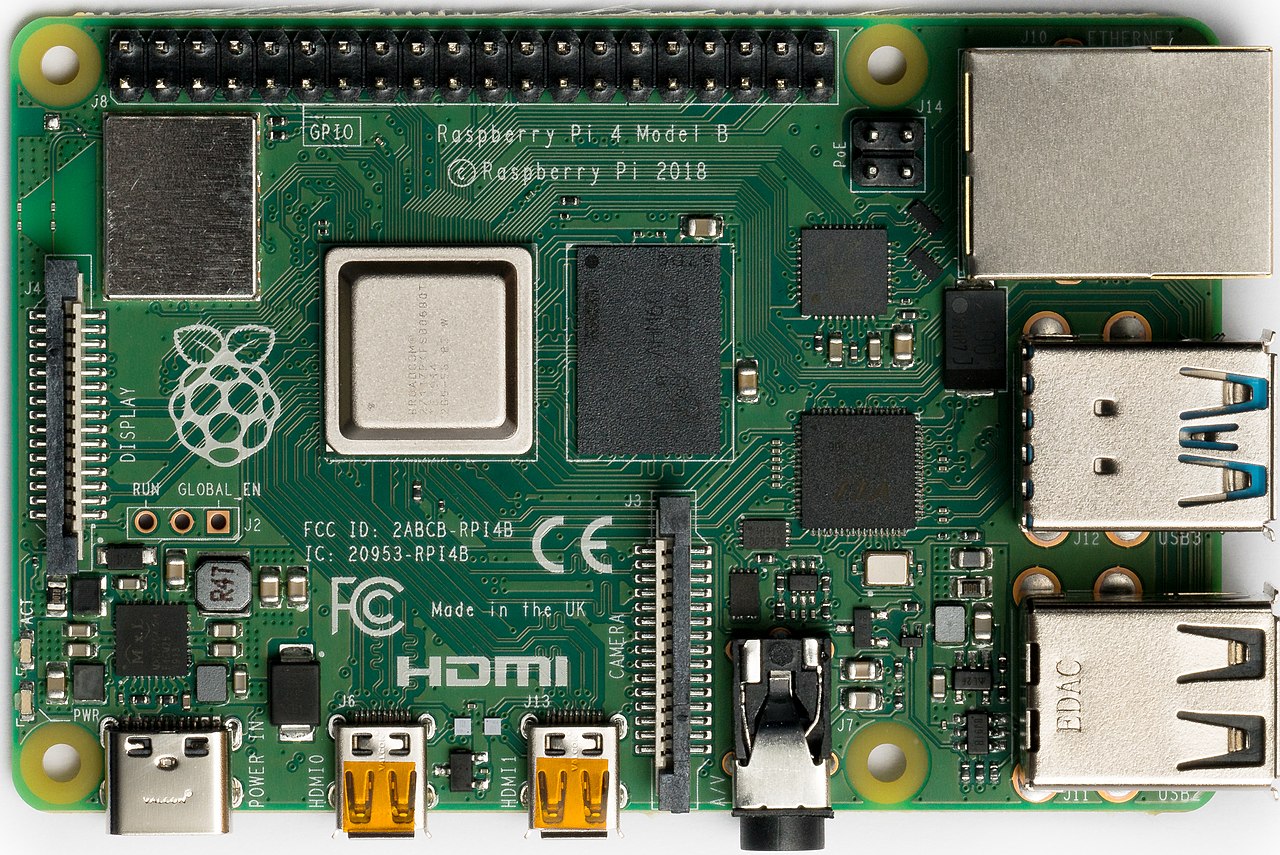


Design and characteristics
Models vary in processing power, memory, and input/output, but most provide: a CPU and GPU, onboard storage via SD/flash, USB ports, display output, and general-purpose input/output (GPIO) pins for connecting sensors and actuators. Newer boards commonly include wireless networking and HDMI video outputs. The small form factor and accessible interfaces make them ideal where space and cost are constrained; they are often described as "credit-card" sized devices (credit-card size).
History and purpose
The project began as an educational initiative to improve computing and programming skills, especially in schools and among learners of all ages. Its mission emphasises advancing education in computing and related disciplines such as computer science. Over time the platform evolved from a simple learning tool into a broadly adopted embedded platform used by hobbyists, researchers and industry.
Common uses and examples
- DIY cameras and photography projects — see cameras.
- Retro and emulation systems functioning as video game consoles.
- Robotics and automation controllers — many builders use Pis to drive robots.
- Lightweight web hosting and network services such as small web servers.
- Home entertainment and streaming boxes operating as media centres.
Platform ecosystem and distinctions
A large community maintains software, documentation and add-on hardware. The foundation distributes an official operating system optimized for the platform, and many third-party Linux distributions and tools support it. Accessories include HATs (Hardware Attached on Top) for audio, motor control, and sensor expansion, plus small compute modules aimed at industrial integration. Compared with full-size desktop PCs, Raspberry Pi boards trade raw performance for affordability, low power consumption and easy hardware interfacing.
Why it matters
Raspberry Pi devices have lowered barriers to hands-on computing and electronics learning, enabling students, hobbyists and professionals to prototype ideas quickly and cheaply. Their versatility has helped spark a wide range of projects—from classroom exercises to commercial prototypes—making the platform an influential part of modern maker and education movements.
Related articles
Author
AlegsaOnline.com Raspberry Pi: compact single-board computers for learning and projects Leandro Alegsa
URL: https://en.alegsaonline.com/art/81237
Sources
- raspberrypi.org : "About Us"