
RCA connector (phono/cinch): analog audio and video plug
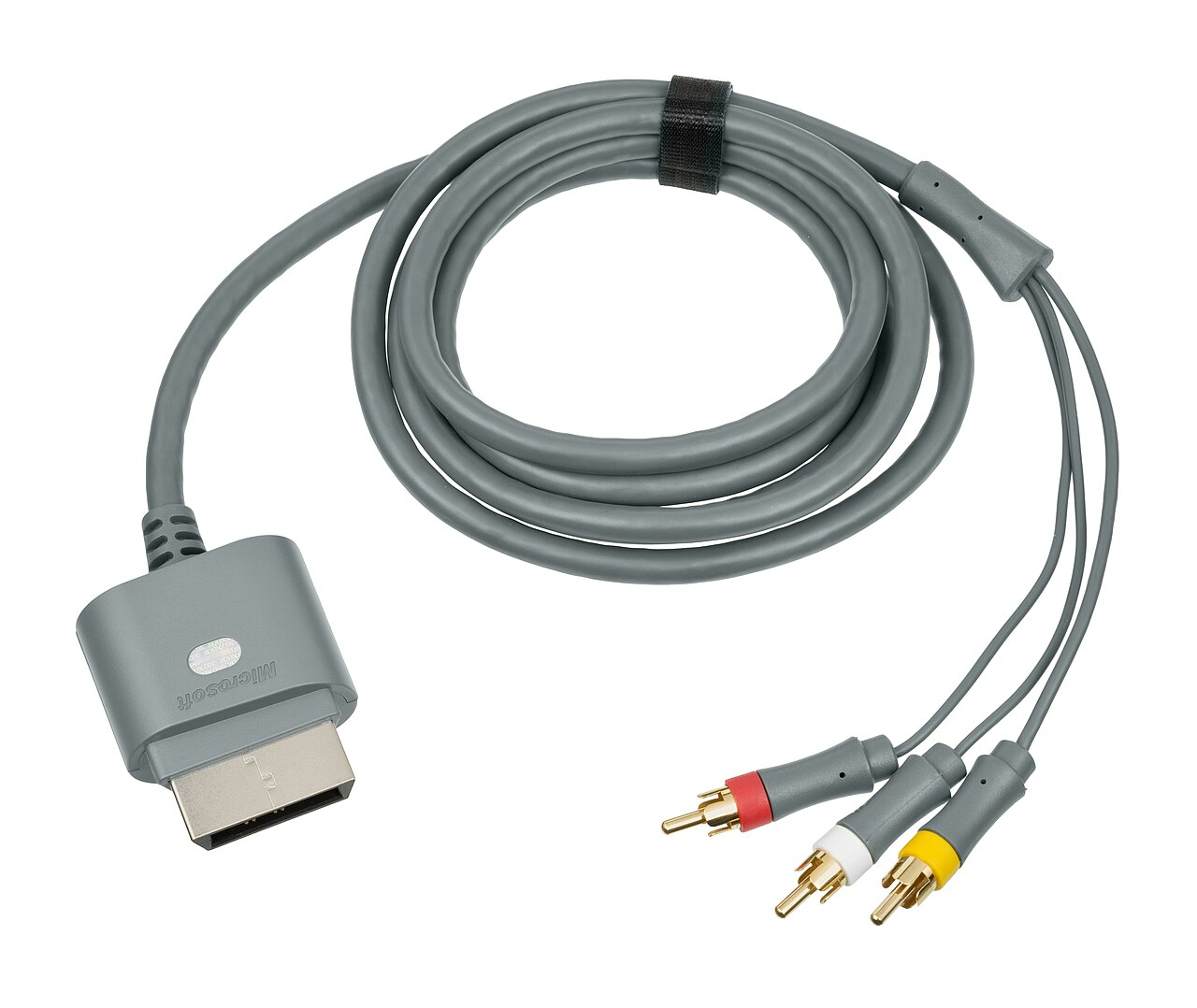
RCA connector, also called phono or cinch, is a common unbalanced analog connector used for consumer audio and video; familiar color coding: yellow (video), white/black (left), red (right).
Overview
The RCA connector is a simple coaxial electrical connector widely used to carry analog audio and composite video signals. It consists of a central pin that conducts the signal and an outer ring that provides the return (ground). In consumer electronics it is often called a phono connector or cinch connector.
Image gallery
10 Images





Design and common variants
Mechanically, an RCA plug is non‑locking and plugs into a matching jack. Most consumer RCA cables are unbalanced and pair a signal conductor with a shield. There are also precision versions made to controlled impedances (commonly 75 Ω) for use with high‑quality video or broadcast equipment. RCA connectors come in male plugs and mounted female jacks for equipment panels.
Color coding and wiring
Color coding helps users match connections. Typical conventions include:
- Yellow – composite video (one signal for luminance and chrominance)
- White or black – left audio channel
- Red – right audio channel
Component video systems reuse RCA plugs with different colors (for example green, blue, red) to carry separate Y/Pb/Pr signals instead of composite video. See common wiring examples at color code references.
History and terminology
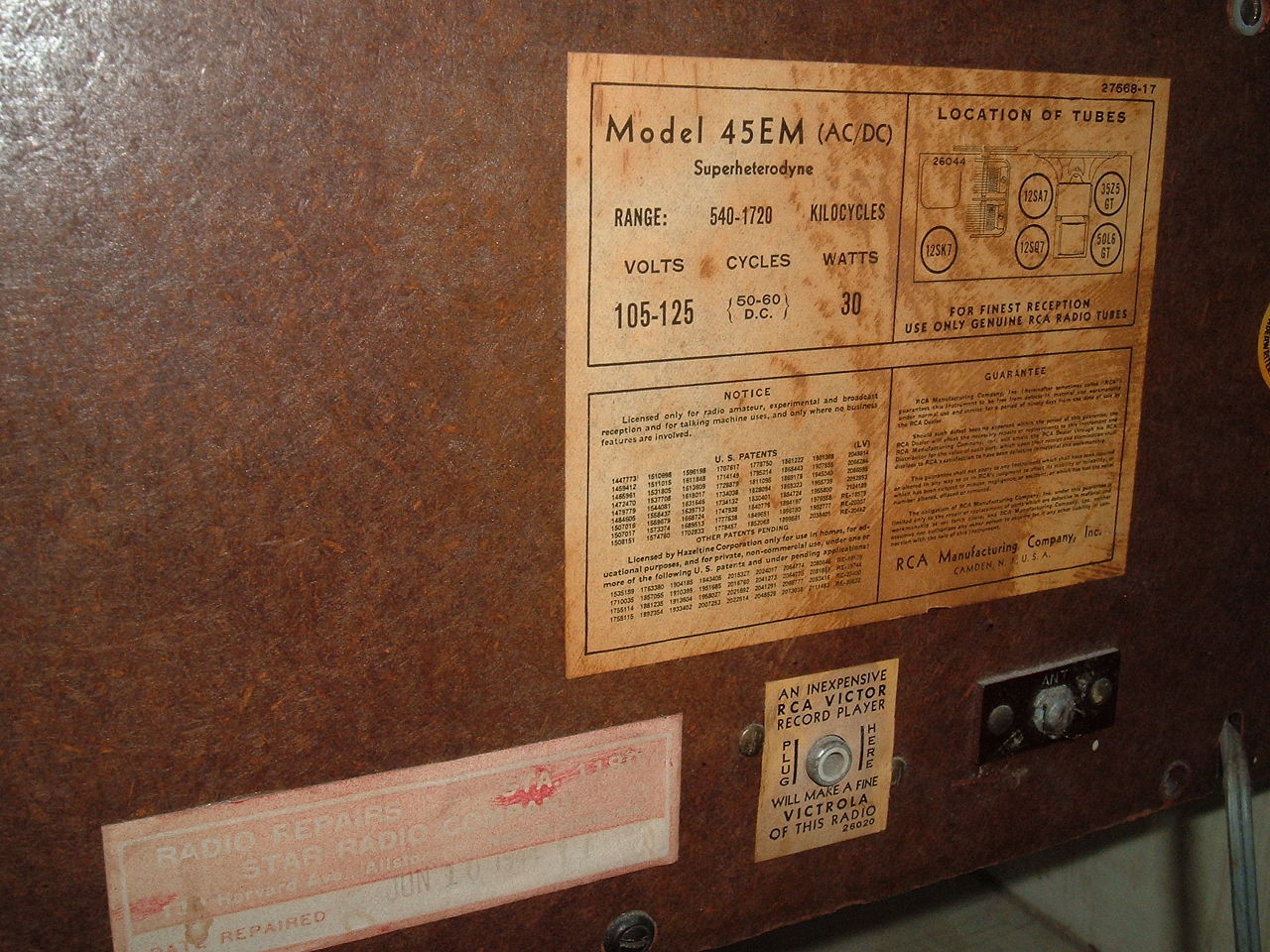
The connector was introduced by the Radio Corporation of America in the 1940s to link phonograph players to amplifiers, which is why the term "phono" appears in some regions. Over time the simple, inexpensive design spread across tape decks, VCRs, game consoles and camcorders. For background on its origins and manufacturer history, consult sources such as historical notes.
Uses, adapters and examples
RCA remains common for legacy consumer equipment: stereo audio hookups, composite video inputs on older televisions, and component video connections. Many adapters bridge RCA to other formats, for example 3.5 mm audio jacks, XLR for professional audio, BNC for locked video connections, or digital converters to HDMI. Practical examples and signal descriptions are available in general audio/video guides at audio resources and video resources.
Limitations and notable distinctions
Although convenient, RCA connectors are susceptible to noise on long runs, lack locking mechanisms, and carry analog signals only. They have mostly been superseded in new consumer devices by digital interfaces such as HDMI, which can carry multichannel audio and high‑definition video over a single cable. For professional or broadcast work, alternatives like BNC or balanced XLR are often preferred.
Related articles
Author
AlegsaOnline.com RCA connector (phono/cinch): analog audio and video plug Leandro Alegsa
URL: https://en.alegsaonline.com/art/81422