
Rapids: Whitewater Sections of Rivers — Formation, Features, and Use
Rapids are turbulent sections of rivers formed by gradient, constriction, obstruction and flow; they create whitewater, support recreation like rafting and kayaking, and influence river ecology and navigation.
Overview
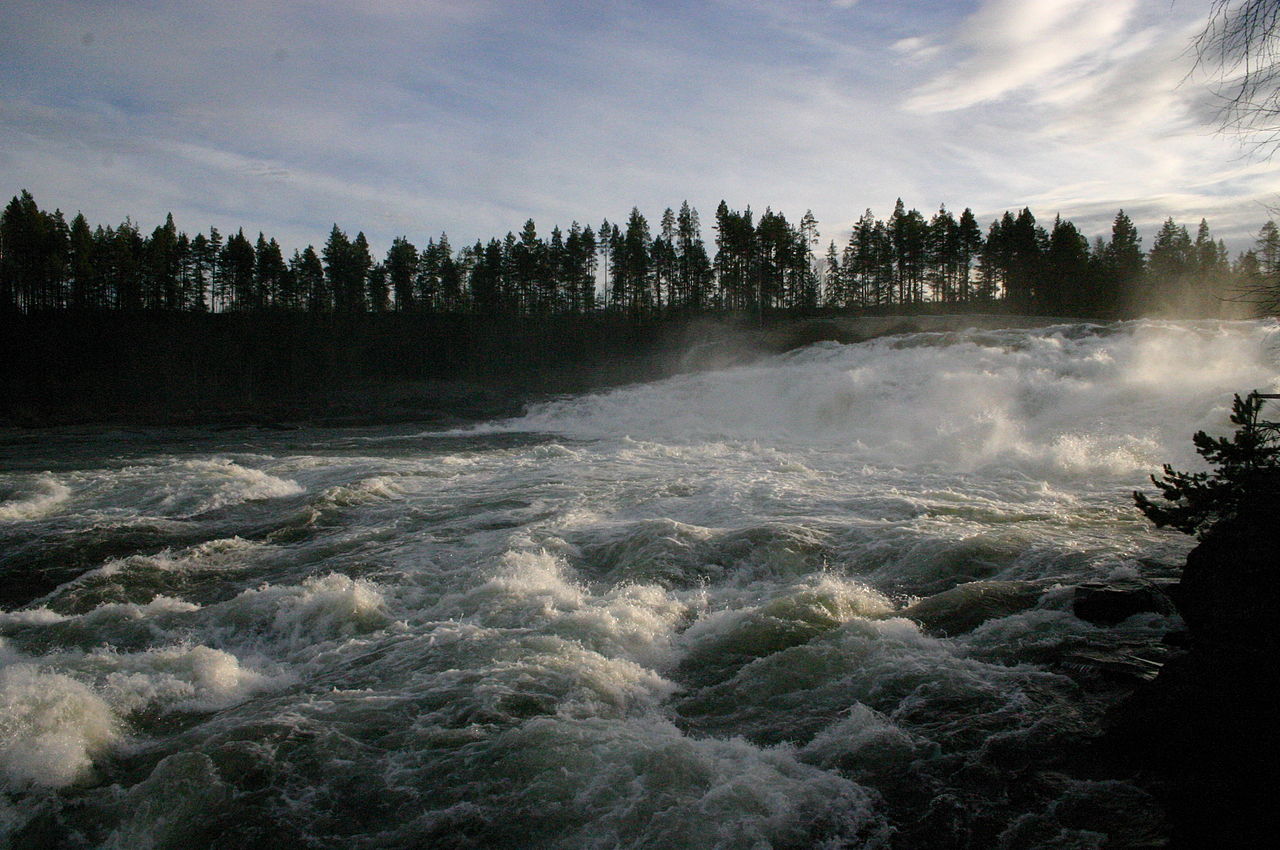
Rapids are stretches of a river where flowing water becomes turbulent and aerated, producing the white, frothy appearance commonly called whitewater. They occur where the channel slope, bed roughness, or narrowing causes water to accelerate and break into waves, boils, and hydraulic features. Rapids are most often associated with upland or mountainous terrain but can form in many settings where riverbed conditions change. For general information about rivers and river systems see rivers, and for typical mountain settings see mountains.

Image gallery
10 Images





Key characteristics and components
- Gradient: A steep slope increases gravitational energy and flow velocity, often creating rapids.
- Constriction: Narrowing of the channel concentrates flow and raises turbulence.
- Obstruction: Boulders, rock ledges, fallen trees and shoals disrupt smooth flow and generate waves, holes and eddies.
- Discharge and flow rate: Seasonal or weather-driven changes in water volume alter the size and character of rapids.

Formation and geomorphology
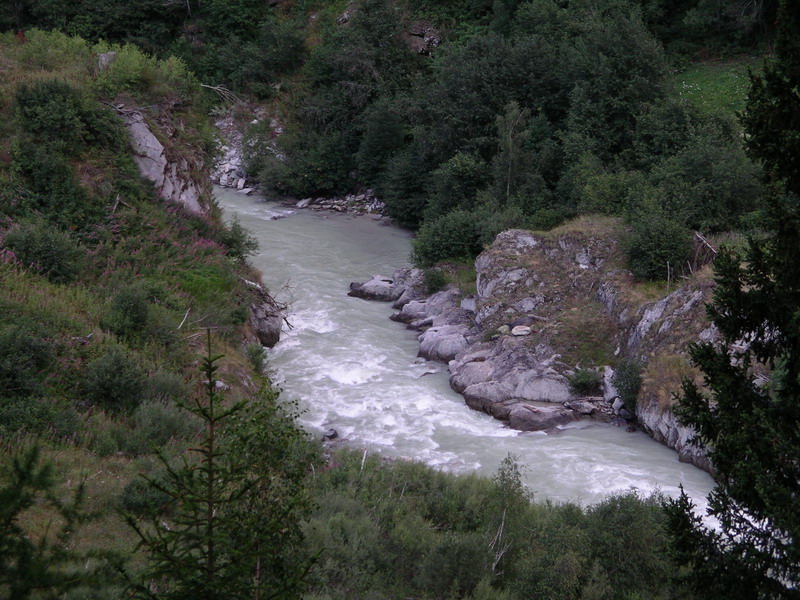
Rapids develop where bed material resists erosion, where hard rock forms steps in the channel, or where changes in sediment supply and channel shape produce irregular flow. Geomorphologists study how rapids migrate, evolve, and influence downstream channel form. Specific hydraulic features within rapids include standing waves (caused by flow over submerged obstacles), holes or hydraulic jumps (where returning currents trap water), and eddies (backward-flowing zones behind obstructions). For regional examples and images, consult resources on localized rapids such as those in Romania and on the Rhone in Switzerland.
Recreation, safety and human use
Whitewater rapids are focal points for recreation: rafting, whitewater kayaking, canoeing, and competitive events all rely on turbulent water features. Rapids are commonly graded on a difficulty scale (ranging from easy, controlled conditions to extreme and dangerous), which helps paddlers assess risk. Safety measures include proper flotation devices, helmets, route scouting, and an understanding of hydraulics. Commercial rafting operations and guided trips are common on popular rivers; for examples of recreational use see accounts of canoeing in Colorado and rafting on the Ottawa River in Canada (details).

History, ecology and notable distinctions
Historically, rapids have influenced human settlement, transport and industry: they can block navigation and concentrate fish populations, making them important fishing sites. Many cultures built portages—overland detours around rapids—to move boats and goods. Ecologically, rapids create habitats for specialized aquatic organisms that tolerate high oxygenation and fast flows. Linguistically, the term is usually treated as plural in English (like "scissors") but is sometimes used in the singular when referring to a named rapid or a single feature. For additional reading and photographic examples, see linked regional resources above.

Related articles
Author
AlegsaOnline.com Rapids: Whitewater Sections of Rivers — Formation, Features, and Use Leandro Alegsa
URL: https://en.alegsaonline.com/art/81203