
Raritan River
Major central New Jersey river that drains to Raritan Bay and the Atlantic Ocean; important for regional ecology, history, recreation and water resources.
The Raritan River is a principal waterway in central New Jersey, United States. Fed by upland streams and two main branches, it flows eastward and ultimately discharges into the Raritan Bay and the Atlantic Ocean. The river and its basin shape a broad watershed that supports urban, suburban and rural landscapes.
Image gallery
10 Images


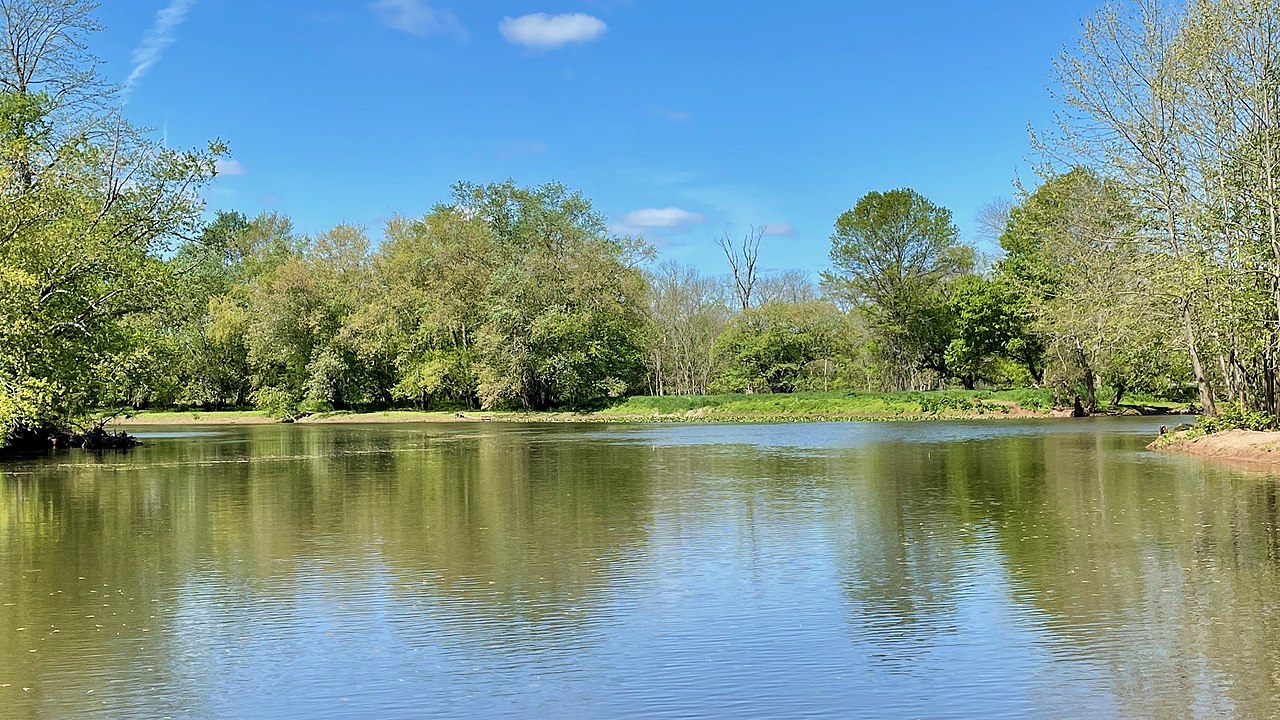


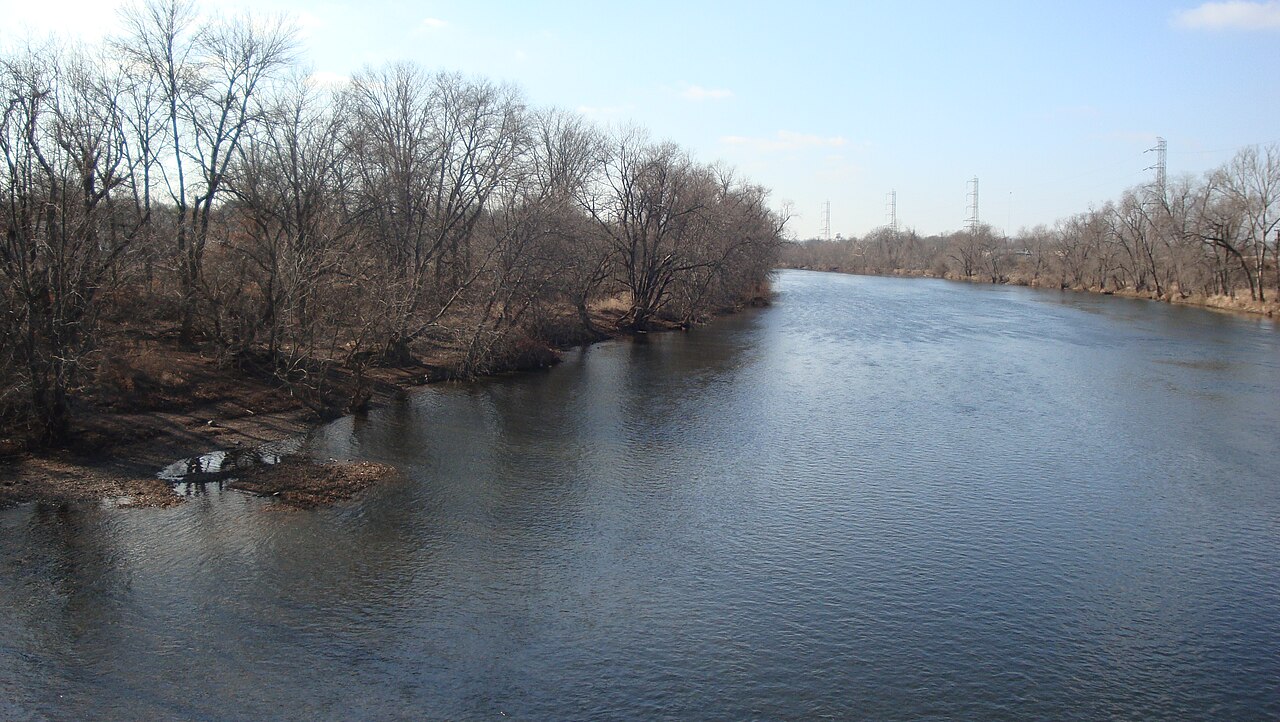
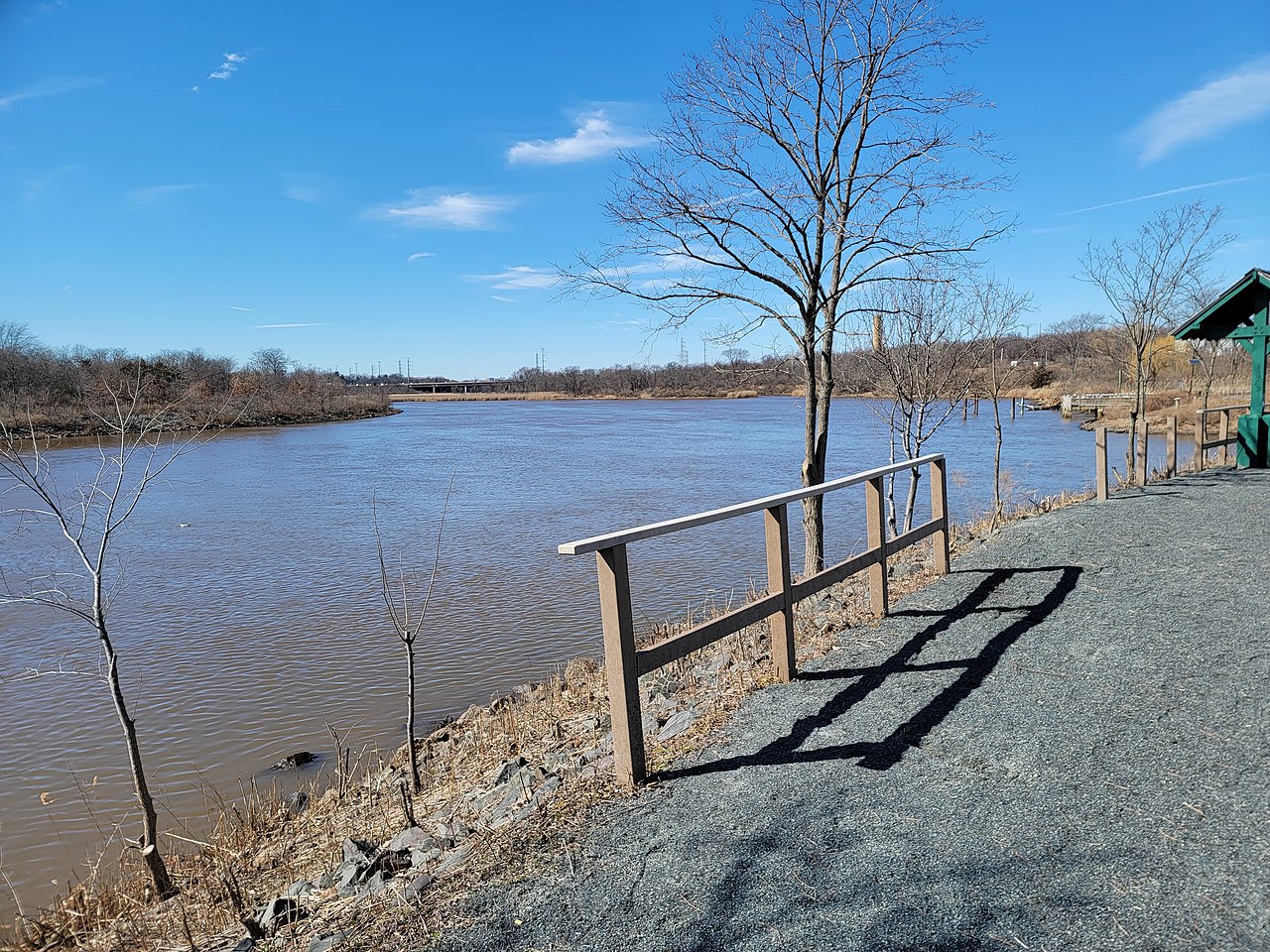

Physical characteristics
The Raritan is formed by the confluence of northern and southern headwaters and receives several tributaries as it travels toward the bay. Lower reaches become tidal for many miles, creating an estuarine environment where freshwater mixes with seawater. The basin includes reservoirs, wetlands and floodplains that influence local hydrology and habitat.
History and development
Indigenous peoples lived along the river for centuries before European settlement. From the colonial era through the 19th century the Raritan served transportation, milling and industrial needs for nearby towns. Over time bridges, rail lines and urban growth changed the river corridor and shaped the economies of communities along its banks.
Uses and importance
- Water supply and regional watershed functions for municipalities.
- Recreation including boating, fishing and riverside parks used by residents and visitors.
- Scientific and educational value: the river and estuary are studied for ecology, water quality and coastal processes.
Environmental issues and restoration
Industrial activity, stormwater runoff and sewage discharges historically impacted water quality and habitats. In recent decades state agencies, local conservation organizations and community groups have worked on monitoring, cleanup and habitat restoration projects to reduce pollution, restore wetlands and improve public access.
Today the Raritan remains a focal point for regional planning: it links inland watersheds to coastal bays, supports biodiversity in tidal and freshwater zones, and continues to play a role in recreation, education and local heritage. For further information consult regional watershed organizations and local environmental resources that track ongoing restoration and stewardship efforts.
Related articles
Author
AlegsaOnline.com Raritan River Leandro Alegsa
URL: https://en.alegsaonline.com/art/81221
Sources
- newjersey.sierraclub.org : "Raritan River"
- nj.usgs.gov : "Summary of Flooding in New Jersey Caused by Hurricane Irene, August 27–30, 2011"