
Rhyolite (high-silica volcanic rock)
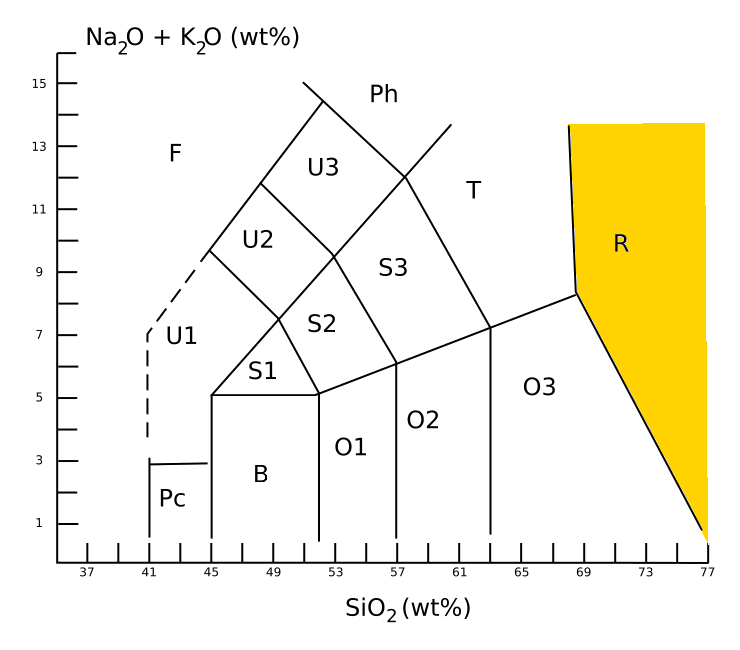
Rhyolite is a light‑colored, fine‑grained volcanic rock with very high silica content. It is the extrusive equivalent of granite and commonly forms in explosive eruptions and lava domes.
Rhyolite is a fine‑grained, silica‑rich volcanic rock that represents the extrusive counterpart of granite. It typically appears light in color—white, pink, or light gray—and ranges from glassy to aphanitic (very fine grained). Because of its high silica content, rhyolitic magmas are viscous and commonly produce explosive eruptions, pumice, obsidian and welded tuffs.
Image gallery
7 Images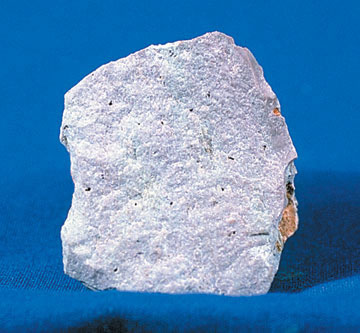



Composition and texture
Mineralogically, rhyolite is dominated by quartz and alkali feldspar, often with minor plagioclase and biotite. Textures vary: many rhyolites are porphyritic, containing larger phenocrysts set in a fine groundmass; others are glassy (obsidian) or vesicular (pumice). These variations reflect differences in cooling rate, volatile content and eruption style.
Formation and volcanic behavior
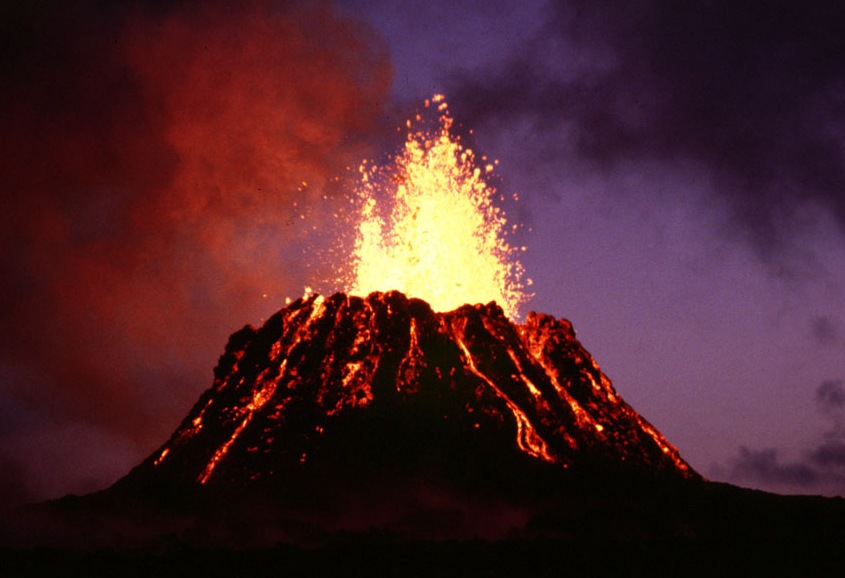
Rhyolitic magma forms when silica‑rich melts evolve through fractional crystallization, crustal melting, or magma mixing. High viscosity and gas content make rhyolitic eruptions prone to explosive behavior; they often build lava domes, generate pyroclastic flows and create extensive ignimbrite sheets. Because of these energetic eruptions, rhyolite is important for understanding volcanic hazards.
Occurrence and geological settings
Rhyolite occurs in continental volcanic arcs, large caldera systems and continental rift zones. It is commonly associated with caldera complexes and large silicic provinces. Rhyolitic rocks also yield volcanic glass such as obsidian and light, frothy pumice used historically by humans for cutting and abrasives.
- Typical traits: high silica, light color, porphyritic or glassy texture.
- Common products: obsidian, pumice, welded tuff and ignimbrite.
- Hazards: explosive eruptions, pyroclastic flows and ash fall.
Geologically and historically notable, the term rhyolite was introduced in the 19th century by German geologist Ferdinand von Richthofen. In descriptive texts and field guides, rhyolite is often grouped with other igneous rocks to contrast extrusive and intrusive bodies and to illustrate how magma chemistry controls eruption style.
Related articles
Author
AlegsaOnline.com Rhyolite (high-silica volcanic rock) Leandro Alegsa
URL: https://en.alegsaonline.com/art/82556