
National Weather Service (United States)
The National Weather Service (NWS) is the U.S. government agency that provides weather, hydrologic and climate forecasts and warnings to protect life and property. Overview, structure, products, and history.
Overview
The National Weather Service (NWS) is a federal agency responsible for providing weather, hydrologic and climate information across the United States, its territories and adjacent waters. It operates as one of the country's science organizations within the larger National Oceanic and Atmospheric Administration, with much of its public forecasting and warning material available without restriction. The NWS issues routine forecasts, watches, warnings and advisories intended to reduce risk and support economic activity.
Image gallery
10 Images



Organization and operations
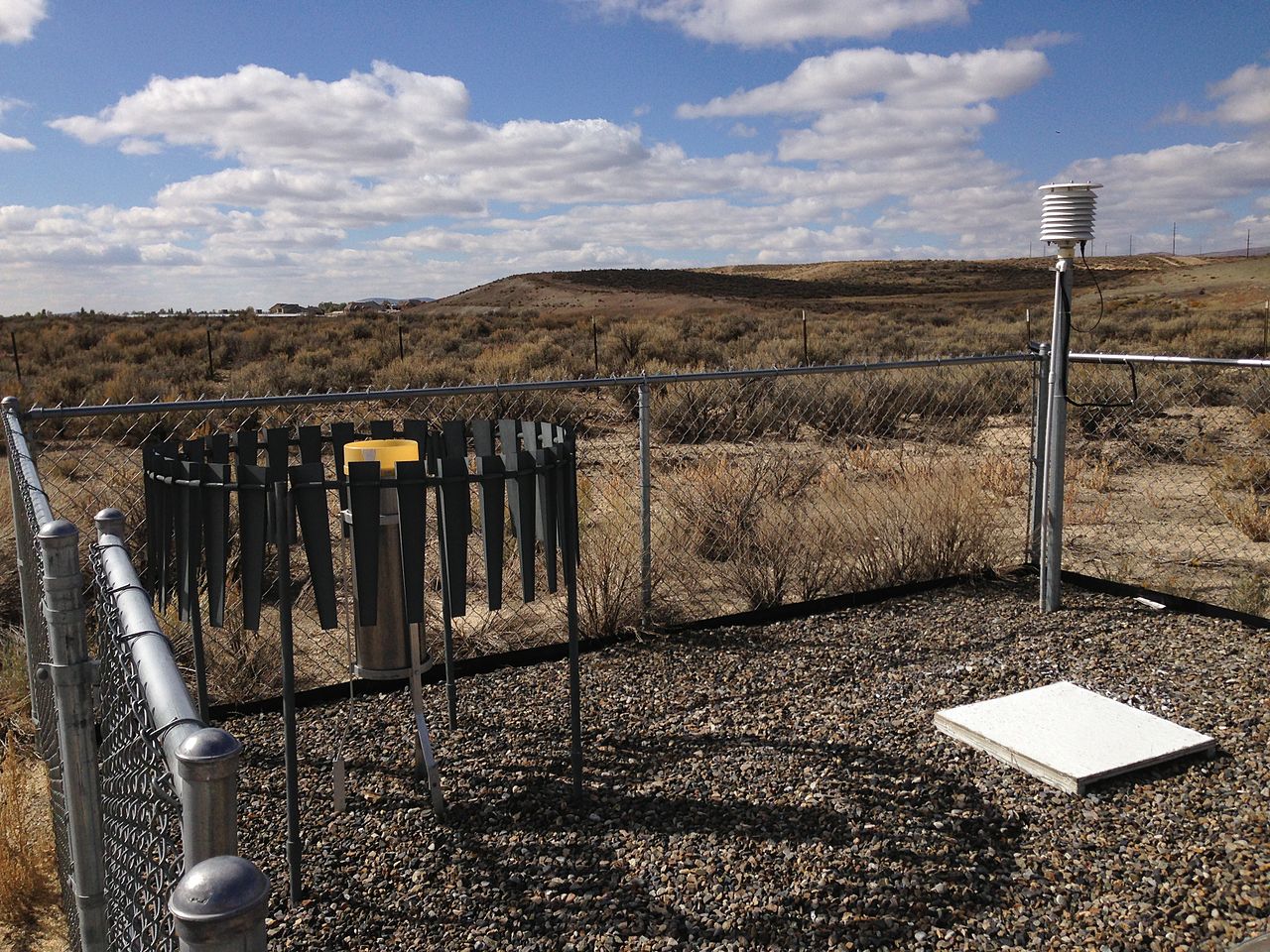
The NWS is organized into a network of national and regional centers plus a widespread system of local Weather Forecast Offices (WFOs). These offices monitor observations from satellites, radars, surface stations and other instruments, run numerical forecast models, and combine automated output with human expertise to produce forecasts. The agency is commonly described as one of the six scientific agencies that belong to NOAA; it works alongside other components on marine, atmospheric and climate matters. The NWS is a part of the federal government structure and coordinates with state and local emergency managers.
Major centers and components
- Local Weather Forecast Offices (WFOs) providing city- and county-level forecasts and warnings.
- Regional and national prediction centers covering severe weather, tropical cyclones, aviation and hydrology.
- Specialized branches for climate services, observational networks and forecast model support.
These elements work together to translate observations and computer model guidance into actionable products for the public, government agencies and private sectors.
Services, products and access
The NWS produces a wide range of outputs: short- and long-range forecasts, river and flood forecasts, severe thunderstorm and tornado warnings, hurricane outlooks and climate summaries. Bulletins and alerts are distributed by radio, broadcast media, web and direct feeds used by emergency managers, transportation operators and businesses. Because it is an agency within NOAA — the National Oceanic and Atmospheric Administration — the NWS often shares data and tools with other federal and state partners. Public-facing text, graphical products and many datasets are placed in the public domain, allowing reuse by developers and media.
History and development
The U.S. federal weather service traces its roots to 19th-century efforts to coordinate observations and forecasts, evolving through several organizational changes into today’s NWS. When NOAA was organized, the weather service became the nation’s central provider of operational meteorology, gradually incorporating satellite remote sensing, Doppler radar and numerical weather prediction into routine forecasts. The agency continues to advance forecasting techniques while remaining focused on timely warnings and public safety.
Uses, partnerships and notable facts
Forecasts and warnings from the NWS are essential for public safety, aviation, marine operations, agriculture and infrastructure planning. The service partners with universities, state climatologists and private weather enterprises to improve products and research. For additional context about the agency’s role among federal entities, see references to related component agencies and how the service fits into broader federal science programs. For policy, oversight or historical background consult official sources or government publications.
Related articles
Author
AlegsaOnline.com National Weather Service (United States) Leandro Alegsa
URL: https://en.alegsaonline.com/art/68723
Sources
- weather.gov : "History of the National Weather Service"
- archives.gov : "Guide to Federal Records: Records of the Weather Bureau"
- weather.gov : "About NOAA's National Weather Service"
- corporateservices.noaa.gov : "FY 2017 Budget Summary"