
Easter Island (Rapa Nui): remote Polynesian island and home of the moai
Easter Island (Rapa Nui) is a remote Polynesian island in the southeastern Pacific, known for its monumental moai statues, unique ecology, archaeological heritage, and status as a UNESCO World Heritage Site.
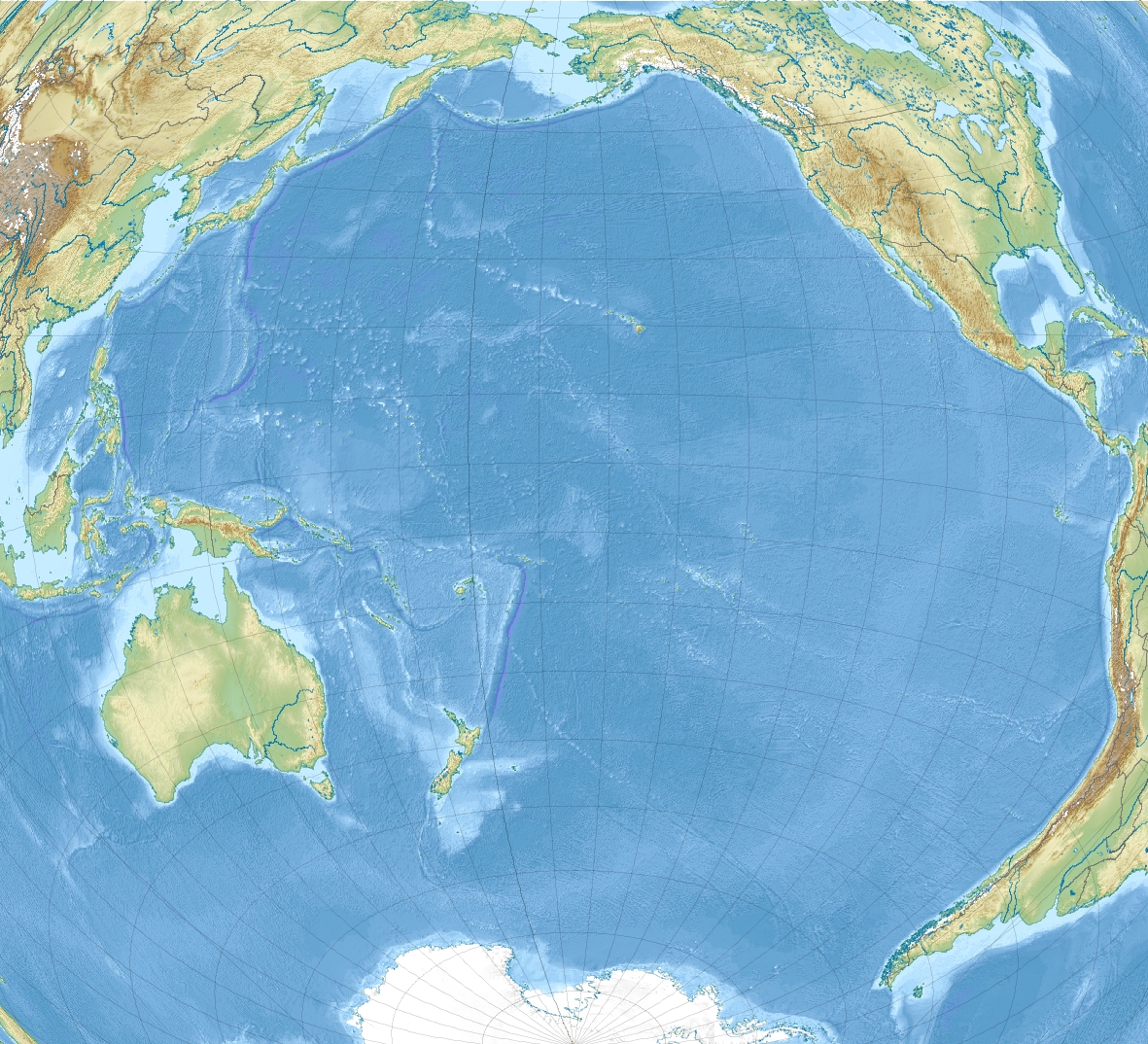
Easter Island, known in the local language as Rapa Nui, is a small and remote Polynesian island situated in the southeastern Pacific Ocean. Its only town and administrative center is Hanga Roa. The island attracts attention worldwide for its monumental carved stone figures, dramatic volcanic landscape, and a layered history of settlement, environmental change, and cultural resilience.
Image gallery
10 Images




Geography and natural features
The island is volcanic in origin and shaped by several extinct volcanic cones. One of the most prominent is Rano Kau, a large crater at the island's southwestern rim that contains a freshwater lake and fertile slopes. Fresh water is scarce overall: only a few small lakes and a thin freshwater lens beneath the ground provide potable supplies. Much of the land is exposed to wind and sea spray, and the native vegetation has been heavily altered since human arrival, partly through the impact of introduced animals and agricultural practices.
Moai and archaeological significance
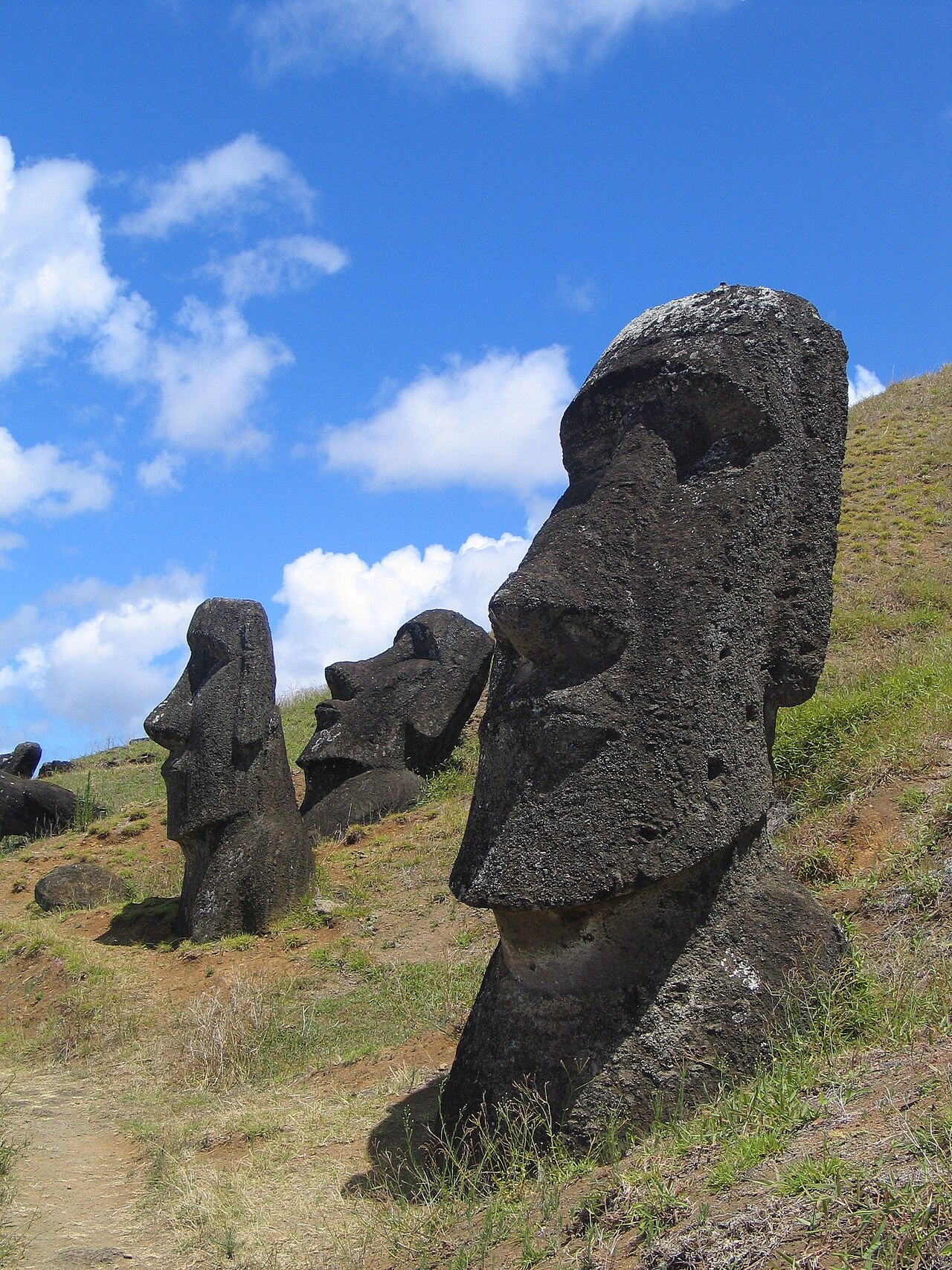
Easter Island is world famous for its moai, the monumental carved figures created by the island's early inhabitants. There are roughly nine hundred statues — most catalogs list about 887 — carved from volcanic tuff and other local stone. The moai vary in size and finish: some stand on ceremonial stone platforms (ahu), others remain in quarries or along roads. Archaeologists study their production, transportation, and social meaning to understand how a relatively small community executed large, coordinated construction projects. The island's archaeological sites are protected within Rapa Nui National Park and recognized internationally.
People, language and culture
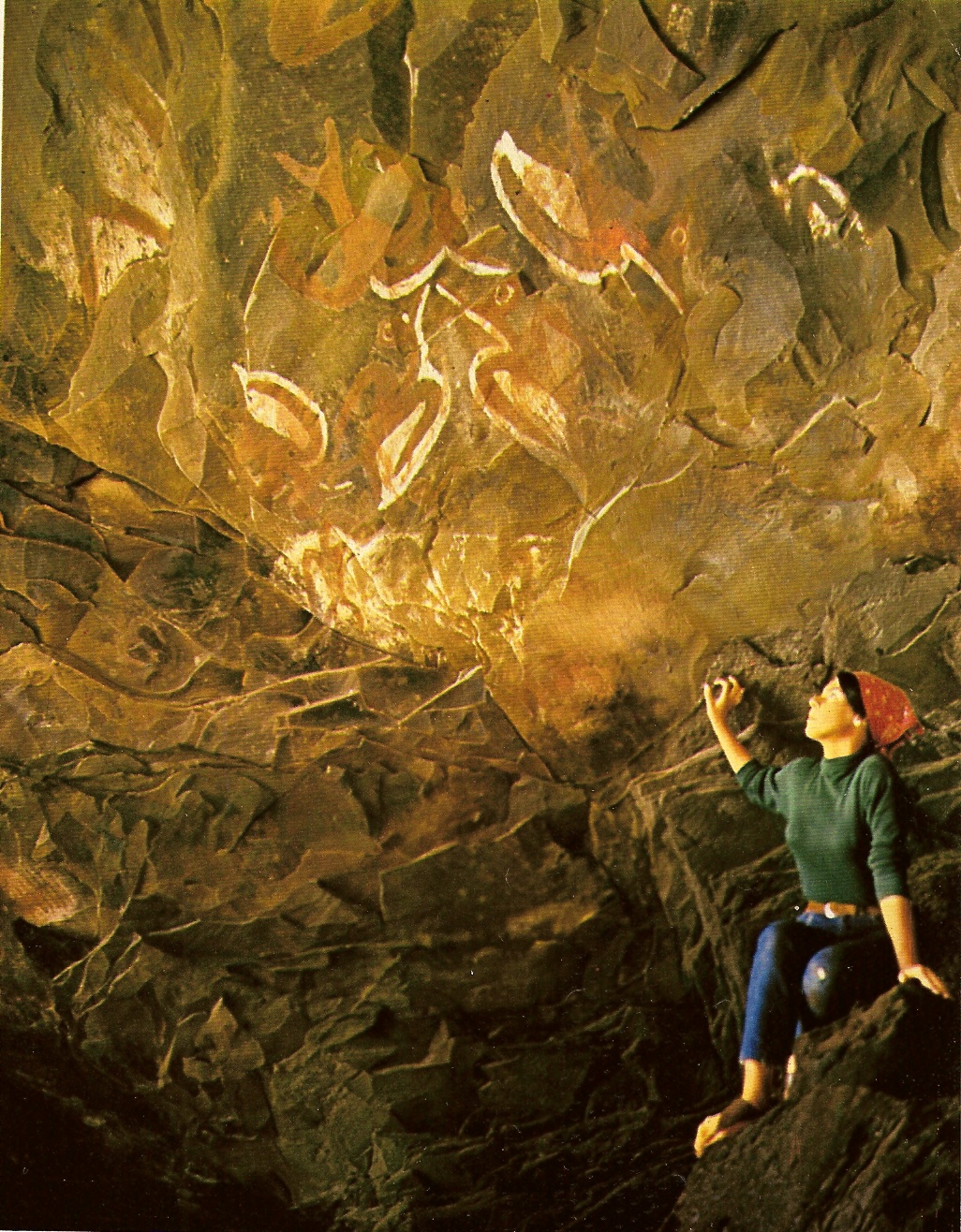
The indigenous people, known as the Rapa Nui, speak a Polynesian language still used alongside Spanish. Traditional life combined horticulture, fishing and ritual activities centered around ancestor veneration, of which the moai are a prominent expression. Oral histories, petroglyphs and later recorded accounts document a rich set of customs, ceremonial sites, clan structures and navigation knowledge typical of eastern Polynesian cultures.
History: settlement, contact, and change
Polynesian voyagers settled the island well over a thousand years ago; archaeological estimates commonly place initial settlement around the late first millennium to early second millennium CE, though exact dates remain refined by new research. European contact began on Easter Sunday in 1722, which is how the island acquired its English name. In the 19th century the local population suffered severe declines due to introduced diseases and the effects of slave raiding, while introduced species — first rats and later livestock such as sheep — contributed to loss of native plant cover and altered soils. These combined pressures transformed the island's environment and society.
Conservation, tourism and contemporary life
Today Easter Island is administered by Chile and is listed by UNESCO as a World Heritage Site, recognizing both its cultural landscapes and archaeological importance. Conservation efforts focus on protecting moai, restoring vegetation, managing freshwater resources and supporting local cultural revival. Tourism is a major part of the economy, drawing visitors interested in archaeology, culture and the island's striking scenery, which has created both opportunities and challenges for sustainable management.
Notable facts and distinctions
- Remote location: the island is one of the most isolated inhabited places on Earth, far from continental landmasses.
- Monumental art: the moai are among the most famous examples of large-scale prehistoric statuary.
- Ecological change: the island's landscape reflects a long interaction between people and environment, including the impacts of introduced animals.
- Protected heritage: many sites are within Rapa Nui National Park and receive international attention and research.
Researchers, local communities and visitors continue to study and engage with Easter Island's past and present. For more introduction and official resources see local cultural centers and conservation programs, as well as general overviews available through regional authorities and UNESCO-linked materials (Polynesian context, oceanic setting, and archaeological publications on the moai statues and Rapa Nui society).
Questions and answers
Q: Where is Easter Island located?
A: Easter Island is located in the southeastern Pacific Ocean.
Q: What is the capital city of Easter Island?
A: The capital city of Easter Island is Hanga Roa.
Q: What are the huge statues called that Easter Island is famous for?
A: Easter Island is famous for its 887 huge statues called Moai.
Q: Who made the Moai?
A: The Moai were made by the early Rapa Nui people.
Q: What is the name of the huge crater at the edge of Easter Island?
A: The huge crater at the edge of Easter Island is called Rano Kau.
Q: What is protected in the Rapa Nui National Park?
A: Much of the island is protected in the Rapa Nui National Park.
Q: What devastated the population of Easter Island in the 1800s?
A: The introduction of diseases carried by European colonizers and slave raiding devastated the population of Easter Island in the 1800s.
Related articles
Author
AlegsaOnline.com Easter Island (Rapa Nui): remote Polynesian island and home of the moai Leandro Alegsa
URL: https://en.alegsaonline.com/art/29728
Sources
- commons.wikimedia.org : Easter Island
- resultados.censo2017.cl : "Censo 2017"
- ine.cl : "Censo de Población y Vivienda 2002" · web.archive.org