
Ranger Uranium Mine — site, history, and controversies
Ranger Uranium Mine in the Alligator Rivers region lies inside Kakadu National Park. A large uranium deposit, it has been mined, regulated, and contested for environmental and cultural reasons and subject to rehabilitation.
The Ranger Uranium Mine is a major uranium deposit located in the Alligator Rivers region of Arnhem Land in the Northern Territory, Australia. The operation sits within the boundaries of Kakadu National Park and has long attracted attention because it combines a significant mineral resource with a protected landscape and living Indigenous cultural places. The ore recovered from the site is processed and exported; the resource itself is subject to Australian mining and environmental law and agreements with traditional owners. See more on uranium deposits and the mine’s context in Kakadu National Park.
Image gallery
4 Images
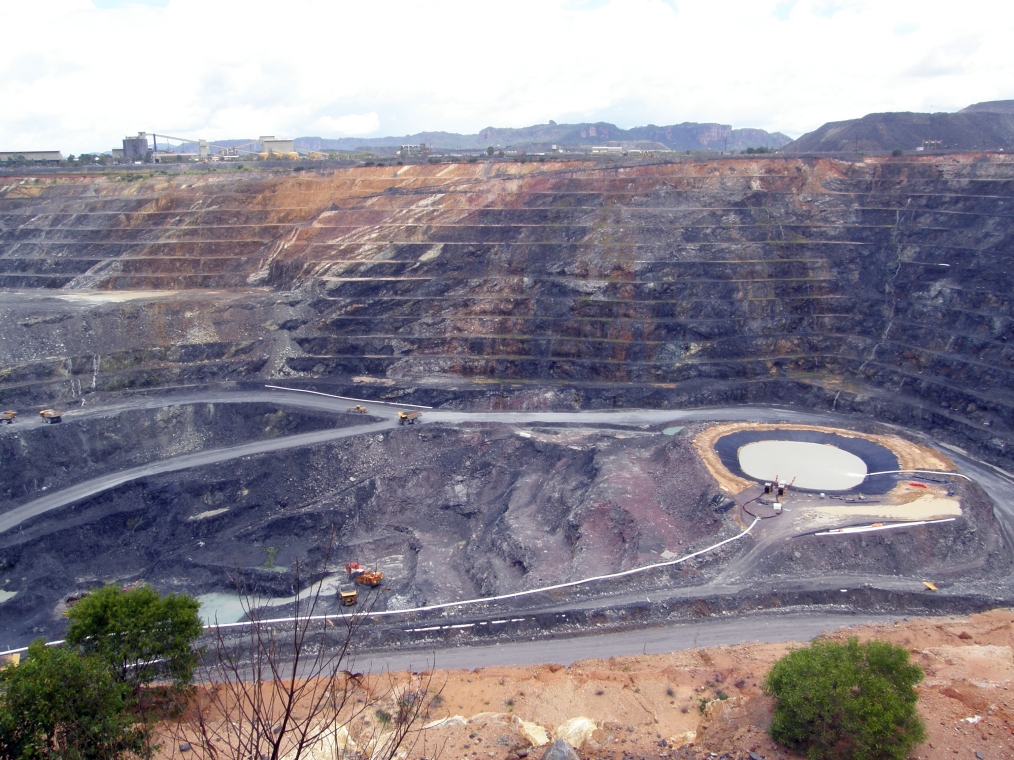


Characteristics and infrastructure
Ranger was developed as an open-cut operation to access near-surface uranium-bearing ore bodies. Typical elements of the site included the open pits, processing plant, tailings storage and water management facilities, and access roads and services. Operations required continuous monitoring for radioactivity, water quality and dust, and implemented specialised containment and rehabilitation measures to reduce environmental risks. The mine is frequently cited as an example of the technical and regulatory challenges of extracting radioactive ore near protected areas.
History and development
Exploration and development of the Ranger deposit began when uranium exploration expanded in the mid-20th century across northern Australia. The mine was developed under commercial arrangements between mining companies, government regulators and the local Indigenous landowners. Over its operating life the site has been subject to licensing, periodic reviews, and evolving environmental standards that shaped both extraction practices and closure planning.
Environmental, cultural and political issues
Because the mine lies inside a World Heritage-listed park noted for both natural and cultural values, Ranger has been at the centre of sustained debate. Traditional owners, conservation groups, industry and governments have disagreed about access, compensation, the adequacy of monitoring, and the risks posed by tailings and groundwater. Public concerns reflect wider debates about nuclear power and uranium mining, including potential long-term impacts on ecosystems and cultural sites.
Uses, significance and current status
Uranium produced at Ranger has been used primarily for the civilian nuclear fuel market and for research and medical isotope production abroad. The mine has played a role in regional employment and infrastructure while also prompting obligations for mine closure and environmental rehabilitation. Current and future activity at the site is governed by regulatory approvals, rehabilitation commitments, and continuing consultation with the traditional owners and stakeholders.
Notable distinctions
- Kakadu’s dual World Heritage listing for both cultural and natural values makes any industrial activity in the park particularly sensitive.
- Ranger illustrates the competing priorities of resource development, environmental protection and Indigenous rights.
- The site remains a frequently cited case in discussions of how radioactive-mineral mining can be managed near protected and culturally significant landscapes.
Related articles
Author
AlegsaOnline.com Ranger Uranium Mine — site, history, and controversies Leandro Alegsa
URL: https://en.alegsaonline.com/art/81139
Sources
- goldmanprize.org : Goldman Environmental Prize