
Anti‑nuclear movement
Social and political movement opposing civil and military uses of nuclear technology, focused on safety, waste, proliferation, environmental and economic concerns.
Overview
The anti‑nuclear movement is a broad social and political movement that opposes aspects of nuclear technology, most visibly the use of nuclear power to generate electricity. Participants range from local community groups to international networks and often include scientists, environmentalists, and civic activists. Objections typically focus on safety, long‑term waste management, environmental damage from mining and reprocessing, and links to military nuclear weapons programs.
Image gallery
10 Images

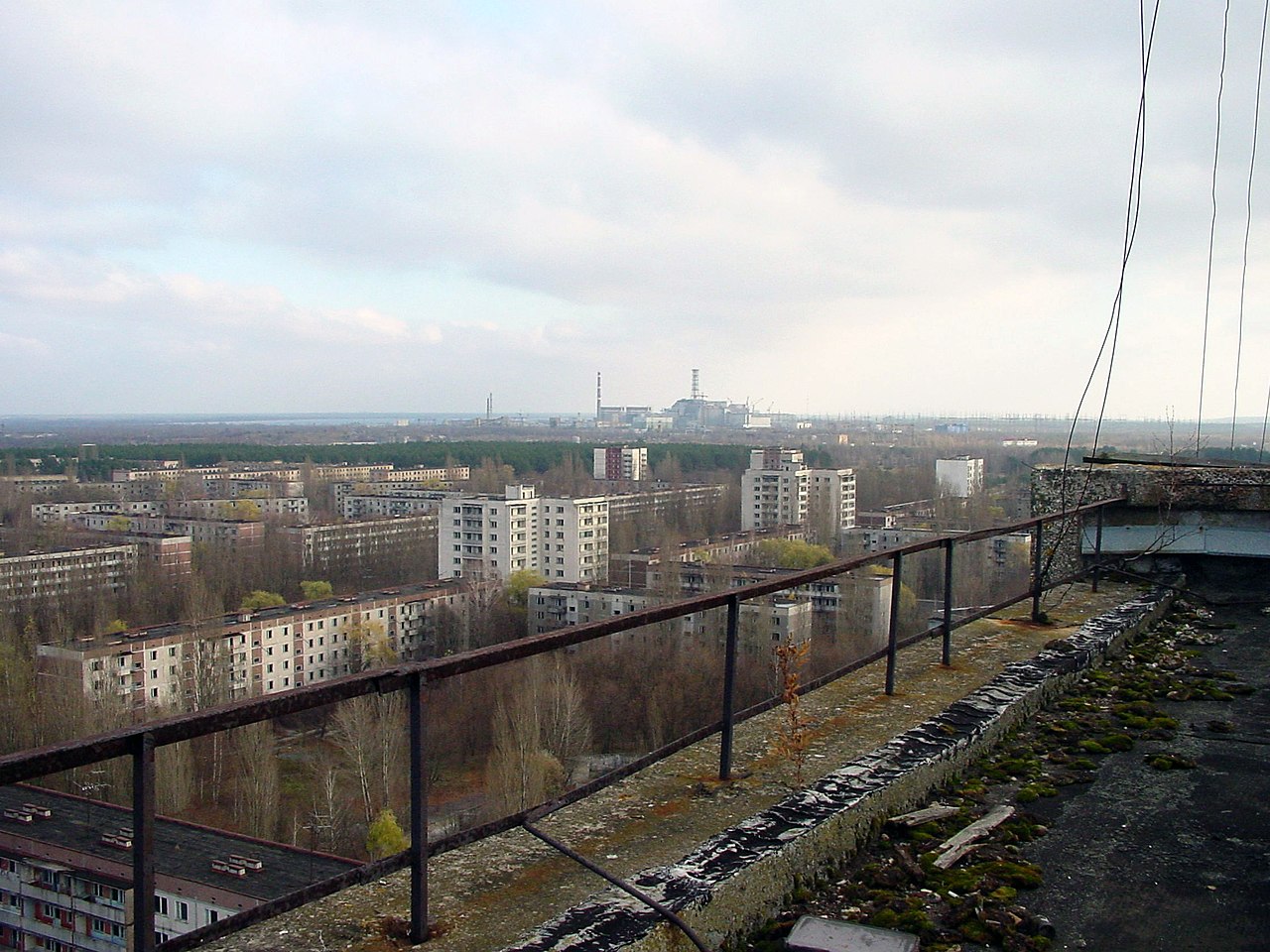


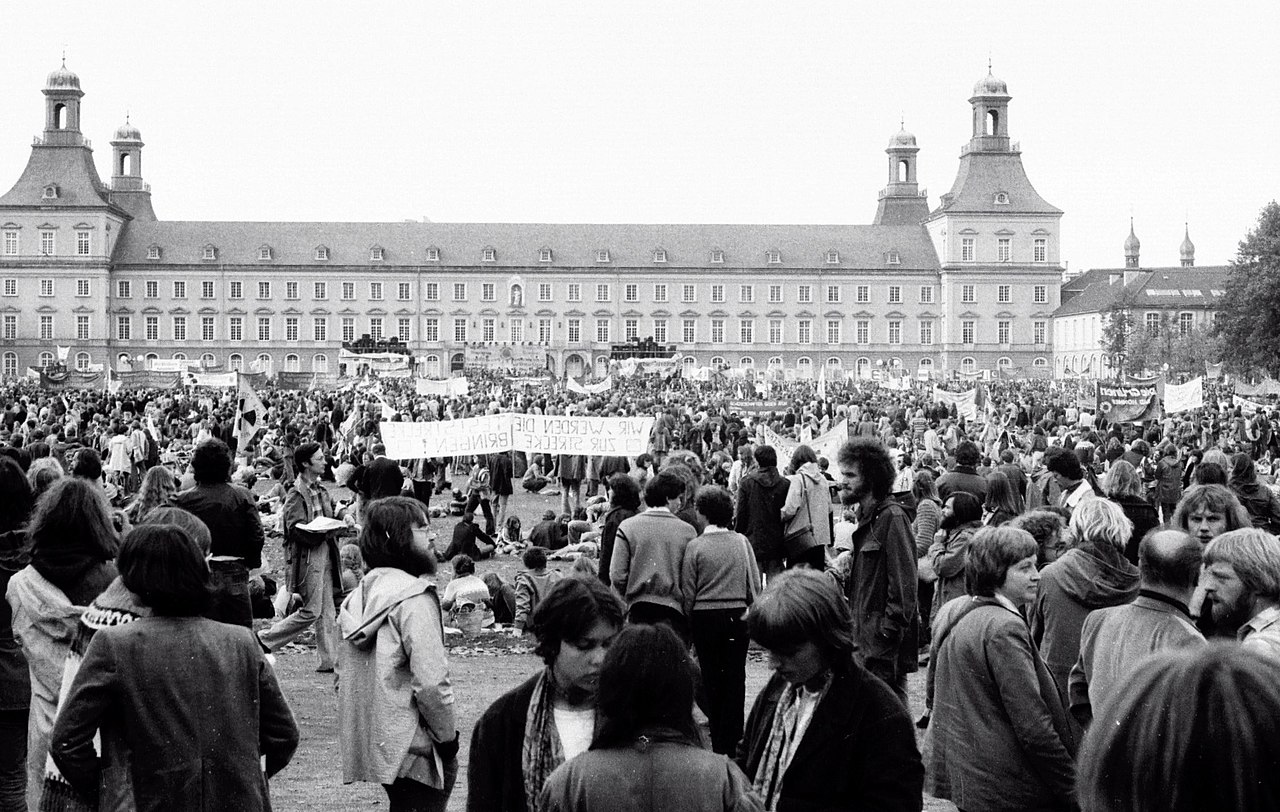


Main concerns and arguments
Critics raise several recurring points against civilian nuclear programmes. Common concerns include:
- Accident risk — high‑profile incidents can have long‑lasting social and environmental effects. Many opponents argue that even low probabilities of catastrophic failure are unacceptable; see discussions of nuclear accidents.
- Radioactive waste — spent fuel and other wastes remain hazardous for long periods, creating questions about safe storage and disposal; see radioactive waste.
- Resource and environmental impacts — activities such as uranium mining and fuel reprocessing can harm ecosystems and local communities.
- Proliferation and security — civilian programmes can be linked to weapons development or attractive targets in conflict.
- Economic and opportunity costs — opponents often argue that investments in nuclear power divert funds from renewable energy and efficiency.
History and notable events
The modern anti‑nuclear movement grew in the 1960s and 1970s alongside environmental activism. Mass protests and organized campaigns intensified after several major accidents, including incidents that shaped public opinion in different countries. The 2011 Japanese nuclear accidents — commonly discussed in relation to the movement — stimulated renewed scrutiny of nuclear policy worldwide; see 2011 Japanese nuclear accidents. Earlier events that influenced the movement include industrial and reactor incidents as well as debates over nuclear weapons testing and waste sites.
Methods, organisations and impact
Activists use a mix of tactics: public demonstrations, legal challenges, research and reporting, community organizing, and political lobbying. Prominent environmental and civic groups have campaigned for plant closures, stricter regulation, or shifts to alternative energy. These efforts have shaped policy in several countries, leading to moratoriums, phase‑outs, or strengthened safety regimes in some jurisdictions.
Distinctions and contemporary debates
Not all critics advocate the same responses. Some call for the complete abolition of nuclear energy, while others accept limited use under stricter safety and non‑proliferation conditions. Discussions also intersect with climate policy: some proponents of rapid decarbonisation argue for retaining or expanding nuclear plants as low‑carbon baseload sources, while many anti‑nuclear advocates prioritize renewables and efficiency. For general information about commercial power generation, see nuclear power.
For background on technical and regulatory aspects, readers may consult specialist sources and institutional reports; actions and positions vary widely by country and community, reflecting different histories, legal frameworks, and public attitudes.
Radioactive waste and uranium mining remain recurring topics in community consultations and environmental impact reviews. Ongoing debate balances concerns about safety and long‑term stewardship against arguments about reliability and climate goals.
Note: This article summarizes broad themes and does not endorse specific policy choices. For more detailed historical accounts, case studies and technical evaluations consult targeted literature and official regulatory reports.
Questions and answers
Q: What is the main reason why people are anti-nuclear?
A: People who are anti-nuclear are generally against the use of nuclear power for electricity generation because they think it is dangerous and the risk of a nuclear accident is unacceptable.
Q: What do many people see as bad when it comes to uranium mining and nuclear reprocessing?
A: Many people see uranium mining and nuclear reprocessing as bad due to the environmental risks associated with these activities.
Q: How did the 2011 Japanese nuclear accidents affect public opinion?
A: The 2011 Japanese nuclear accidents revived anti-nuclear passions worldwide, putting governments on the defensive and undermining the nuclear power industry's recent renaissance.
Q: Are there any other risks associated with nuclear power that make people oppose its use?
A: Yes, in addition to the risk of a nuclear accident, many people also believe that radioactive waste cannot be disposed of safely which further contributes to their opposition towards using nuclear power.
Q: Is there any way to make sure that radioactive waste can be disposed of safely?
A: To ensure that radioactive waste can be disposed of safely, governments must invest in research and development into new technologies for safe disposal or storage. Additionally, regulations should be put in place to ensure proper safety protocols are followed during disposal processes.
Q: Are there any benefits associated with using Nuclear Power?
A: Yes, despite its risks, Nuclear Power has several advantages over traditional sources of energy such as coal or oil. It produces fewer greenhouse gases than traditional sources while providing reliable baseload electricity at a low cost. Additionally, it does not require large amounts land like solar or wind energy do which makes it more suitable for densely populated areas where land is scarce.
Related articles
Author
AlegsaOnline.com Anti‑nuclear movement Leandro Alegsa
URL: https://en.alegsaonline.com/art/4616
Sources
- articles.sfgate.com : "Japan crisis rouses anti-nuclear passions globally"
- energyblueprint.info : Energy Revolution: A Sustainable World Energy Outlook
- books.google.com : Social Protest and Policy Change: Ecology, Antinuclear, and Peace Movements in Comparative Perspective
- guardian.co.uk : New generation of nuclear power stations 'risk terrorist anarchy'
- jacksonsun.com : Alexander vision for new nuclear plants faces many obstacles
- time.com : The Worst Nuclear Disasters
- world-nuclear.org : "Radioactive Waste Management"
- uk.reuters.com : ""Nuclear power rebirth revives waste debate""
- sciam.com : ""A Nuclear Power Renaissance?""
- sciam.com : "Nuclear Fuel Recycling: More Trouble Than It's Worth"
- greeninc.blogs.nytimes.com : Is the Nuclear Renaissance Fizzling?
- iea.org : Renewables in global energy supply: An IEA facts sheet (PDF)
- news.bbc.co.uk : China to buy Australian uranium