
Quartzite: formation, properties, colors, and common uses
Quartzite is a hard, non-foliated metamorphic rock produced from sandstone; prized for durability, varied colours from mineral impurities, and use as dimension stone, aggregate, and decorative stone.
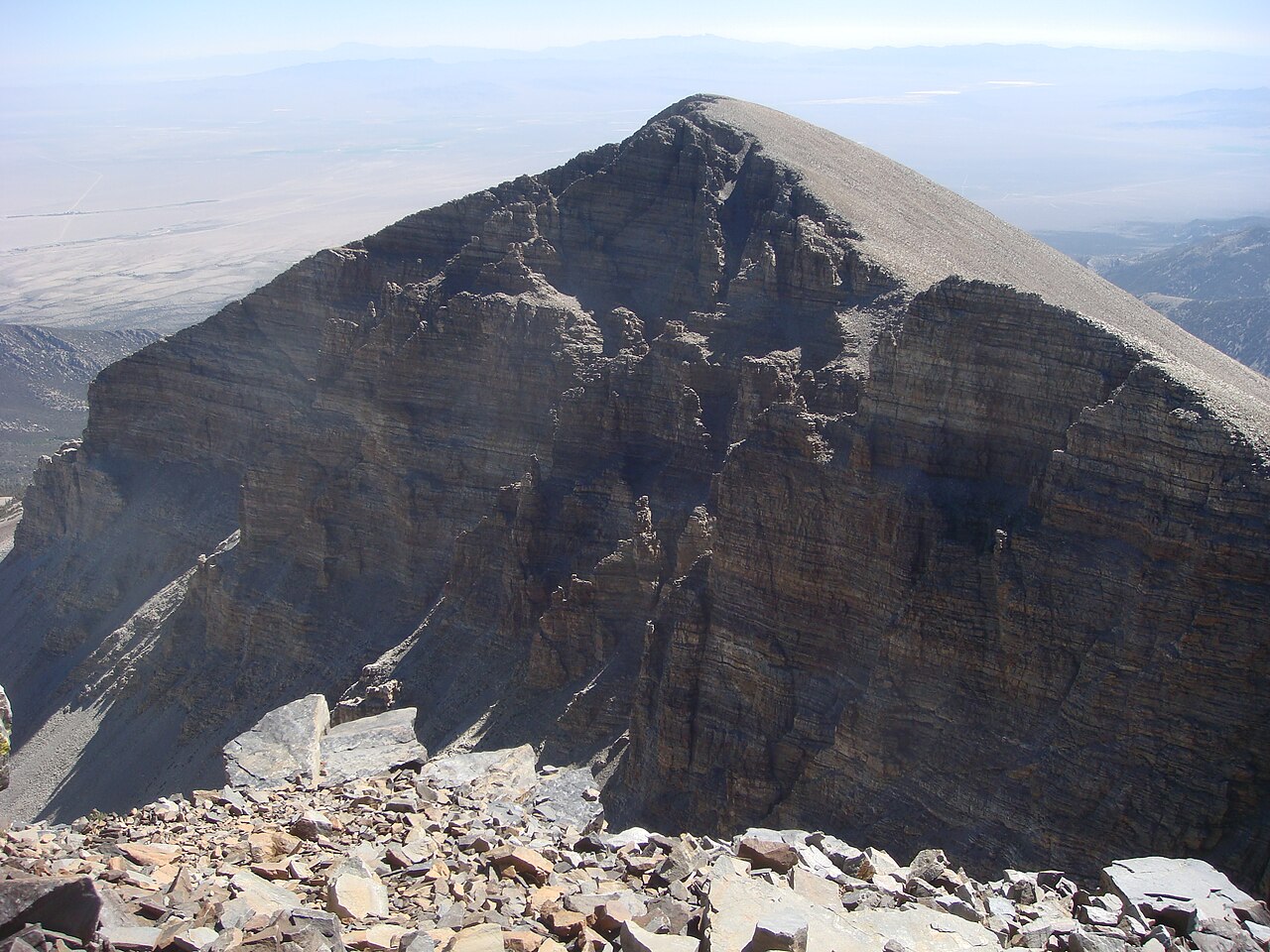
Quartzite is a durable, coarse-grained metamorphic rock formed when quartz-rich sandstone is subjected to heat and pressure. As a rock type it is commonly described as a consolidated metamorphic rock, produced when original sandstone is buried and compressed during mountain-building events such as a chain of mountains. The process converts loose sand-sized quartz grains into an interlocked mass that resists weathering and mechanical breakage.
Image gallery
10 Images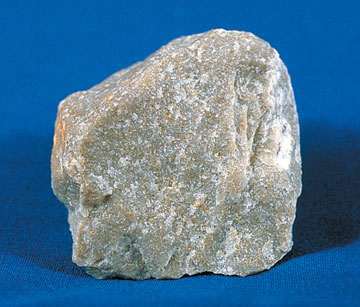




Key characteristics
Quartzite is typically hard and has a glassy to sugary appearance. In many cases it is non-foliated, meaning it does not display the layered cleavage typical of schist or slate. The rock’s color and texture depend on trace minerals and the degree of recrystallization: pure material tends to be white, while the presence of oxides and other minerals produces a range of hues. The transformation involves the recrystallization of individual quartz grains, which weld together and often eliminate the original sandstone texture.
Formation and metamorphic processes
Conversion of sandstone to quartzite occurs during regional metamorphism associated with orogenic (mountain-building) events. The combined effects of elevated temperature, directed pressure and fluid movement mobilize minor components such as silica, iron and carbonates. Although much of the sandstone’s structure is destroyed by metamorphism, migrating materials can create streaks and irregular bands. Small amounts of residual cementing phases, carbonate or clay minerals may concentrate and form thin lenses or discontinuous layers within the rock.
Colour and mineral impurities
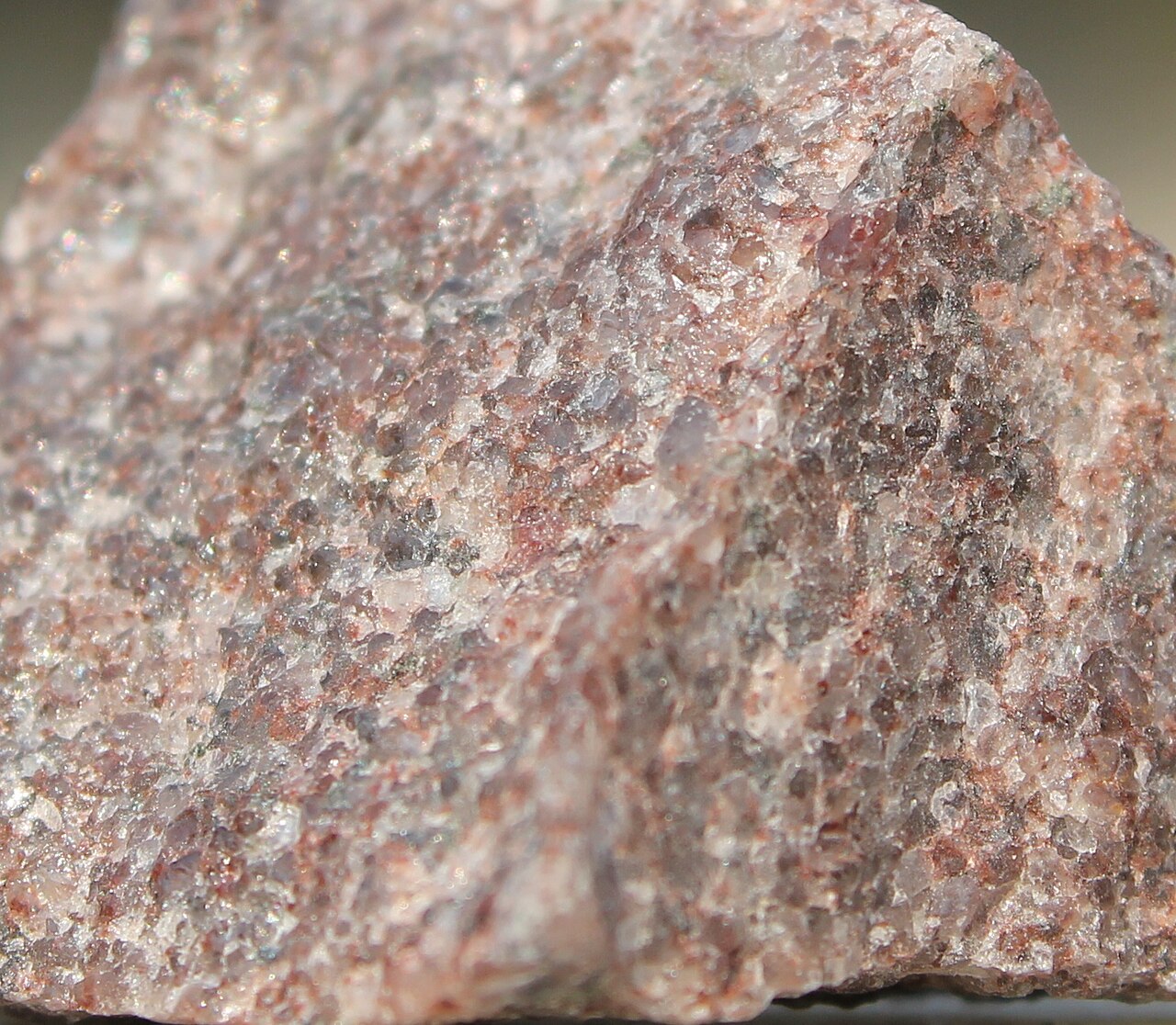
When chemically pure, quartzite appears white or very light-colored. Most natural specimens contain impurities that tint the stone: iron oxides produce pink, red or brown tones — the common explanation for reddish quartzites is the inclusion of iron oxide. Other hues such as yellow, orange or green result from various mineral impurities and alteration products. During metamorphism faint banding or lens-shaped structures of different color can emerge where material migrated.
Uses and significance
Quartzite’s hardness and resistance to abrasion make it valuable in construction and landscaping. Common uses include crushed stone and aggregate for roads and rail ballast, dimension stone for facades and paving, and polished slabs used as countertops and decorative elements. Because it is less porous than many sandstones, properly finished quartzite can be long-lasting outdoors and in high-traffic interiors.
Distinctions and practical notes
Quartzite is often confused with quartz-rich sandstone and with engineered materials (such as quartz surfacing). A simple field distinction is that quartzite will commonly give a conchoidal fracture and be very hard to scratch, whereas sandstone breaks along grain boundaries. Geologically, quartzite records conditions of burial and tectonic stress and therefore helps reconstruct episodes of mountain formation and regional metamorphism.
Related articles
Author
AlegsaOnline.com Quartzite: formation, properties, colors, and common uses Leandro Alegsa
URL: https://en.alegsaonline.com/art/80412
Sources
- mii.org : "Quartzite"